Is Magic Bullet a Good Blender? What It Does Well
A Magic Bullet is a good blender for small, fast jobs like smoothies, sauces, and single servings, but it isn’t the right machine for crushing ice in volume, making hot soup, or blending large batches for a family. If your counter space is tight and you mostly blend one drink at a time, it earns its place. If you want to replace a full-size blender, it usually will not.
Key Takeaways
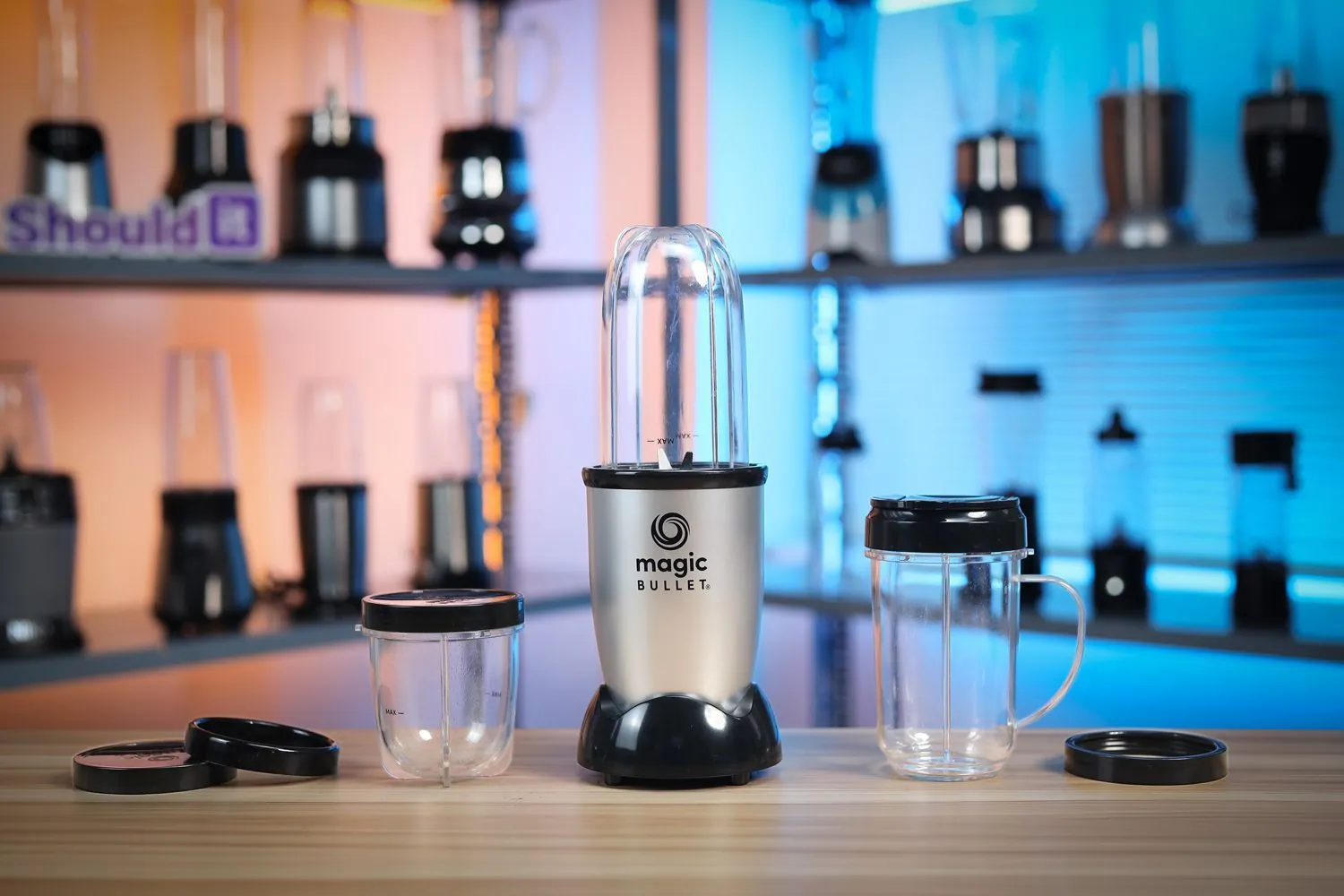
- Buy it for single servings. The Magic Bullet’s cups hold roughly 12 to 24 ounces depending on the model, which suits one smoothie or one sauce, not a family batch.
- Skip it for ice and frozen fruit. The motor is small — typically 250 to 400 watts on the classic models — so hard, frozen ingredients stall it or leave chunks.
- Expect to replace it, not repair it. These are budget appliances, typically $30 to $100, and parts like the blade assembly wear out or get lost.
- Check the warranty before buying. NutriBullet-branded models generally carry a limited warranty; generic “Magic Bullet” clones often carry none or a very short one.
- It’s a personal blender, not a full-size blender. If you need 48+ ounces, hot liquids, or dough, buy a full-size machine instead.
- The cup is the bowl. You blend and drink from the same container, which is the whole point — and also the main limitation.
Is Magic Bullet a Good Blender?
For its category, yes. The Magic Bullet created the “personal blender” category, and it still does the one thing it was designed for well: turning a handful of soft-to-medium ingredients into a single drink in under a minute.
The honest framing is that this is a category question, not a brand question. A personal blender is a small appliance with a small motor and a small jar. Judged as a personal blender, the Magic Bullet is a reasonable, inexpensive option. Judged as a blender — the thing you’d use to purée soup or crush a tray of ice — it falls short, and so does every competitor in its class.
So the real question is not “is it good.” It is “is it good for what you actually blend.” That depends on four things: your ingredients, your batch size, your counter space, and your budget. Work through those and the answer becomes obvious.
What the Magic Bullet Actually Does Well
The strengths are real and specific. This is why the product has sold for two decades.
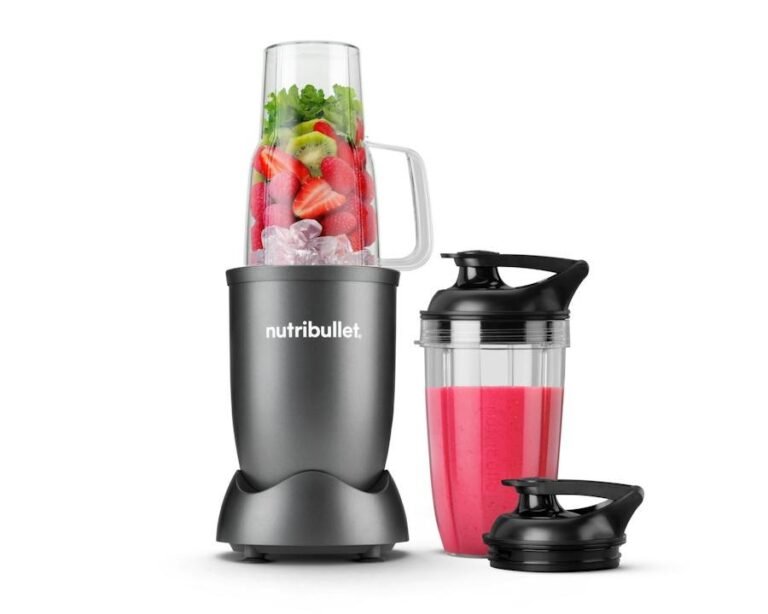
- Single-serve smoothies. A banana, a scoop of protein powder, some yogurt, and milk blend smooth in 20 to 30 seconds.
- Sauces and dressings. Pesto, vinaigrette, tahini sauce, and chimichurri come together fast in small quantities.
- Baby food and purées. Cooked carrots, sweet potato, and squash purée well in small batches.
- Small-batch chopping. Garlic, herbs, nuts, and breadcrumbs for one recipe.
- Shakes and protein drinks. This is arguably its best use case — powder, liquid, ice cream, done.
- Tiny footprint. It takes up roughly the space of a coffee mug on the counter, which matters in small kitchens.
- Blend-and-drink convenience. No pouring into a separate glass, which means one less dish.
Pro Tip: If 80% of what you blend is a single drink with soft ingredients, this machine will feel like a bargain. If 80% of what you blend is frozen or large-batch, it will feel like a waste of money.
Where It Falls Short
The limitations are just as specific, and they’re the reason people leave one-star reviews.
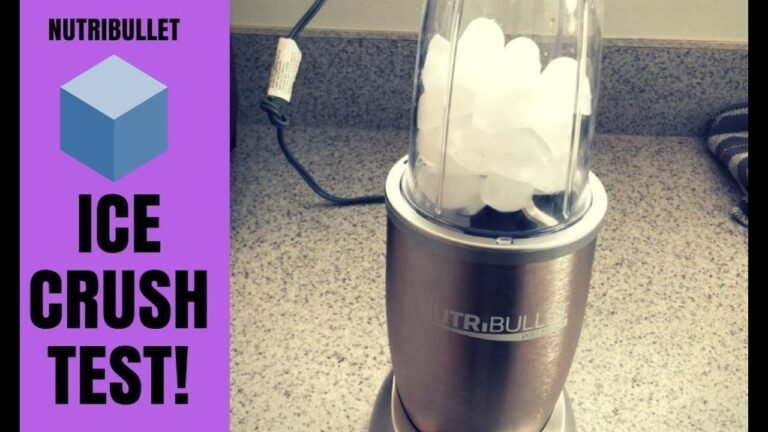
- Ice. Crushing a full cup of ice cubes is a strain. You’ll get snow at the bottom and whole cubes at the top unless you pulse carefully and add liquid.
- Frozen fruit. Large frozen strawberries and mango chunks stall the blade. Thaw slightly or cut smaller.
- Hot liquids. These aren’t designed for hot soup. Blending hot liquid in a sealed cup is a burn and pressure risk, and the plastic cups aren’t built for it.
- Large batches. You can’t make smoothies for four people in one go. You make four smoothies.
- Fibrous greens in volume. Kale and spinach blend fine in small amounts; a packed cup of kale stems will leave strings.
- Dough and thick batters. Not a function. Use a food processor or stand mixer.
- Durability. The plastic tabs on the cups and the blade assembly’s gears are the common failure points, and they fail with normal use over time.
Warning: Never blend hot liquid in a sealed personal blender cup. Steam builds pressure, and the lid can blow off when you open it. Let hot ingredients cool first, and never fill past the max line.
Magic Bullet vs. the Alternatives
The comparison that matters isn’t Magic Bullet versus a $400 Vitamix. It’s Magic Bullet versus the other small blenders at the same price, because that’s the decision you’re actually making.
| Option | Typical Price | Best For | Main Weakness |
|---|---|---|---|
| Magic Bullet (classic) | $30–$60 | Single smoothies, sauces, shakes | Small motor, plastic parts wear |
| NutriBullet (higher-watt) | $60–$120 | Frozen fruit, protein shakes | Still small batch only |
| Full-size blender (e.g., Ninja, Oster) | $60–$150 | Family batches, ice, soup | Big footprint, more cleanup |
| High-performance blender (Vitamix, Breville) | $300–$600+ | Everything, daily heavy use | Price, size, noise |
| Immersion (stick) blender | $25–$60 | Soup, sauces in the pot | Not for ice or dry chopping |
Notice the pattern: as price rises, you buy motor power and jar size, not features. The Magic Bullet sits at the bottom of that ladder by design.
If you want one machine that does everything, a mid-range full-size blender is the better buy. If you want one machine that does one drink fast and lives in a cabinet, the Magic Bullet wins on convenience per dollar.
How to Decide in Two Minutes
Answer these honestly. Two or more “no” answers means buy something else.
| Question | If Yes | If No |
|---|---|---|
| Do you mostly blend for one person? | Magic Bullet works | Buy a full-size blender |
| Are your ingredients mostly soft or fresh? | Magic Bullet works | Buy a higher-watt model |
| Is counter space tight? | Magic Bullet is ideal | Size isn’t a constraint |
| Is your budget under $60? | Magic Bullet fits | Consider a NutriBullet or Ninja |
| Do you need hot soup or dough? | Buy a different appliance | Magic Bullet is fine |
| Do you blend frozen fruit daily? | Buy 900W+ | Magic Bullet is fine |
Pro Tip: Buy the version with the highest wattage you can afford within the line. The difference between a 250W and a 500W motor is the difference between stalling on frozen berries and powering through them.
Motor Power and What It Means
Wattage is the single most useful spec on the box, and it’s the one most shoppers ignore.
- Under 300W: Soft ingredients only. Fresh fruit, cooked vegetables, liquids, powders.
- 300–500W: Light frozen fruit, small ice amounts, thicker sauces.
- 600–900W: Regular frozen fruit, ice, nut butters in small batches.
- 1000W+: Everything short of dough, in a personal-blender format.
The classic Magic Bullet sits in the first two bands. That isn’t a defect — it’s the design. A small motor keeps the unit light, cheap, and quiet-ish. It also means you must respect its limits.
One more spec matters: blade count and shape. Cross blades handle ice and frozen fruit better than flat two-blade assemblies. If a listing doesn’t show the blade, assume it’s the basic version.
Cleaning, Care, and Common Mistakes
Most Magic Bullet failures are user-caused, and most are avoidable.
- Don’t overfill. Stay under the max line. Overfilling strains the motor and causes leaks.
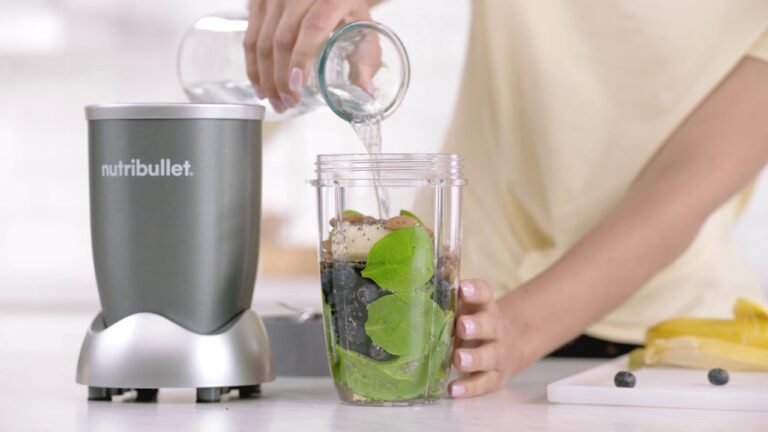
- Add liquid first. Liquid at the bottom, then soft ingredients, then hard or frozen ones on top. This is the opposite of what most people do.
- Pulse, don’t hold. Short bursts give the blade time to clear and reduce stalling.
- Hand-wash the blades. Most cups and lids are top-rack dishwasher safe, but blade assemblies last longer hand-washed.
- Dry the blade base. Moisture in the gear housing causes rust and odor.
- Don’t run it empty. It wears the blade and can damage the motor coupling.
- Give it a rest. Run it in short cycles rather than continuously for minutes.
Warning: If you smell burning plastic or the unit shuts off mid-blend, stop. That’s a thermal cutoff protecting the motor. Let it cool for 15 to 30 minutes before running it again, and reduce your batch size next time.
Which Version Should You Buy?
The “Magic Bullet” name covers several products, and they aren’t equal. Here is how to sort them.
| Version Type | What to Expect | Who It Suits |
|---|---|---|
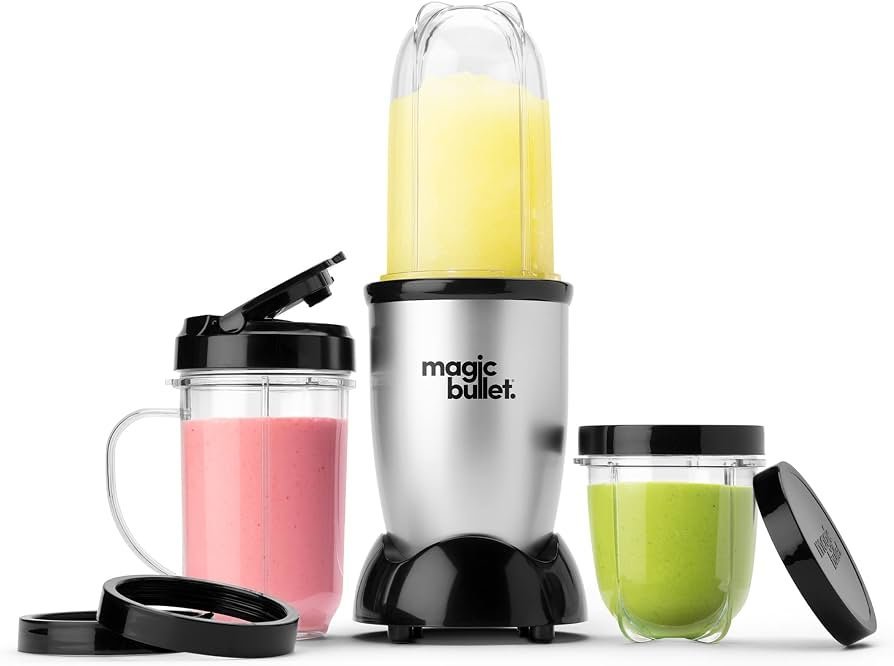
| Classic 250W set | Multiple small cups, basic blades | Light use, shakes, sauces |
| Higher-watt “pro” versions | 400W+, better ice handling | Daily smoothies, frozen fruit |
| NutriBullet-branded models | 500–1200W, larger cups | Heavier daily use |
| Generic/clone versions | Varies wildly, often no warranty | Bargain hunters, light use only |
Two buying rules:
- Buy from the manufacturer or a major retailer, not a marketplace listing with no brand name. Counterfeits and unbranded clones are common, and they’re where most of the horror stories come from.
- Check the warranty terms before you buy. A real limited warranty is a signal that the maker stands behind the motor. No stated warranty is a signal to walk away.
If you’re in the US, any electrical appliance you buy should carry a recognized safety certification mark. UL Solutions maintains the safety standards for household appliances, and you can verify a UL certification mark to confirm a product was actually tested. If a listing shows no recognizable mark, treat that as a red flag.
Who Should Buy One
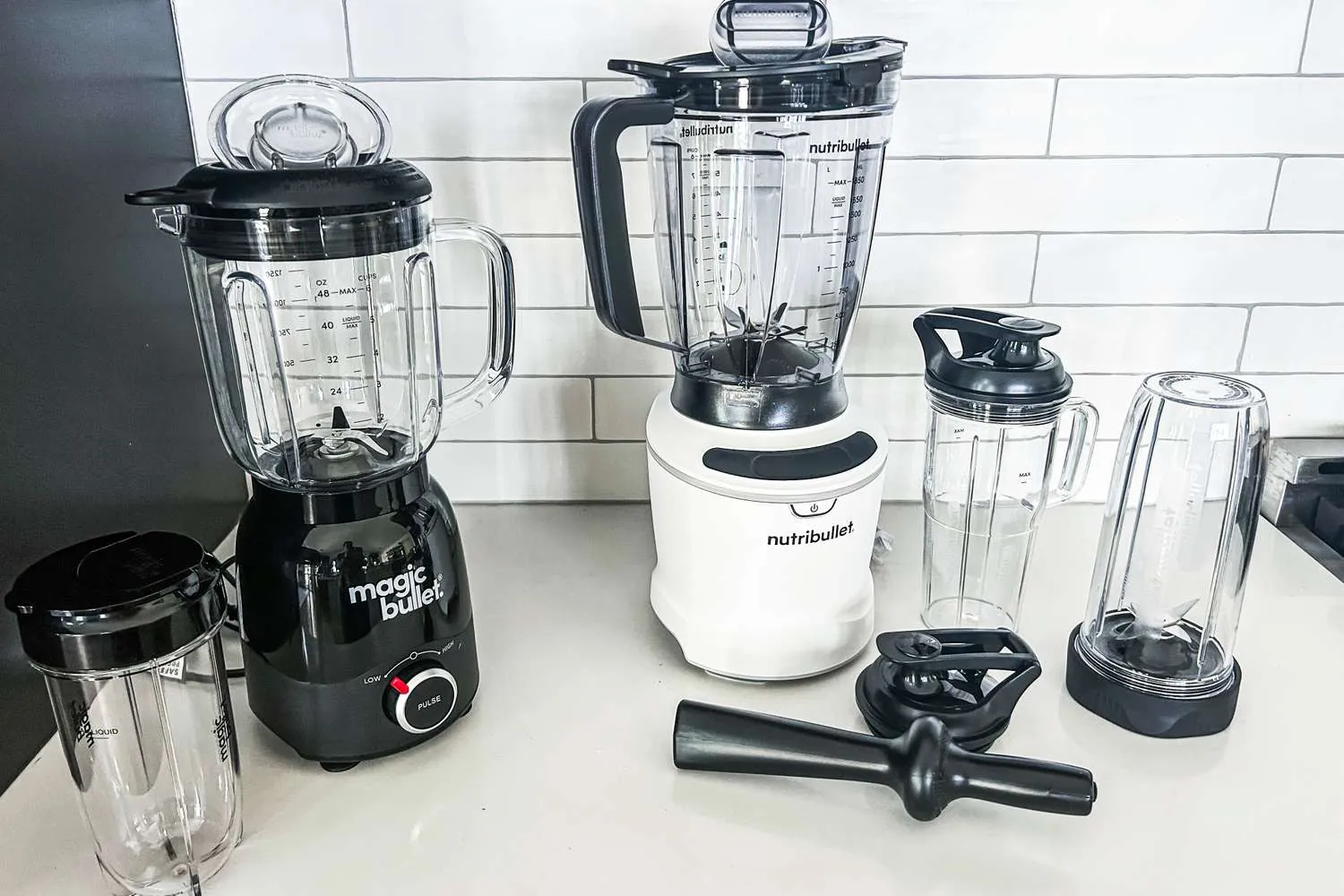
Buy it if you are:
- A single person or a couple making one or two drinks a day.
- A protein-shake or smoothie person with soft ingredients.
- Short on counter space or living in a dorm, small apartment, or RV.
- On a tight budget and want a name you recognize.
- Someone who wants one less dish to wash.
Skip it if you are:
- Blending for a family of three or more at once.
- Making hot soup, nut butter in volume, or dough.
- Crushing ice daily for cocktails or iced coffee.
- Replacing a full-size blender and expecting it to do the same jobs.
- Someone who wants to buy once and keep it for a decade.
Frequently Asked Questions
Can a Magic Bullet crush ice?
Only in small amounts, and only with care. Add a little liquid, use short pulses, and don’t fill the cup with cubes. For daily ice crushing, a 900W+ blender or a dedicated ice crusher is the better tool. Expect snow and whole cubes mixed together if you overload it.
Is a Magic Bullet the same as a NutriBullet?
No. They’re related products from the same company lineage, but NutriBullet models generally have more powerful motors and larger cups. NutriBullet is the heavier-duty line; Magic Bullet is the original compact, lower-wattage line. The names aren’t interchangeable when you compare specs.
How long does a Magic Bullet last?
With light daily use and hand-washing, a typical unit lasts roughly one to three years. The common failure points are the plastic cup tabs and the blade assembly’s gears. Heavy use, overfilling, and dishwasher heat shorten that lifespan considerably.
Can you put hot liquids in a Magic Bullet?
No, not safely in a sealed cup. Steam builds pressure inside, and the lid can pop off when opened, splashing hot liquid. Let cooked ingredients cool to room temperature first, and never fill above the max line. For hot soup, use an immersion blender in the pot instead.
Is a Magic Bullet worth the money?
It’s worth it if you want an inexpensive personal blender for soft, single-serve jobs. It isn’t worth it if you expect full-size blender performance. Judge it against other $30–$60 personal blenders, not against a $400 high-performance machine. At that comparison, it holds its own.
What can you not put in a Magic Bullet?
Avoid ice in volume, large frozen fruit, hot liquids, dough, thick batters, and dry hard spices like whole nutmeg. Also skip fibrous stems and very hard vegetables like raw beets cut into large chunks. Cut everything smaller and add liquid, and most of these become workable.
The Bottom Line on Buying One
Match the machine to the job, not the marketing. If your blending life is one smoothie, one sauce, or one protein shake at a time, a Magic Bullet is a genuinely good, cheap, space-saving answer — and the higher-watt version is worth the extra money.
If your blending life involves ice, soup, or feeding a family, put the same budget toward a full-size blender instead. Pick the version with the most watts you can afford, buy it from a retailer that honors the warranty, and read the max-fill line like it’s a rule, because it is.