How Old Is My Osterizer Blender? Read the Date Code
The model number tells you the era an osterizer blender was designed in, while the date code, usually a 4-digit stamp, tells you the exact week and year it left the factory. For example, a code like “2385” means the 23rd week of 1985.
The answer changes based on three things: whether your blender is a vintage Osterizer from before 2000 or a newer Oster model, whether the label is still readable, and whether you want an exact year or just a rough decade. Each one leads to a different method.
Who should date their Osterizer blender
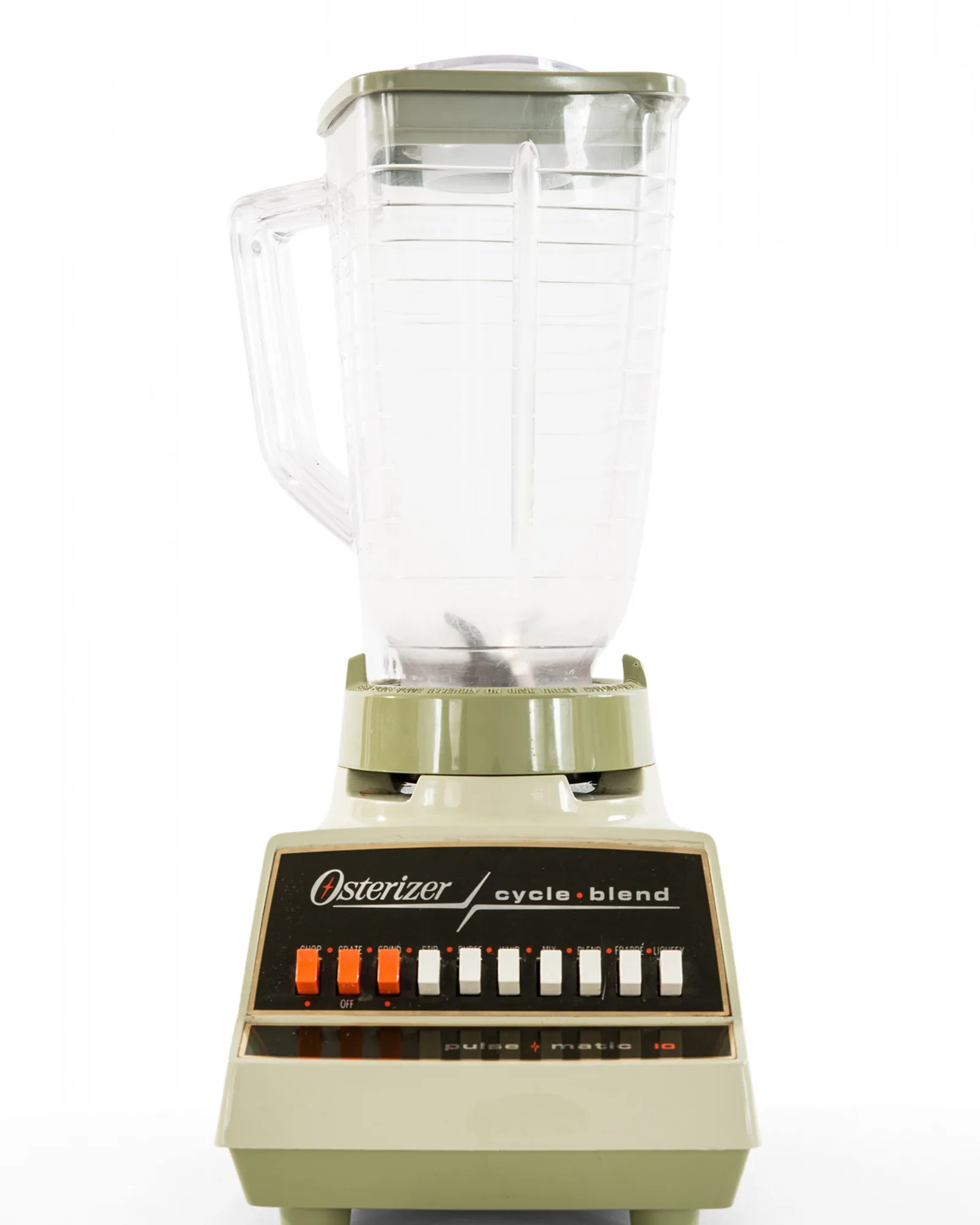
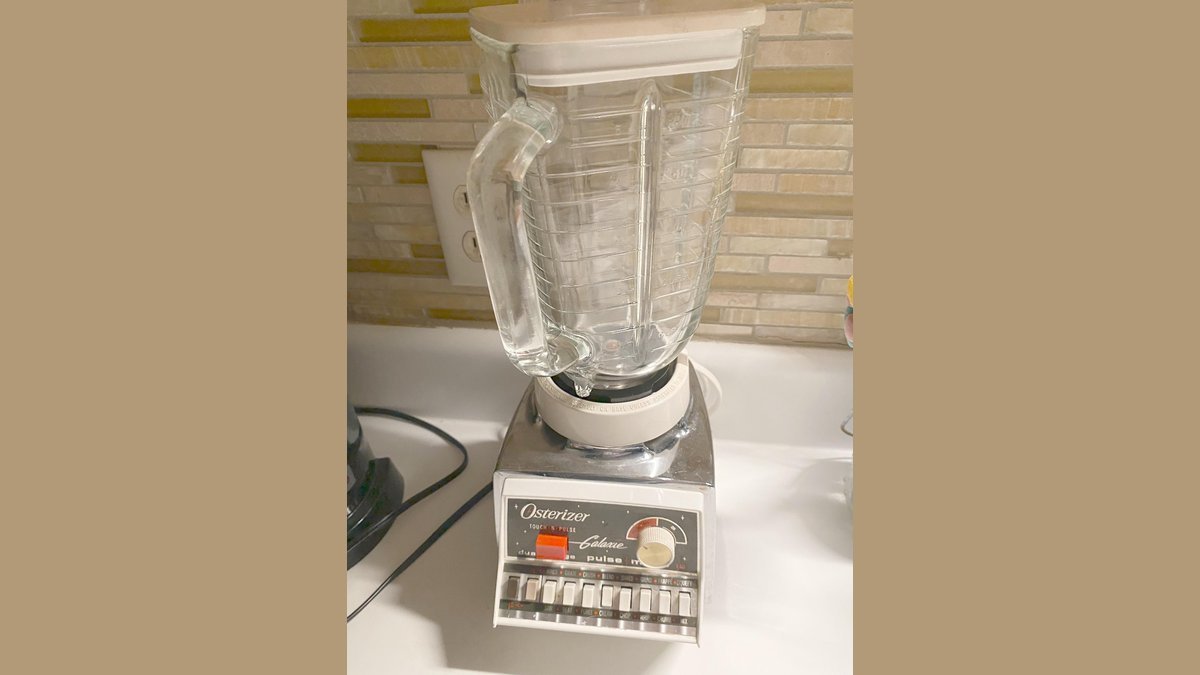
Three types of people search for the age of an Osterizer blender. The first is a thrift-store or flea-market buyer holding a heavy chrome or avocado-green machine, wanting to know if it’s a 1970s original or a modern reproduction before paying. They need the date code location and a quick way to read it.
The second is someone who inherited a blender from a parent or grandparent and wants a rough year for sentimental reasons. They usually don’t care about exact weeks, just the decade.
The third is a seller or collector trying to price a vintage Osterizer on eBay or Etsy. They need the model number, the wattage, and the production era, because those three things set the value.
This page serves the first two readers best. It gives you the label locations, the code format, and how to read both without special tools. If you’re a serious collector chasing specific production runs, you’ll want the Oster company archives or a dedicated vintage appliance forum instead.
The assumption here is that your blender still has its original base label. If the label is gone, you’ll be working from design clues only, and the answer gets rougher.
What actually decides the age
The date code is the single strongest clue, but it only works if the label survives. The first two digits are the week (01 to 52), and the last two are the year. A code of “0792” means week 7 of 1992. If your code reads “5210,” that’s week 52 of 2010, not 1910.
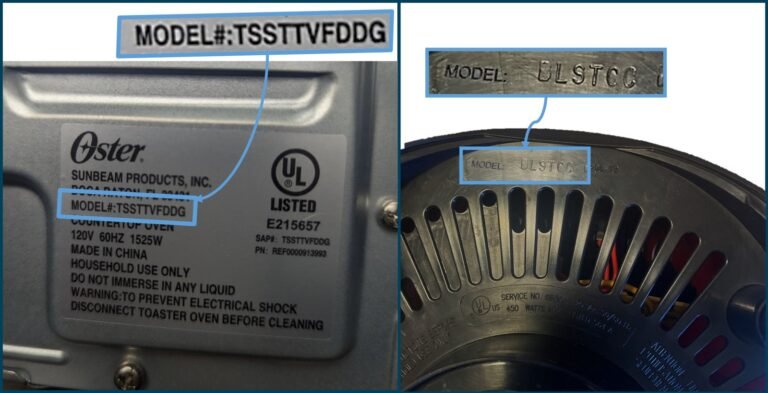
The model number narrows the era when the date code is missing or faded. The model number is usually stamped or printed near the cord exit or on the bottom plate.
The motor wattage tells you the decade in broad strokes.
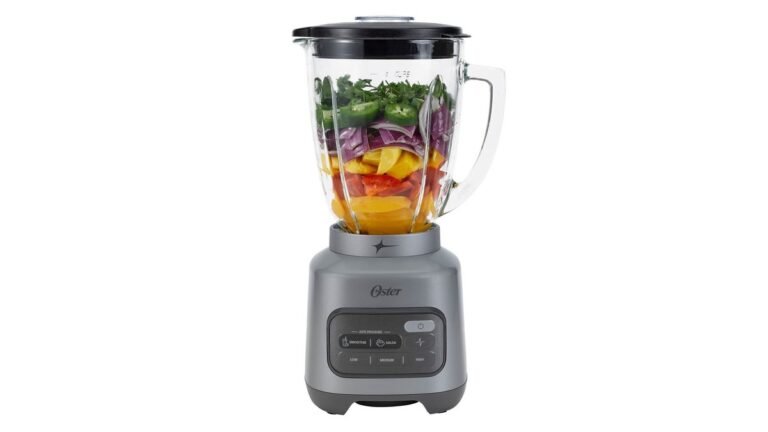
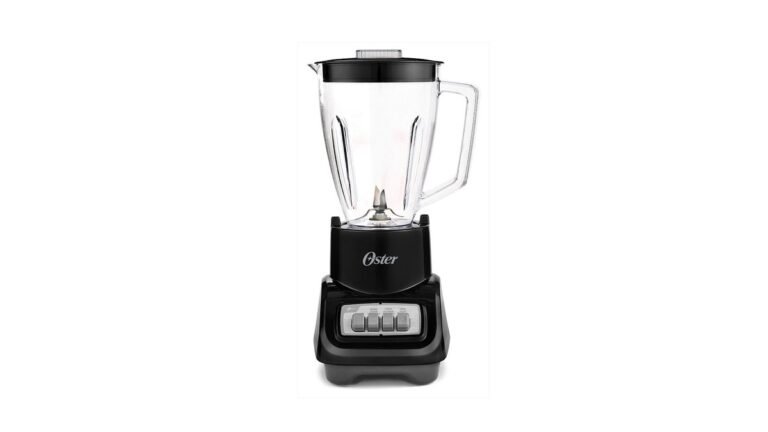
The color and material are the fastest clue but the least precise. Avocado green, harvest gold, and almond belong to the late 1960s through the 1970s. Chrome and brushed steel ran across many decades. White plastic bodies point to the 1980s and later.
The thing people get wrong most often is reading the date code backwards. The week comes first, not the year.
How to date your Osterizer step by step
- Unplug the blender and turn it over. Set it on a towel so the base doesn’t scratch. Look for a metal or plastic plate on the bottom.
- Find the model number first. It’s usually 3 to 5 digits, sometimes with letters. Write it down exactly as printed. This is the anchor for everything else.
- Look for a 4-digit date code near the model number. It may be stamped into metal or printed on a sticker. If you see a longer string, the last 4 digits are usually the date code.
- Read the first two digits as the week. “01” is the first week of January, “52” is the last week of December. If the number is higher than 52, it’s not a date code.
- Read the last two digits as the year. “75” means 1975, “05” means 2005. Use the design era to pick the century if you’re unsure.
- Check the wattage on the same label. Write it down. 300 to 450 watts points to pre-1980, 600 watts or more points to post-2000.
- Photograph the label with your phone. Zoom in on the photo. Stamped codes are often easier to read on a screen than with your eyes.
- Compare the color and body shape to known eras. Avocado or harvest gold means late 1960s to 1970s. Chrome beehive shapes mean 1960s. White plastic means 1980s or later.
- Cross-check the model number against a vintage appliance forum or the Oster website. If the model is still sold, the Oster product page will show the current version.
- Write the year range down before you forget. “Week 23, 1975” is more useful than “sometime in the 70s.”
The judgement call that separates a real answer from a guess is this: if the date code and the model number disagree, trust the date code. Model numbers get reused across redesigns, but the date code is stamped at the moment of manufacture. If the label is unreadable, the honest answer is a decade range, not a year.
The variations at a glance
Your situation decides which clue matters most. The table below covers the cases readers actually arrive in.
| Your situation | What to do | What it takes | What to watch for |
|---|---|---|---|
| Label is clear and readable | Read the 4-digit date code | 2 minutes | Reading week and year in the wrong order |
| Label is faded or scratched | Photograph and zoom in | 5 minutes | Mistaking a scratch for a digit |
| No label at all | Use color, shape, and wattage | 15 minutes | Guessing a year instead of a decade |
| Model number only | Search the model on the Oster site | 10 minutes | Model reused across decades |
| Inherited from family | Ask the owner when it was bought | A conversation | Memory is often off by years |
| Buying at a thrift store | Check code before paying | 3 minutes | Seller may not know the age |
| Selling online | Combine code, model, and wattage | 20 minutes | Overstating the year kills trust |
What separates a good answer from a poor one
Reading the code in the right order
Experienced readers scan the whole label before deciding anything. They find the model number, the date code, and the wattage together, because each one checks the others. If one clue doesn’t fit, they re-read the code rather than forcing the answer.
Beginners grab the first number they see and call it the year. That’s how a 1982 blender gets labeled as a 2003 model, or worse, a 1903 one.
Knowing when to stop
People who date these blenders well stop at the decade when the label is gone. They say “late 1970s” and move on, because a precise year without a date code is a guess dressed up as a fact. They also leave the motor alone. Opening the base to look for internal stamps risks the wiring and voids nothing useful, since Oster didn’t stamp dates inside.
What they check instead is the cord.
What goes wrong, and what to do
The problems below cover almost every case where the date comes out wrong or the reader gets stuck.
| What you notice | What it usually means | What to do first | How to stop it happening again |
|---|---|---|---|
| Code has more than 4 digits | You’re reading a serial number | Find the shorter 4-digit stamp | Look for a separate small stamp |
| First two digits are over 52 | Not a date code | Re-check the label | Date codes stop at week 52 |
| Label is completely gone | No factory date exists | Use color and wattage | Accept a decade range |
| Model number not found online | Discontinued or regional model | Try a vintage appliance forum | Photograph the whole base |
| Blender looks newer than code says | Base was replaced | Trust the code on the base | Check base screws for wear |
| Code reads like a year already | It’s the model, not the date | Look for a second 4-digit number | Model numbers are often 3-5 digits |
The rules that apply
Oster has never published a public decoder for its date codes, so what you’re doing is reading a manufacturer’s internal stamp, not a government standard. That means there’s no official body to appeal to if the code is unclear.
The one hard rule is electrical. A vintage blender with a fabric cord and no polarized plug should be checked by a qualified electrician before regular use, not repaired at home.
For value and authenticity questions, the Oster company (now owned by Newell Brands) doesn’t verify individual blenders. If you need a formal appraisal for insurance or resale, contact a certified appraiser who handles vintage small appliances.
What it costs you
Dating an Osterizer blender costs nothing but time. The whole process takes 2 to 20 minutes depending on whether the label is readable. There’s no tool to buy, no service to pay for, and no fee to read a code.
The cost shows up if you get it wrong. A seller who lists a 1975 Osterizer as a 1955 model may get more views but risks a return and a bad review when the buyer checks. A buyer who pays a premium for a “rare 1960s” blender that’s actually a 1985 model loses the difference, which on eBay can run from a few dollars to over a hundred depending on the model.
If you want a professional appraisal for insurance, expect to pay an hourly rate set by the appraiser. Rates vary by region and by the appraiser’s specialty, so ask for a quote before you commit. For most readers, the free method on this page is enough.
The thing that moves the cost up most is a missing label. Without it, you’re paying in uncertainty, not money.
Keeping the record right afterwards
Once you’ve dated your blender, write the result somewhere you’ll find it again. A photo of the label stored in a phone album, plus a note with the model number, date code, and your year estimate, takes one minute and saves you from redoing the work later.
Check the label again if the blender changes hands or if you list it for sale. Labels fade further over time, and a code that’s readable today may not be in five years.
The sign that your dating needs a second look is a mismatch between the code and the design. If the code says 1990 but the body is avocado green, re-check the code before you trust it. Avocado green belongs to the 1970s, and a 1990 stamp on that body usually means the base was swapped.
If the cord shows cracks, fraying, or exposed wire, stop using the blender and have a qualified electrician replace the cord. Don’t try to rewire it yourself.
When this method won’t work
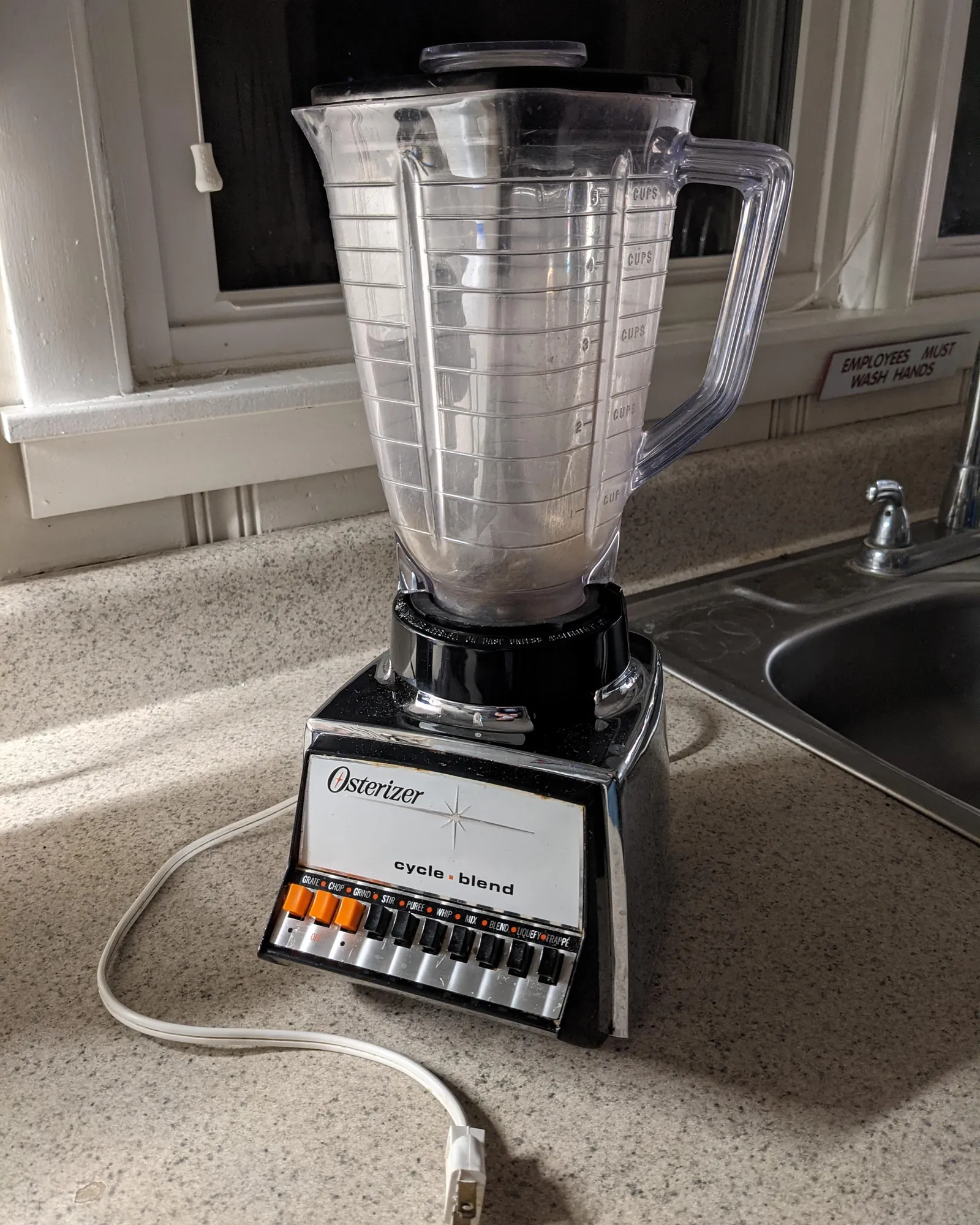
This page is the wrong choice if your blender has no label and no original cord, because then you’re dating a shape, not a machine. In that case, post clear photos on a vintage appliance forum and let collectors compare it to known models.
It’s also wrong if you need a legally defensible age for insurance, probate, or a court case. A photo of a date code isn’t a certified appraisal. Hire a qualified appraiser for that.
And it’s wrong if you’re trying to date a blender that isn’t an Osterizer at all. Oster made many blender lines under other names, and the codes differ. Check the brand name on the base first. If it says something other than Oster or Osterizer, this method doesn’t apply.
Frequently asked questions
How old is my Osterizer blender if the label is gone?
You can only get a decade range, not a year. Avocado or harvest gold means the 1970s, chrome beehive shapes mean the 1960s, and white plastic means the 1980s or later. Check the cord type too: fabric cords point to pre-1970.
Can I find the age from the model number alone?
Usually no, because Oster reused model numbers across redesigns. The model number narrows the era to a range, but only the 4-digit date code gives you a specific year. Use both together for the best answer.
Why does my date code have more than 4 digits?
You’re probably reading the serial number, not the date code. Look for a separate shorter stamp, usually 4 digits, near the model number. If you can’t find one, the label may have two numbers printed close together.
Is it safe to use a vintage Osterizer blender?
Only after an electrician checks the cord and plug. Blenders made before the 1980s may have fabric cords and no polarized plug, which don’t meet current UL safety standards. Never open the base yourself, because a capacitor inside can hold a lethal charge.
What happens if I read the date code backwards?
You’ll get a wrong year, often by decades. A code of “7503” read backwards looks like 1975, but it actually means week 75, which doesn’t exist. The first two digits are always the week, from 01 to 52.
How long does it take to date an Osterizer blender?
About 2 minutes if the label is clear, and up to 20 minutes if you’re cross-checking the model number online. If the label is gone, you’ll spend 15 minutes on design clues and still only get a decade range.
Does the wattage tell me the year?
It gives you a broad era, not a year. Vintage Osterizers from the 1950s to 1970s typically run 300 to 450 watts, while modern Oster blenders often list 600 watts or more. Use wattage as a check, not the main answer.
Can I date it from the color alone?
No, but color narrows the decade fast. Avocado green and harvest gold belong to the late 1960s and 1970s, almond and white to the 1980s, and chrome ran across many decades. Combine color with the date code for a real answer.
Start with the label on the bottom
Turn your blender over and find the label first, because that’s where the answer lives. Expect a 4-digit date code within a minute or two on most models, giving you the week and year of manufacture. If the label is gone, expect a decade range instead of a year, and stop there rather than guessing. If the cord is frayed or the plug looks unsafe, stop and take it to a qualified electrician before you plug it in again.