How To Clean Nutribullet Baby Steamer And Blender
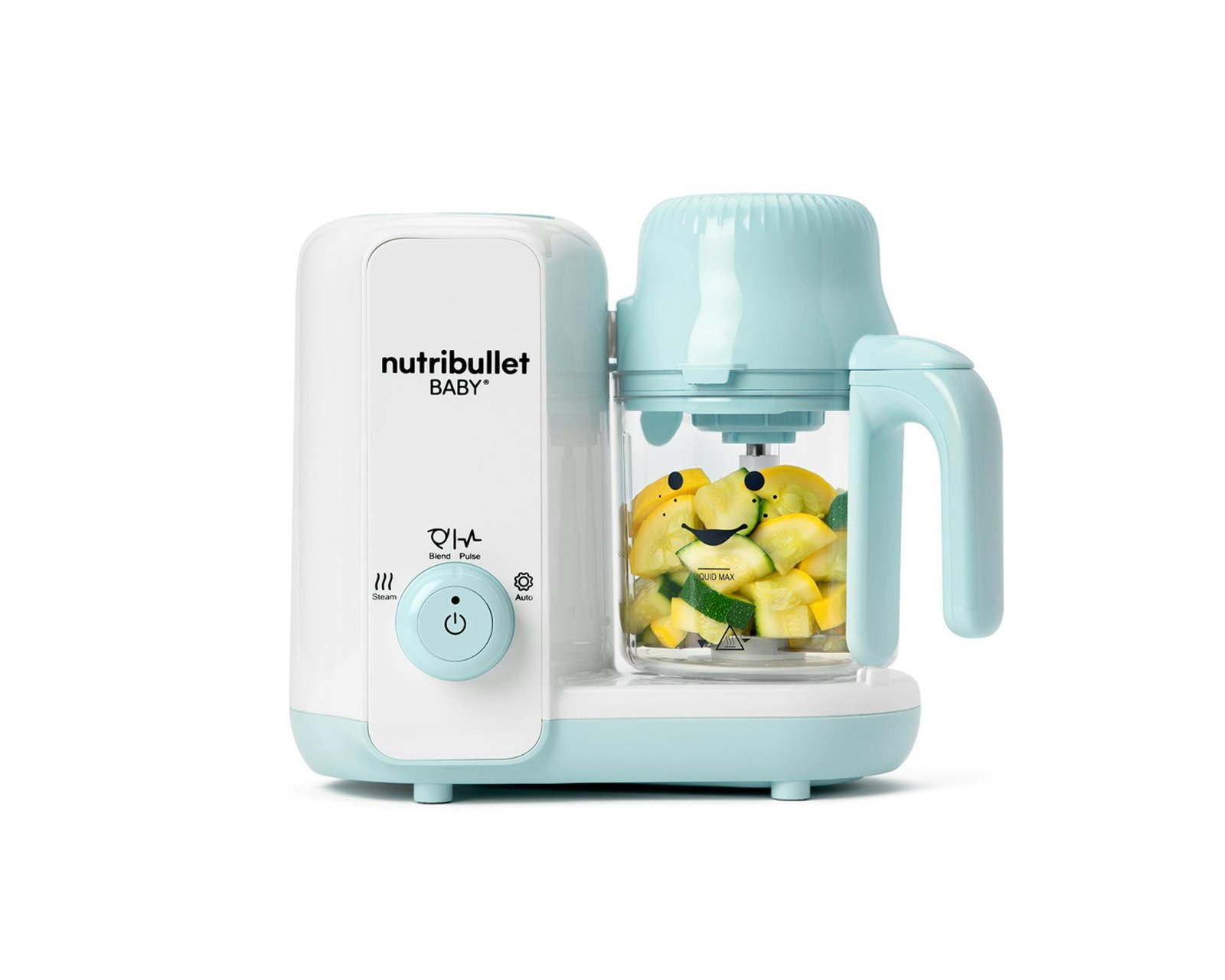
You clean the Nutribullet Baby steamer and blender by hand-washing the parts that touch food in warm water with dish soap, then air-drying them fully — the blender cups and blades, the steam basket, the water reservoir, and the lid. Never put the motor base or the blade assembly in the dishwasher.
Three things change the answer. Which model you own decides which parts come apart. What you steamed last decides how hard the wash is. And how often you use it decides when you need a deep clean instead of a rinse.
Wash the steam basket and reservoir right after the cycle ends, while the residue is still soft. Once it dries, carrot and sweet potato leave a film that warm soapy water alone won’t lift, and you’ll be scraping at it.
If you steamed anything orange or starchy, scrub those two parts with a bottle brush before they cool. If it was just water or a light green vegetable, a rinse and a soapy sponge will do.
The blade assembly is the part people ruin. Water gets into the bearing housing and it stops spinning freely, so rinse the blades by holding them under the tap rather than soaking the whole unit.
Who this page is for
Three kinds of people search this. The first is a parent who just steamed carrots, sees orange film in the basket, and wants it gone before the next batch. They know the parts come off but aren’t sure which ones get wet.
The second is someone whose unit sat unwashed for two days and now smells sour. They need the deep-clean path, not the daily one, and they need to know if the smell can be fixed or if something’s ruined.
The third is a caregiver or grandparent using someone else’s machine, unsure which parts are dishwasher-safe and which aren’t. They need the safe list, fast.
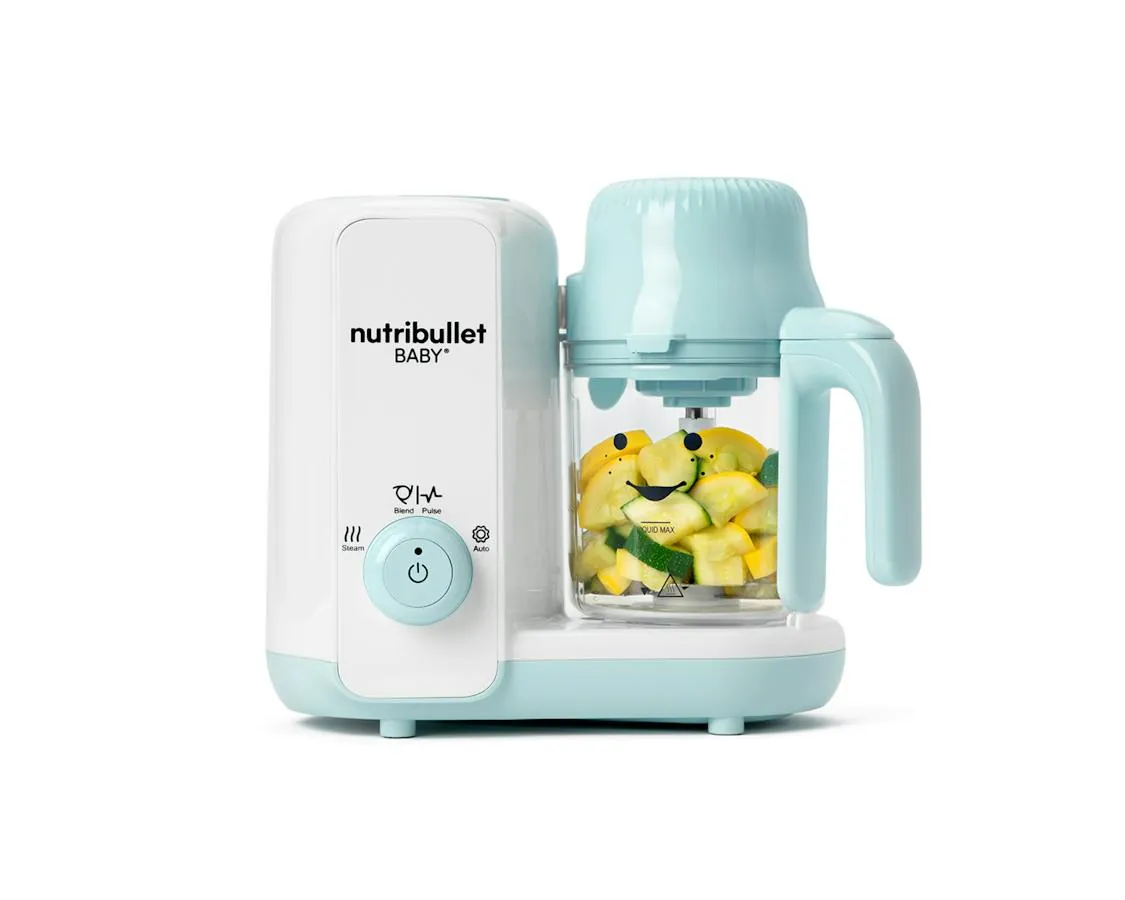
This page serves the first two readers best. It assumes your model has a separate steam basket and water reservoir, and that you have the manual or can find your model on Nutribullet’s own site. If you have a different brand or a model with a sealed one-piece steam chamber, the steps below may not match — check your manual first.
The third reader is better served by the manual that came in the box. Nutribullet’s official support page for your model lists exactly which parts are dishwasher-safe, and that list varies by model.
What decides how hard the clean is
Four things move the result more than anything else. Order them by how much they matter and you’ll see why some people scrub for two minutes and others for twenty.
The first is how long food sat in the basket after steaming. Steam leaves moisture behind, and moisture plus starch is what turns into that glued-on film. Rinse within about 30 minutes and most of it slides off. Leave it overnight and you’re scraping.
The second is what you steamed. Carrot, sweet potato, and squash leave pigment and starch that stain the plastic. Plain apple or pear leaves almost nothing. If you cook orange vegetables often, expect the basket to hold a light tint no matter how well you wash it — that’s cosmetic, not dirt.
The third is whether the water reservoir dried out with water still in it. Standing water in a closed chamber is where the sour smell comes from. Empty it after every session, every time.
The fourth, and the one people get wrong most often, is the blade assembly seal. Food and liquid get trapped under the rubber gasket, and a quick rinse never reaches it. If your blend smells off even after washing the cup, the gasket is the reason.
Step-by-step cleaning
Unplug the base and let it cool for 10 minutes. Steam means heat, and the reservoir stays hot after the cycle ends. Touch the outside of the reservoir — if it’s warm, wait. You’ll know it’s ready when it’s room temperature.
Take everything apart. Remove the lid, steam basket, reservoir, blade assembly, and cup. If a part won’t come off by hand, don’t force it — check your model’s manual, because some lids twist and some lift straight up.
Empty the reservoir into the sink. Pour out all remaining water. If you see white mineral flakes, that’s normal hard-water scale, not mold.
Rinse every food-contact part under warm running water within 30 minutes of use. Warm, not hot — very hot water can warp some plastic cups. You’ll know it worked when the surface feels smooth, not slick.
Wash with dish soap and a soft sponge. Use about a teaspoon of soap per part and scrub the basket’s holes with a bottle brush. The holes hold the most residue. Skip abrasive pads — they scratch the plastic and give future food a place to hide.
For the blade assembly, work the gasket. Push the rubber seal gently away from the plastic with your thumb and rinse underneath. Don’t pull it off unless your manual says it’s removable. You’ll know it’s clean when no film or smell remains at the seam.
Rinse everything with clean water until no suds remain. Suds left behind taste soapy in the next batch. Run your finger across the surface — it should squeak slightly.
Air-dry upside down on a rack for at least 2 hours. Trapped water in the basket holes grows bacteria. Parts are dry when no droplets sit in the crevices.
Wipe the motor base with a damp cloth only. Never submerge it and never run it under the tap. Food splatter on the outside comes off with one wipe.
The judgement call is the gasket. A cup that looks spotless but smells sour almost always has residue under that seal, and no amount of scrubbing the visible plastic will fix it.
The variations at a glance
| Your situation | What to do | What it takes | What to watch for |
|---|---|---|---|
| Fresh use, rinsed right away | Warm soapy wash, air-dry | About 5 minutes | Missed spots in basket holes |
| Sat out overnight | Soak in warm soapy water 15 minutes, then wash | About 20 minutes | Sour smell in the gasket |
| Orange vegetables | Wash, then rinse with a little white vinegar | About 8 minutes | Light stain that won’t lift |
| Sour smell after washing | Clean under the gasket, soak reservoir | About 15 minutes | Film you can feel, not see |
| Hard-water film in reservoir | Soak in equal parts water and white vinegar 30 minutes | About 35 minutes | Scale flakes in the next batch |
| Dishwasher available | Top rack only, parts your manual allows | One full cycle | Heat warping thin plastic |
| Sharing with another caregiver | Full wash between users | About 10 minutes | Cross-contact on the gasket |
If your manual lists a part as hand-wash only, that part never goes in the dishwasher, no matter how convenient it seems.
What careful cleaners do differently
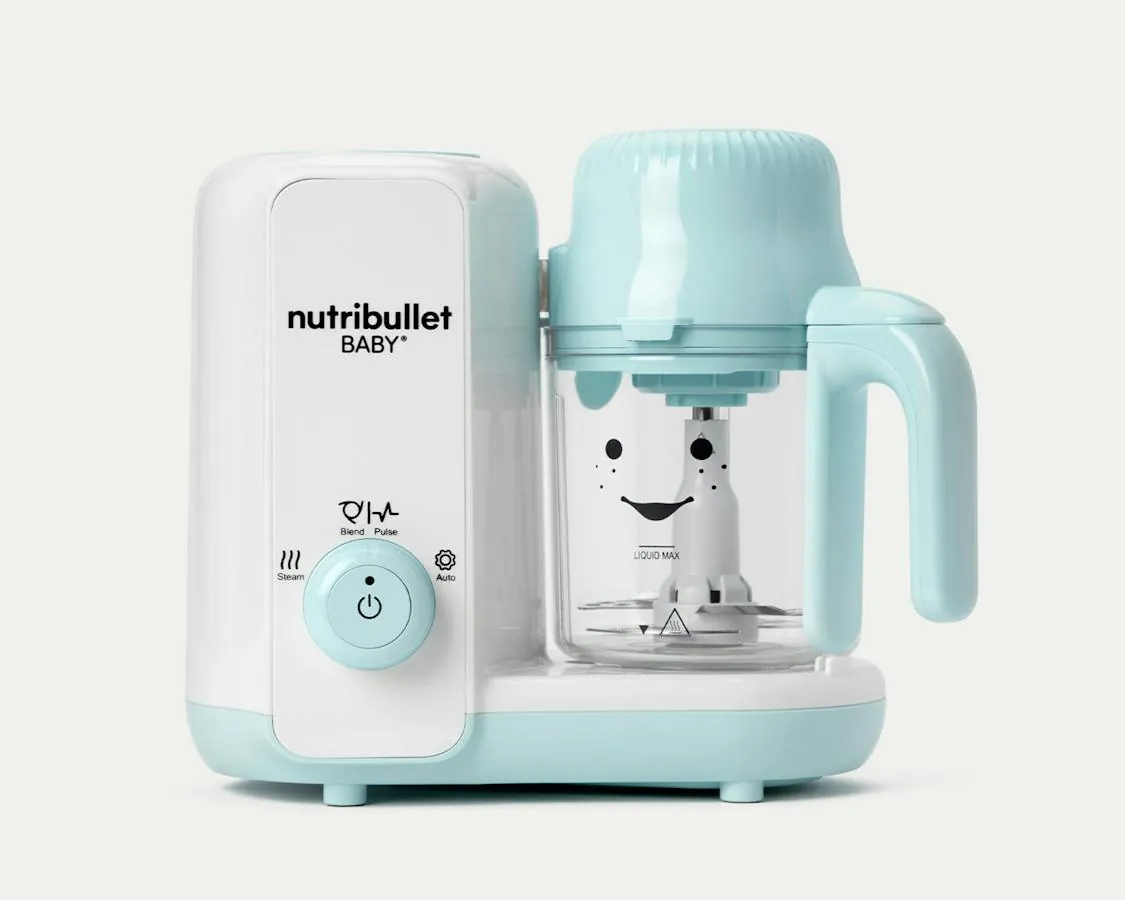
They clean before the food dries
Timing beats scrubbing every time. A basket rinsed within 30 minutes of steaming takes about 2 minutes to wash. The same basket left until morning takes 10 minutes of soaking and scraping. Careful cleaners also empty the reservoir the moment the cycle ends, because water sitting in a warm closed chamber is what starts the smell.
They check the gasket, not the plastic
The visible cup is never the problem. Run a fingertip around the inside of the blade assembly’s rubber seal — if it feels slick or smells off, that’s where the residue lives. Careful cleaners also leave parts to air-dry upside down for at least 2 hours rather than towel-drying, since a towel pushes moisture back into the crevices. And they leave the vinegar alone unless there’s scale or a stain — routine vinegar soaks dull the plastic over time.
What goes wrong, and what to do
| What you notice | What it usually means | What to do first | How to stop it happening again |
|---|---|---|---|
| Sour smell in the cup | Residue under the blade gasket | Clean under the gasket with warm soapy water | Check the gasket after every wash |
| White flakes in the reservoir | Hard-water mineral scale | Soak in equal parts water and vinegar 30 minutes | Empty and dry the reservoir after each use |
| Orange stain on the basket | Pigment from carrots or squash | Wash, then rinse with white vinegar | Rinse within 30 minutes of steaming |
| Cloudy plastic cup | Scratches from abrasive pads | Accept it or replace the cup | Use only a soft sponge |
| Soapy taste in the next batch | Suds left in the basket holes | Rinse again under warm water | Rinse until the surface squeaks |
| Base won’t turn on | Safety interlock not seated | Check the cup and lid are locked fully | Line up the marks before pressing start |
If the base still won’t run with everything seated correctly, stop there. Don’t open the housing — the internal parts hold a charge even unplugged. Contact Nutribullet support for your model.
The rules that apply
Nutribullet publishes a manual for each Baby model, and that manual is the only list that matters for your unit. It names which parts are dishwasher-safe, which are hand-wash only, and whether the blade gasket is removable. Those three answers differ between models, so a tip from a friend with a different unit may be wrong for yours.
The FDA and USDA advise washing anything that touches food after each use, and they treat baby food equipment the same as any other food-contact surface. That means no part sits dirty overnight if you can help it.
One hard line: never put the motor base in water, and never open it. If the base is cracked, smells burnt, or trips your outlet, that’s a repair or replacement job — not a cleaning one. Nutribullet support handles it.
What it costs you
The money side is small. Dish soap and a bottle brush cost a few dollars, and both last months. White vinegar for scale runs a couple of dollars a bottle and does double duty in the kitchen. A replacement cup or blade assembly is the only real expense, and prices vary by model and by where you buy — check Nutribullet’s own site or your retailer for today’s price rather than trusting a number from an old review.
The time side is where the real cost sits. A daily wash takes about 5 minutes. A soak-and-scrub after a forgotten night takes about 20. That gap compounds: five rushed washes a week is under half an hour, but five forgotten ones is nearly two hours.
The risk side is the one people ignore. A gasket that never gets cleaned can grow bacteria and mold, and that’s the part your baby’s food passes over. Five extra seconds on the gasket is the cheapest insurance here.
Keeping it right afterwards
Store the parts dry and apart, not stacked wet in a cabinet. Stacked wet parts trap moisture in the basket holes and the gasket seam, which is exactly where the smell starts. A dish rack or a clean towel on the counter works fine.
The sign that it needs attention again is smell, not appearance. If the cup smells clean when you open it, you’re fine. If there’s any sour note, the gasket needs another pass — and you can fix that without redoing the whole wash.
Work the gasket gently away from its groove with your thumb, rinse under warm water, and work the seam. If the sour note survives that, soak the gasket in vinegar for a few hours before you put it back.
For the reservoir, empty and dry it after every session. For the basket and cup, a wash after each use keeps everything else simple. If you use the unit daily, a vinegar soak once a week handles scale before it builds. Skip the soak and the film hardens into a crust that no rinse will lift.
When this isn’t the right approach
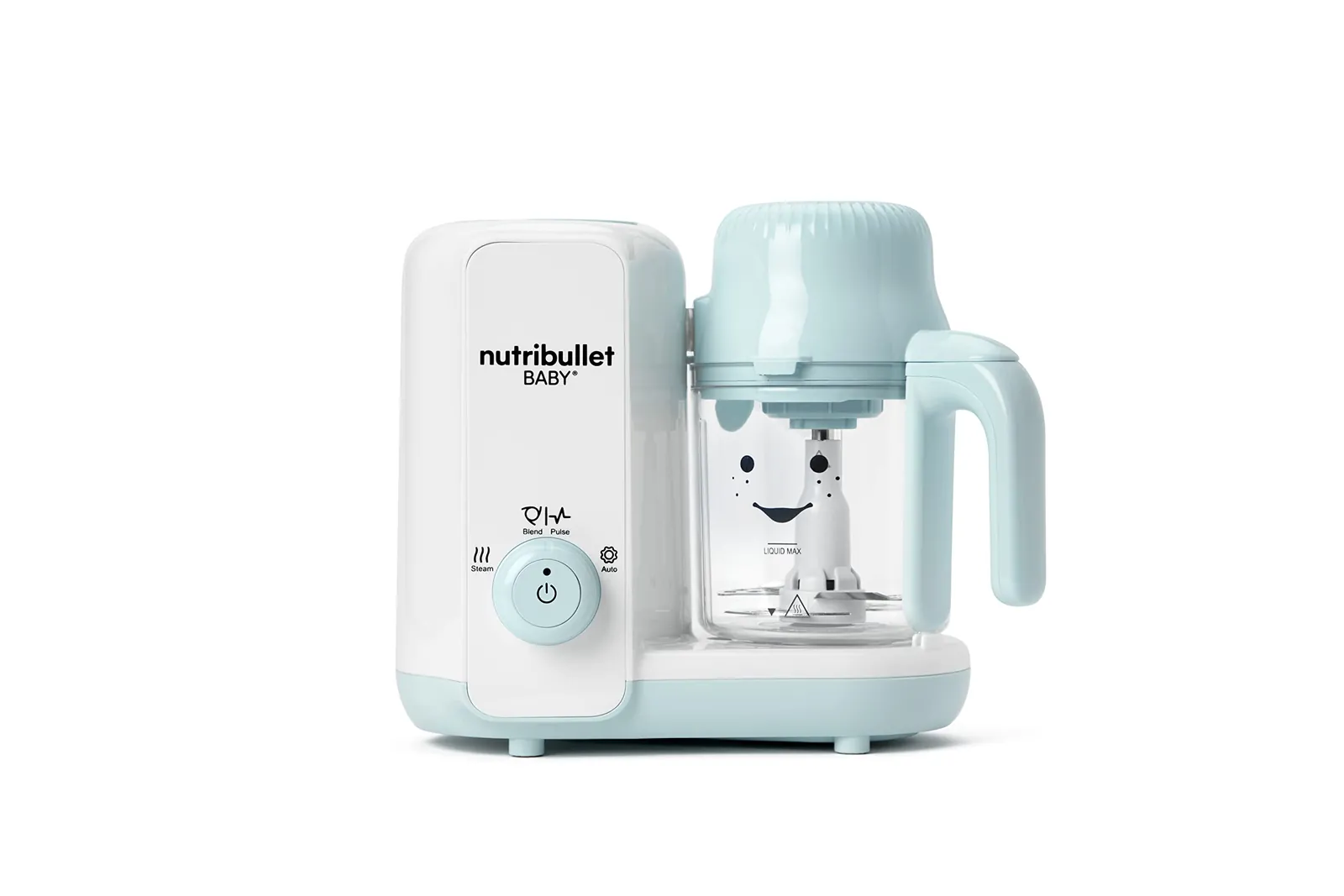
If your unit is more than a few years old and the plastic is cracked, cloudy, or shedding, stop cleaning and replace the affected parts. Cracked plastic holds bacteria in places no sponge reaches, and no wash fixes that.
A hairline crack near the blade assembly is the one people miss, because it looks cosmetic and the unit still runs fine. It isn’t cosmetic. Once water gets into that seam, the inside stays damp between uses, and you’ll smell it before you see it.
If the motor base smells burnt, runs hot, or trips your outlet, this isn’t a cleaning problem. Unplug it and contact Nutribullet support or a qualified appliance technician — don’t open the housing yourself.
If you’re cleaning a unit for a baby with a compromised immune system, ask your pediatrician about their specific guidance. General cleaning advice doesn’t cover every medical situation, and your doctor’s answer beats anything on this page.
Frequently asked questions
Can you put Nutribullet Baby parts in the dishwasher?
Some parts, yes — but only the ones your model’s manual lists as dishwasher-safe, usually on the top rack. The motor base and typically the blade assembly are hand-wash only. Check the manual that came with your unit, or Nutribullet’s support page for your model, before loading anything.
Why does my Nutribullet Baby smell sour after washing?
The blade assembly’s rubber gasket is almost always the cause. Food and liquid get trapped under the seal, and a normal rinse never reaches it. Push the gasket gently away from the plastic with your thumb, rinse underneath with warm soapy water, and the smell usually goes.
How long should I soak the parts?
About 15 minutes in warm soapy water for normal stuck-on food. For hard-water scale in the reservoir, soak 30 minutes in equal parts white vinegar and water. Longer soaks don’t help more and can dull the plastic.
Is it safe to use vinegar on the plastic?
Yes, for occasional use. A 30-minute soak in equal parts vinegar and water removes scale and light stains without harming the plastic. Don’t soak daily — repeated acid exposure dulls the finish over time.
What happens if I don’t clean the gasket?
Residue builds up under the seal, and that’s where bacteria and mold grow. Since your baby’s food passes over that part, it’s the one spot worth the extra five seconds. A sour smell is your first warning sign.
How often should I deep clean the steamer?
When you see scale in the reservoir, a stain on the basket, or smell anything sour. For daily use, a weekly vinegar soak handles scale before it builds. There’s no fixed schedule that fits every kitchen — the signs tell you.
Can I clean the motor base with water?
No. Wipe it with a damp cloth only, and never submerge it or run it under the tap. Water inside the housing can damage the electronics or create a shock risk. If the base gets wet, unplug it and let it dry fully before using it again.
Does it matter which soap I use?
Any mild dish soap works. Avoid anything with bleach or heavy fragrance, since residue can linger on plastic and affect the taste of the next batch. Rinse until the surface squeaks and no suds remain.
Start with the gasket
Rinse every food-contact part within 30 minutes of use, then check the blade gasket before you put anything away. Do that and the wash takes about 5 minutes, the sour smell stays away, and the next batch tastes clean.
The gasket is the thin ring seated in the blade base, and it’s the part people skip. Work it gently away from the plastic with a thumb, rinse underneath, and press it back flat. If it’s stretched, cracked, or no longer sits flush, replace it before your next blend. A loose gasket lets liquid into the bearing, and that’s what kills a base early.
If the base smells burnt, runs hot, or won’t start with everything seated correctly, stop and contact Nutribullet support — that’s a repair job, not a cleaning one.