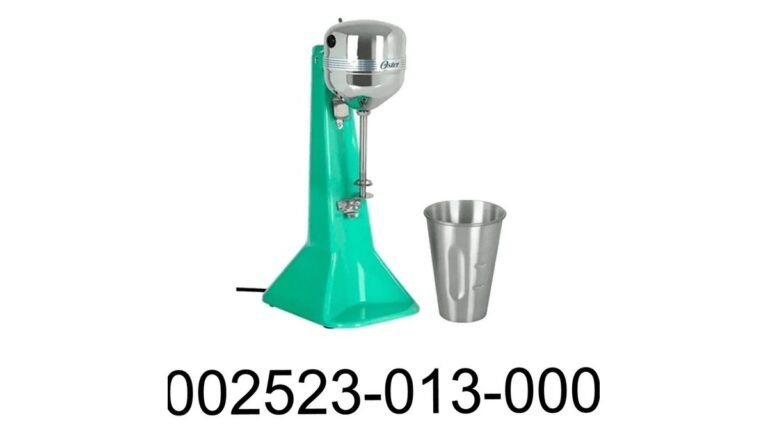
What Is an Osterizer Blender? How the Classic Works
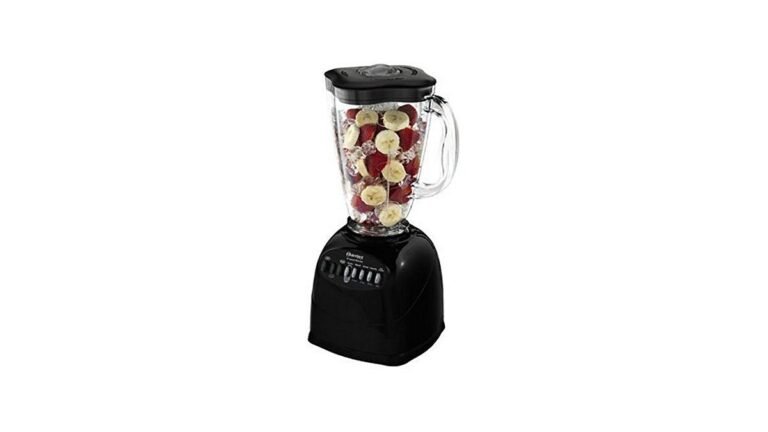
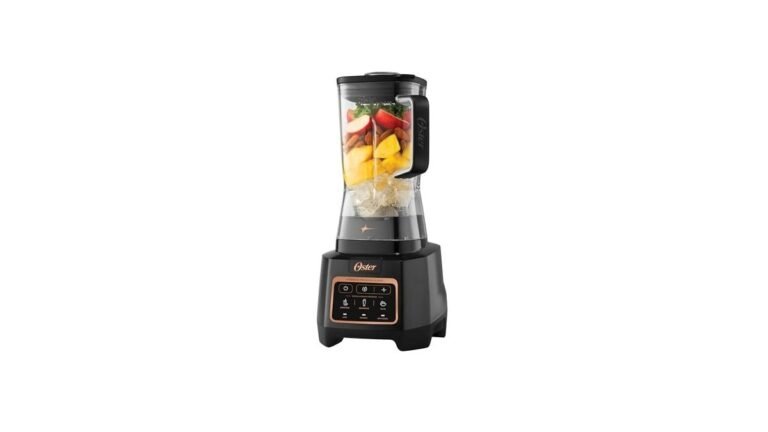
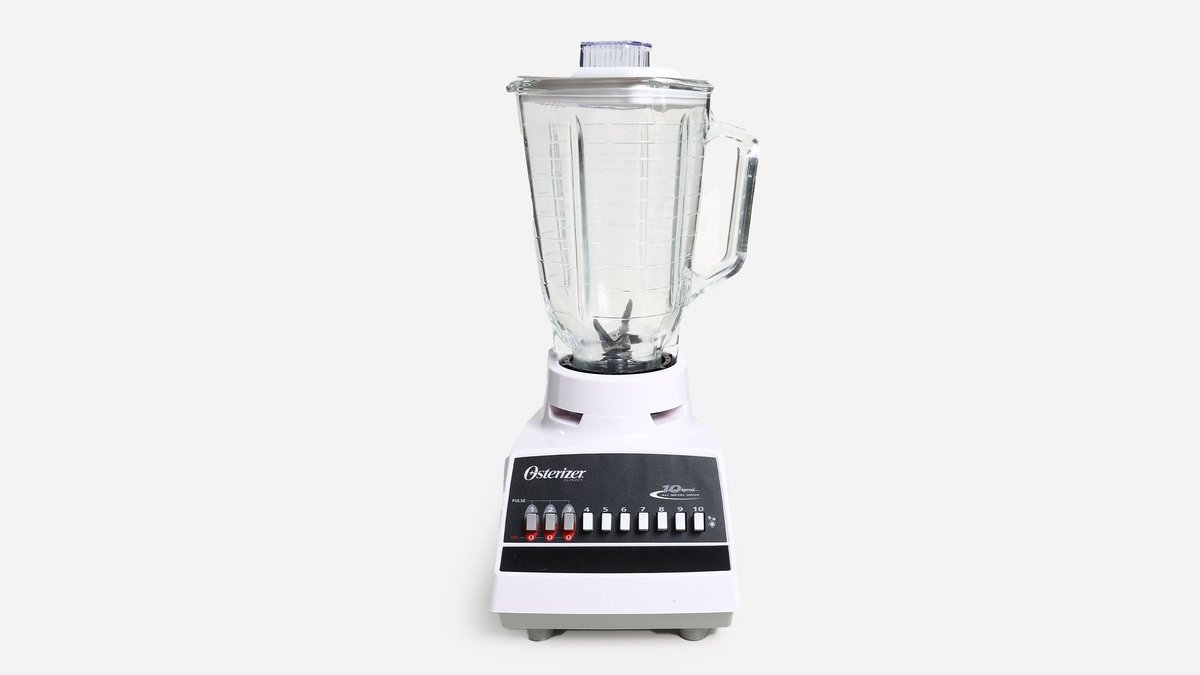
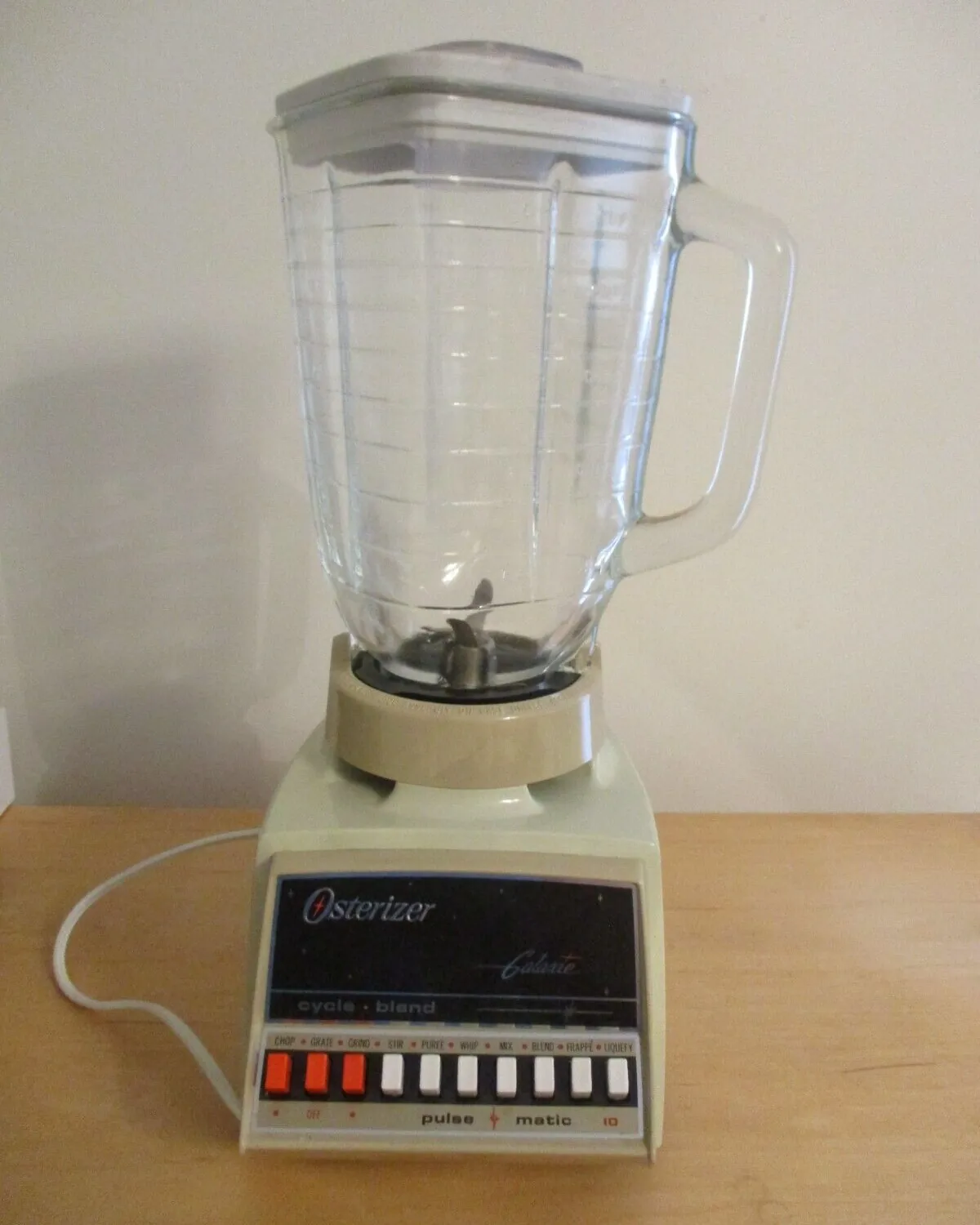
An Osterizer blender is a countertop blender sold under the Oster brand, and “Osterizer” is the name Oster has used for its blending line since the 1940s. It’s a jar, a blade, and a base with a motor — nothing more. Most models run on a single speed or a few speeds, with a glass or plastic jar.
What changes the answer for you: the model (vintage vs. new), the jar material, and whether you’re buying, repairing, or just identifying one. Those three things decide almost everything else on this page.
Who looks up the Osterizer blender
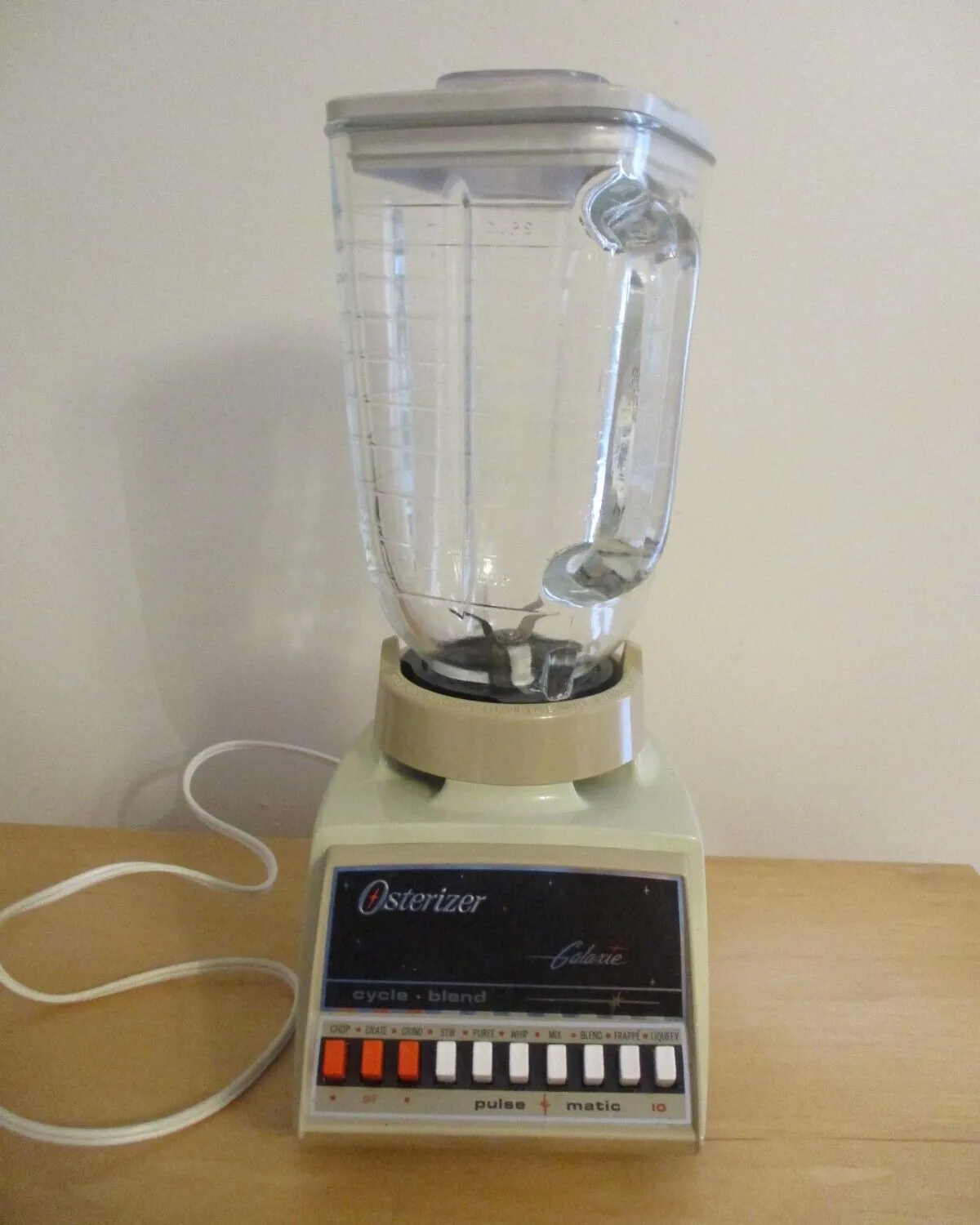
Three kinds of people type this query. The first is someone holding a blender they can’t identify — maybe a hand-me-down, maybe a thrift-store find — and they want to know if “Osterizer” is a brand, a model, or just a nickname. They need a way to read the label and date the thing.
The second is a shopper comparing a new Oster blender against other brands. They’ve seen the word “Osterizer” on a box or a listing and want to know if it means something different from a plain Oster blender. It doesn’t, but the confusion is real.
The third is a repairer. Their Osterizer stopped working and they want to know if parts still exist. Some do; some don’t.
This page serves the first two readers best. If you’re diagnosing a dead motor or a stripped drive socket, you need a repair forum or a technician, not this page.
What actually decides the answer
The age of the unit matters most. Oster has made this line for decades, and older models use a metal drive socket and a heavy base. Newer ones often use plastic couplers. A vintage Osterizer from the 1970s is a different machine from one bought last year, even though both say Osterizer on the front.
Jar material is second. Glass jars are heavy, don’t scratch, and handle hot liquids better than plastic. Plastic jars are lighter and cheaper but cloud over time and stain with tomato or turmeric. Check the bottom of your jar — it usually states the material.
The third thing is the motor rating. Oster publishes wattage on the base plate or in the manual. Higher wattage handles ice and frozen fruit; lower wattage struggles and smells hot. You can read your own number right off the label.
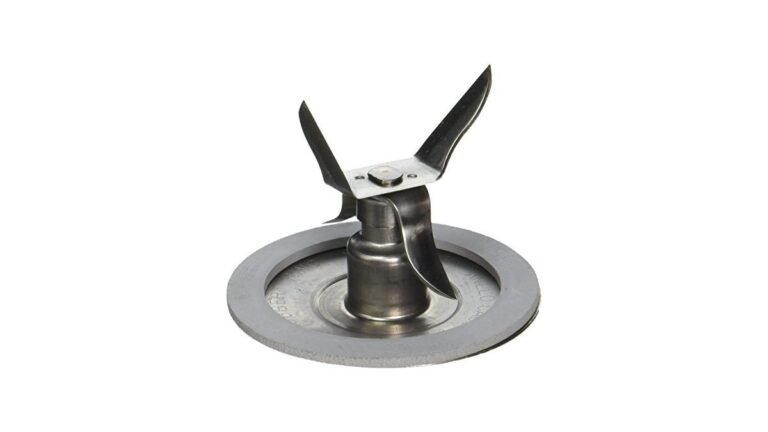
The fourth is the blade assembly. A dull or bent blade won’t crush ice no matter how strong the motor is. Look at the blade from the side — if the tips are rounded or the arms are uneven, that’s your problem.
People get the age question wrong most often. They assume “Osterizer” means vintage, when Oster still uses the name on new blenders today.
How to identify the blender you have
- Turn the blender over and find the base plate. Read the model number stamped or printed there. It’s usually a mix of letters and numbers, and it’s your key to everything else.
- Note the wattage on the same plate. Write it down. If the plate is worn, check the manual or Oster’s own website with your model number.
- Check the jar material. Tap it — glass rings, plastic thuds. Look for a recycling code or the word “glass” molded into the bottom.
- Inspect the blade assembly. Remove the jar, unscrew the collar, and lift the blade out. Bent arms or rounded tips mean replacement.
- Look at the drive socket where the jar meets the base. Metal means older or higher-end; plastic or rubber couplers mean newer or budget.
- Check the cord and plug condition. Cracked insulation or a loose plug means stop and get it checked by a qualified appliance technician.
- Search your model number on Oster’s site. You’ll see if it’s current, discontinued, or still supported with parts.
- Photograph the label before you reassemble. You’ll want it when ordering parts or asking questions online.
The judgement call is whether the machine is worth fixing. If the motor runs and only the blade or jar is worn, replacement parts are cheap and the job is easy. If the motor hums but the blades don’t turn, the coupler or drive socket is stripped — that’s still fixable on many models. If the motor is dead, silent, or smells burnt, stop.
Never open the base housing or touch anything inside. Capacitors in mains-powered appliances can hold a lethal charge even when unplugged. That work belongs to a qualified technician.
Osterizer versions side by side
| Situation | What to do | What it takes | What to watch for |
|---|---|---|---|
| Vintage glass jar, metal base | Keep it, replace worn parts | Low cost, easy | Cracked jar, worn blade |
| New plastic jar model | Use as-is, hand wash jar | Nothing extra | Cloudy jar over time |
| Motor hums, blades still | Replace coupler or socket | Moderate effort | Stripped plastic parts |
| Motor dead or burnt smell | Stop, take to technician | Repair shop cost | Never open the base |
| Buying new today | Compare wattage and jar | 10-15 minutes research | “Osterizer” is just branding |
| Thrift-store find, unknown age | Test with water first | 2 minutes | Cracked jar, frayed cord |
What experienced users do differently
They read the label before anything else
The model number on the base plate tells you the wattage, the jar type, and whether parts still exist. People who skip this step buy the wrong blade or the wrong jar and waste a trip. Two minutes with a flashlight beats guessing.
They keep the jar and blade matched
A jar and blade assembly are designed as a pair. Swapping a blade from a different model can leave a gap, and food leaks into the collar. Experienced users replace both together when one wears out, or buy the exact part number listed for their model.
They leave the motor alone
Everything above the base is yours to clean, swap, and inspect. Everything inside the base is not. A technician has the tools and the training to work safely around a capacitor that can hold a lethal charge even when unplugged. You don’t, and the risk isn’t worth it for a blender.
What goes wrong, and what to do
| What you notice | What it usually means | What to do first | How to stop it happening again |
|---|---|---|---|
| Motor hums, blades don’t spin | Stripped coupler or drive socket | Unplug, remove jar, inspect socket | Don’t overload with frozen blocks |
| Burning smell while running | Motor overheating | Stop, unplug, let it cool | Run in shorter bursts |
| Leak at the jar base | Worn gasket or loose collar | Tighten collar, check gasket | Hand wash, don’t soak the base |
| Jar cloudy or stained | Plastic jar wear | Try a baking soda paste | Switch to glass if you can |
| Loud rattling noise | Loose blade or worn bearing | Check blade seating | Replace blade when tips round |
| Blender won’t start | Power, cord, or switch fault | Check outlet and cord first | Never yank the cord out |
The rules and limits that apply
Oster publishes its own manual and parts list for each model, and that’s the document that governs what you can safely do. Anything about the motor, the wiring, or the switch is technician work — the manual will say so.
Opening the base can void your warranty — check the terms that came with your unit. Check the warranty terms that came with your unit, or Oster’s own support page for your model.
Electrical work on mains-powered appliances is regulated in most countries. If you’re unsure, ask a qualified appliance technician — not a general handyman.
What this really costs you
Identifying an Osterizer is free. You need a flashlight and two minutes.
Replacement parts are where money enters. A new blade assembly or jar costs a fraction of a new blender, but the exact price depends on your model and where you buy it. Check Oster’s own parts page or a major retailer for today’s number — it changes.
A technician repair for a dead motor often costs more than a basic new blender. That’s the trade-off: fix the old one for sentimental or build-quality reasons, or replace it. For most people, replacing wins on cost.
If the machine is vintage and in good shape, repair can be worth it. Those older metal-drive models have a reputation for lasting, and a working one is hard to replace.
Keeping it running afterwards
Wash the jar and blade by hand with warm soapy water and let them air dry. Don’t soak the base or put it in water. Wipe the outside with a damp cloth only.
Check the gasket and collar regularly. A stiff or cracked gasket is the first sign of a leak coming. Replace it before it drips into the base.
Listen to the motor. A new rattle, a slower spin, or a hot smell means stop and inspect. Catching it early is the difference between a cheap part and a dead machine.
Heavy use hardens rubber faster than the calendar suggests.
Never run it past the top line to get a bigger batch done. Overfilling strains the motor and pushes liquid up into the collar, which is where most leaks start.
Back-to-back runs on a hot day are what turn a small rattle into a burnt-out base.
When this page isn’t the right help
If your blender’s motor is dead, smells burnt, or trips your breaker, this page can’t help you fix it. Take it to a qualified appliance technician, or replace it.
If you’re outside the US, warranty terms and parts availability differ. Check Oster’s site for your country, or the retailer you bought from.
If you need a blender for heavy daily use — smoothies for a family, nut butters, hot soups — a basic Osterizer isn’t the right tool. Look at a high-wattage blender built for that load instead.
One more case: if the jar is cracked, the blade assembly is bent, or the base is cracked, stop using it. A damaged jar can let the blade work loose at speed, and no repair guide makes that safe. Replace the part or the whole unit.
If you bought the blender used, or it was a gift with no receipt, the warranty likely won’t apply to you at all. Repair shops can still fix it, but you’ll pay out of pocket, and on a basic Osterizer that bill often runs close to the price of a new one. Ask for an estimate before you leave it.
If your machine is under warranty and the fault is a dead motor or a burnt smell, don’t open the base yourself. Opening it voids the coverage, and that’s the one mistake here that costs you the free replacement.
Frequently asked questions
Is an Osterizer the same as an Oster blender?
Yes. Osterizer is the name Oster uses for its blender line, not a separate brand or a different machine. Any Osterizer is an Oster blender. The name has been in use since the 1940s and still appears on new models today.
Can you still buy an Osterizer blender?
Yes, Oster still sells blenders under the Osterizer name, though not every model carries it. Check Oster’s own website or a major retailer for current stock. Vintage models are sold secondhand on resale sites.
How long do Osterizer blenders last?
It depends on use and model. Vintage metal-drive units from the 1970s often still run today, while newer plastic-coupler models may wear faster with heavy ice crushing. There’s no official lifespan figure — check your manual for your model’s warranty terms.
Is it safe to use an old Osterizer?
Only if the cord, plug, and jar are undamaged. A cracked jar or frayed cord is a real hazard. If the motor smells burnt or the unit trips your breaker, stop using it and have a technician check it. Never open the base yourself.
What’s the difference between Osterizer and Oster?
Nothing meaningful for the buyer. Oster is the company; Osterizer is the blender product name. Older packaging used Osterizer heavily, and newer packaging often just says Oster. Same brand, same ownership.
Why is my Osterizer not spinning?
The most common cause is a stripped coupler or drive socket where the jar meets the base. Unplug it, remove the jar, and look at the plastic or rubber part. If it’s worn or rounded, that’s your answer. A dead motor is a technician job.
Can I put the Osterizer jar in the dishwasher?
Glass jars usually can go on the top rack. Plastic jars and blade assemblies often can’t, because heat warps them. Check your model’s manual — it lists exactly which parts are dishwasher-safe and which aren’t.
Does the wattage matter on an Osterizer?
Yes, for what you blend. Higher wattage handles ice and frozen fruit; lower wattage struggles and overheats. Your wattage is printed on the base plate or in the manual. Match the job to the number you actually have.
Conclusion
Start by flipping your blender over and reading the model number and wattage on the base plate. That one step tells you what you own, what parts fit, and whether it’s worth fixing. If the motor is dead, smells burnt, or the cord is damaged, stop there and take it to a qualified appliance technician — that’s the sign this isn’t a job to finish at home.