Where Can I Buy an Oster Blender Gasket Nearby
You can buy an Oster blender gasket nearby at most big-box stores that stock Oster parts — Walmart, Target, and Bed Bath & Beyond carry them in the small-appliance aisle, and hardware stores like Ace often have a universal fit. If none are close, a replacement gasket from Oster’s own site or an appliance-parts shop ships in 2-5 days.
Three things change that answer: your blender model (the gasket size differs), whether you want an original Oster part or a universal one, and how fast you need it. This page covers each case.
Who needs an Oster blender gasket nearby
Three different people type this title, and they don’t need the same thing. The first owns a standard Osterizer or Oster Pro and just wants an inexpensive rubber ring today — they can walk into Walmart or Target and check the small-parts rack.
The second has an older or less common model and doesn’t know the part number, so they need help matching the gasket to the jar before they buy anything. The third runs a small café or juice bar and needs several gaskets at once, which means a commercial supplier, not a retail shelf.
This page serves the first two best: a single home user who wants one gasket, fast, and isn’t sure which one fits. If you’re the third reader — buying in bulk for a business — a restaurant-supply company or Oster’s commercial parts line will serve you better than any retail store.
The rest of this article assumes you have your blender jar in front of you, or can get the model number off the base.
What decides which gasket you need
The model number on the base is the single biggest factor. Oster has made blenders for decades, and the gasket that seals a classic Osterizer jar isn’t the same as the one in a newer Pro or a glass jar versus a plastic one. Check the label under the base first — that number tells a parts counter exactly what you need.
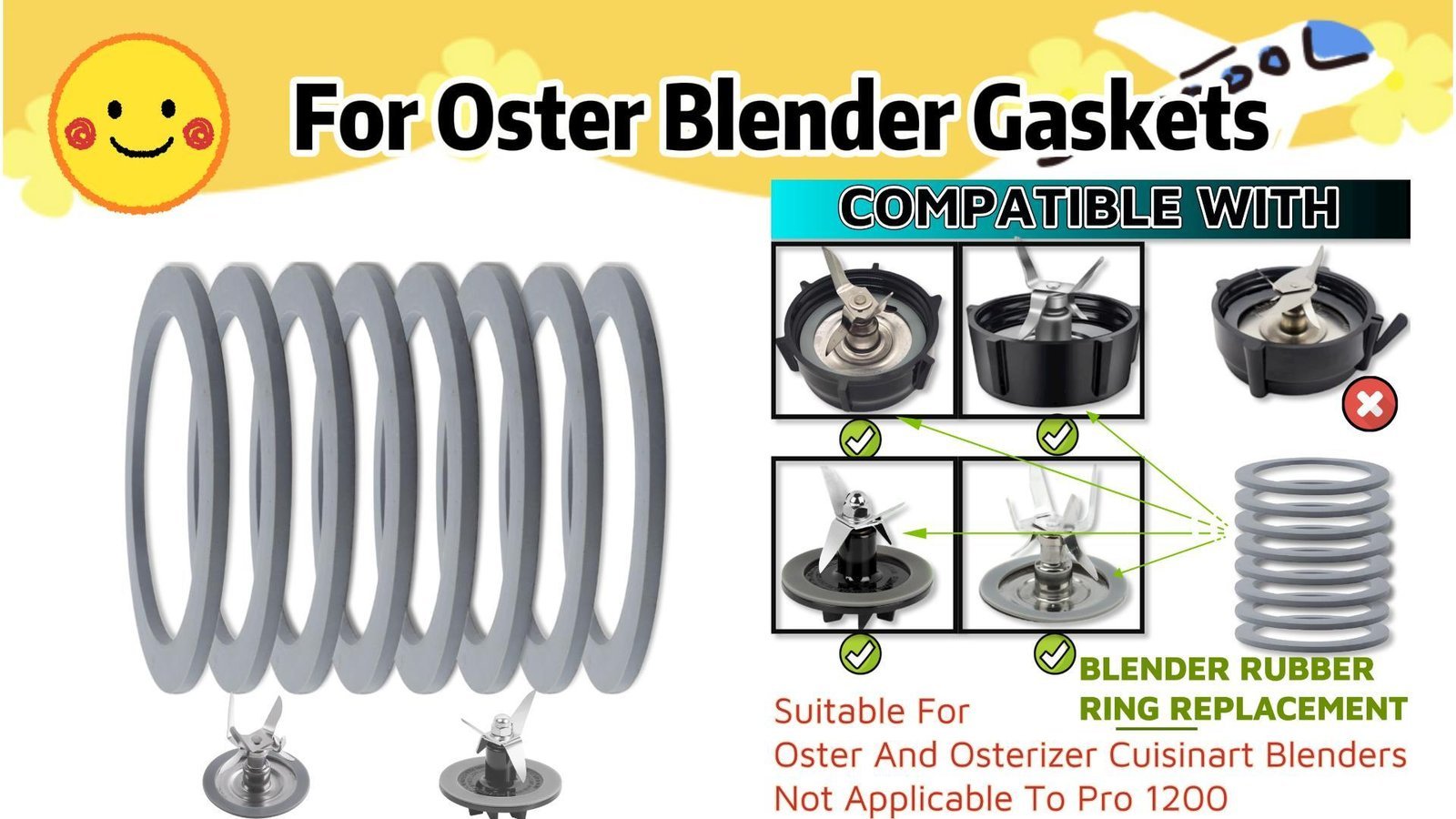
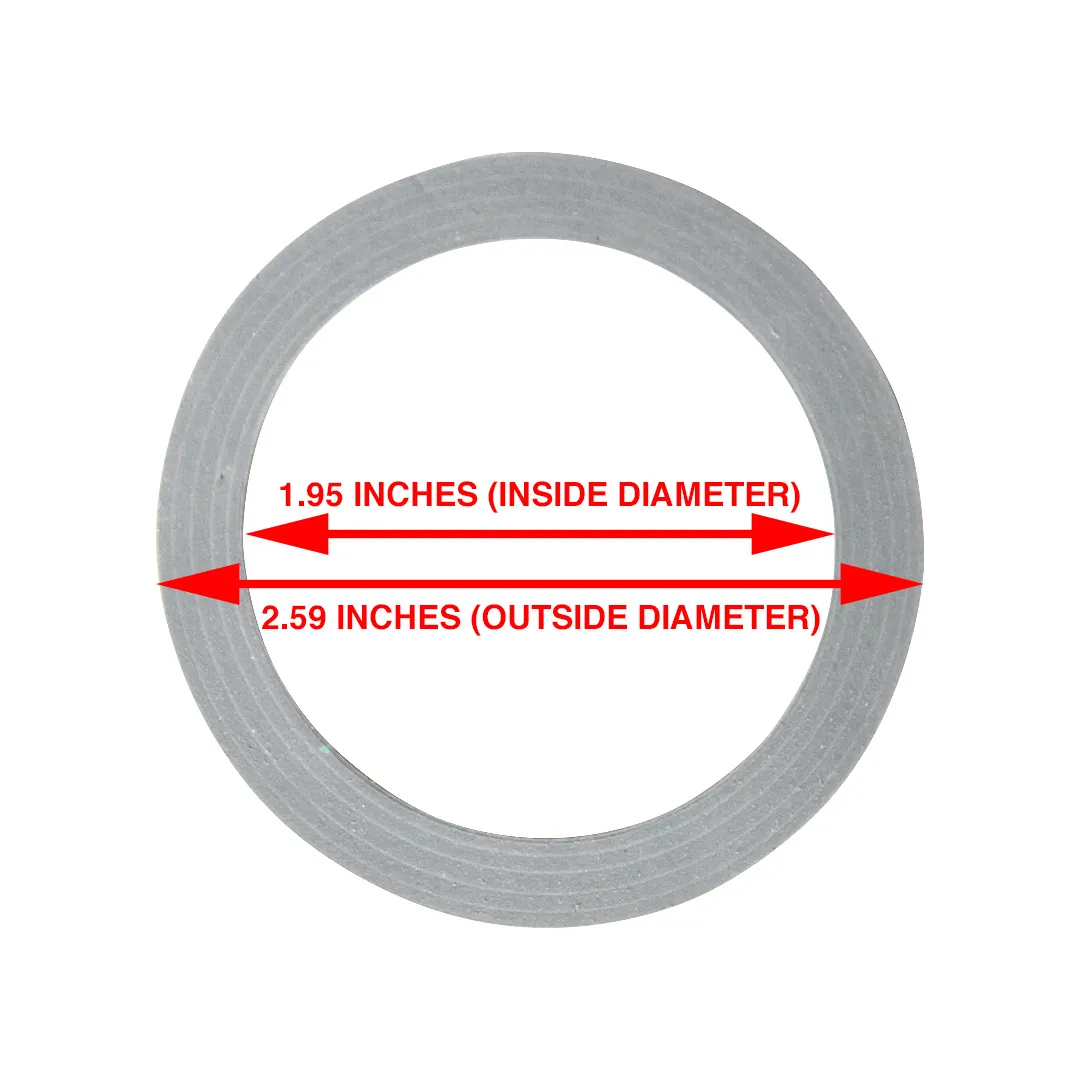
Jar material matters next. Glass jars and plastic jars use different sealing rings on many models, and a gasket that looks right can still leak if it’s cut for the other type. Look at the old gasket’s outer edge: a flat ring and a ridged ring aren’t interchangeable.
Whether you accept a universal part is the third factor. Universal gaskets are sold in multi-packs and fit many Oster jars, but they’re a compromise — they can be slightly thicker or thinner, which changes how tightly the jar seals. An original Oster gasket fits one way.
The fourth thing is how worn your old gasket is. A gasket that’s flattened, cracked, or stretched won’t seal even if the size is correct, so compare the new one against it by feel — the new one should sit proud, not flush.
The mistake people get wrong most often is buying by blender name alone. “Oster” covers hundreds of models, and the name on the front doesn’t tell you the gasket size.
Step by step: finding one nearby today
- Read the model number off the base. Turn the blender over and copy the full number from the label. This is the one detail every store and website needs.
- Check the store’s small-parts aisle first. Walmart and Target keep Oster and universal gaskets near the blenders and replacement jars, not in the hardware section. Look on the bottom shelf.
- Ask the counter to match the number. Give them your model number and ask for the Oster gasket for that model. If they don’t have it, ask for a universal Oster-compatible ring.
- Compare the old gasket to the new one before you pay. Lay them side by side. The new one should match in outer diameter and sit slightly thicker, not thinner.
- If the store is out, check an appliance-parts shop. Local vacuum-and-appliance repair shops often stock Oster parts and can order one in a day or two.
- Order from Oster directly if nothing local fits. Oster’s own parts page lists gaskets by model, and shipping usually runs 2-5 business days.
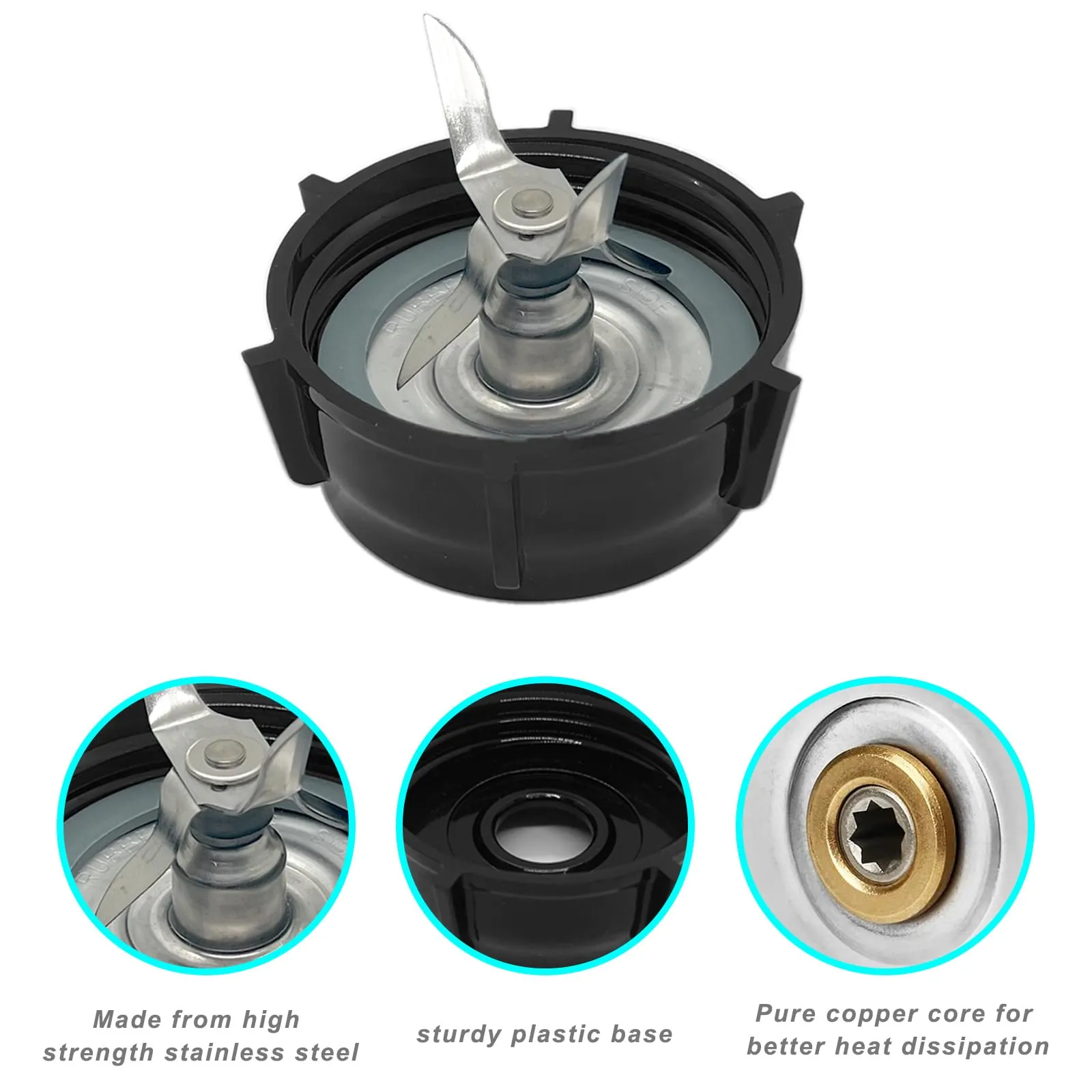
- Fit the new gasket and test with water. Seat it in the jar’s base groove, screw the blade assembly on, fill with 2 cups of water, and run for 10 seconds. No drips means the seal is good.
- If it still leaks, stop and recheck the size. A leaking new gasket usually means the wrong model, not a bad part.
The judgement call that separates a good fix from a leaky one is testing with water before you blend anything thick. Water shows a bad seal in seconds; a smoothie hides it until you’re cleaning up.
The common situations, side by side
Most buyers fall into one of six cases. The table below shows what to do in each, what it takes, and the one thing to watch.
| Your situation | What to do | What it takes | What to watch for |
|---|---|---|---|
| Older or rare model | Order from Oster by model number | 2-5 days shipping | Part discontinued |
| Not sure of the model | Photograph the base label | 5 minutes | Unreadable label |
| Want the cheapest fix | Buy a universal multi-pack | Under $10 | Thicker ring, looser seal |
| Business or café use | Order from a restaurant supplier | Bulk pricing, 3-7 days | Non-Oster fit |
| Jar itself is cracked | Replace the whole jar | Store or online | Gasket won’t fix a crack |
What experienced buyers get right
They match the model, not the brand name
The number on the base is what a parts counter actually uses. “Oster blender gasket” is too broad — Oster has sold hundreds of models, and the gasket dimensions vary between jar types. Write the full model number down before you leave the house, including any letters after the digits. If the label is worn, photograph it in good light and zoom in. A counter can usually work from a clear photo, but not from “it’s a white one.”
They test before they trust
A new gasket that looks correct can still leak if it’s the wrong thickness. Fill the assembled jar with 2 cups of water and run it for 10 seconds over a sink before blending anything else. If water stays in, the seal is good. If it drips, the gasket is the wrong size or seated wrong — fix it before you waste a batch of food.
What goes wrong, and what to do
Most gasket problems trace back to one of a few causes. Match what you see to the row below.
| What you notice | What it usually means | What to do first | How to stop it happening again |
|---|---|---|---|
| Leaks at the base | Gasket worn or wrong size | Replace and water-test | Match model number exactly |
| Gasket won’t stay seated | Stretched or wrong shape | Try a fresh original part | Avoid universal if it slips |
| Blender smells hot | Liquid leaking into motor | Stop, unplug, dry it out | Fix the seal before reuse |
| Gasket cracked | Age and heat | Replace it | Hand-wash, don’t boil |
| New gasket still leaks | Wrong model | Recheck the base label | Buy by number, not name |
| Jar hard to screw on | Gasket too thick | Swap for a thinner original | Avoid thick universal rings |
The rules and limits that apply
There’s no law or safety standard that governs blender gaskets specifically — they’re a wear part, not a regulated item. What matters is the manufacturer’s own spec: Oster publishes the correct gasket for each model on its parts page, and that’s the version to match.
Food-contact rules do apply to the material. A generic rubber ring from a hardware bin isn’t held to the same rule.
The real limit is the motor. If liquid has leaked past the gasket into the base, that’s not a gasket job anymore. Unplug the blender and stop. Water inside a motor housing can cause a shock or a short, and it’s a repair-shop job, not a home fix. Don’t open the base yourself.
What it really costs
A single Oster gasket is cheap — usually a few dollars at a store or online, though the exact price varies by model and seller, so check the store’s own listing for today’s number. A universal multi-pack often costs about the same as one original, which is why some buyers go that route.
The bigger cost is time and risk. Driving to two stores to find the right size can eat an afternoon. Ordering online costs 2-5 days of waiting. Buying the wrong gasket costs you the price plus a return trip, and if it leaks into the motor, you’re looking at a repair or a new blender instead of an inexpensive part.
The things that move the cost down: knowing your model number before you shop, buying an original part the first time, and water-testing before you blend. Each one saves a return trip or a wasted batch.
Keeping the new gasket in good shape
A gasket lasts longer if you treat it like the soft part it is. Don’t boil it or soak it in bleach — heat and harsh chemicals break down the rubber.
The sign it needs attention again is simple: a leak at the base, a gasket that’s flattened or cracked, or a jar that’s suddenly hard to screw on. When you see any of those, replace the gasket rather than tightening harder, which can crack the jar.
You don’t need to replace a gasket on a schedule. Replace it when it shows one of those signs. Keep a spare if you use the blender daily, so a leak doesn’t stop your morning.
When this isn’t the right fix
If the base is cracked or the threads on the jar are stripped, a new gasket won’t help — you need a replacement jar or blade assembly, not a seal. Buy the whole part instead.
If liquid has already reached the motor, stop. That’s a repair-shop job, and opening a mains-powered appliance yourself risks a shock, because a capacitor can hold a charge even when unplugged.
If your blender is a commercial model used all day, a retail gasket won’t last. Go to a restaurant-supply company or Oster’s commercial line for a part rated for that use.
Frequently asked questions
Can I buy an Oster blender gasket at Walmart?
Availability varies by store, so call ahead with your model number or check Walmart’s site for in-store stock before you drive over.
Why can’t I find my Oster gasket in a store?
Older and less common Oster models often aren’t stocked on shelves because stores carry only the fast-moving sizes. Order from Oster’s parts page or a local appliance-parts shop, which can match your model number and order it in a day or two.
How long does it take to get one shipped?
From Oster’s own parts page, shipping usually takes 2-5 business days within the US. A local appliance-parts shop can often get one in 1-2 days if it’s in their warehouse. Times vary by location and stock, so confirm when you order.
Is it safe to use a universal gasket instead of an Oster one?
Usually yes, if it’s sold as food-safe and fits your jar. The risk is fit — a universal ring can be slightly thicker or thinner, which changes how tightly the jar seals. Water-test it before blending anything, and switch to an original if it leaks.
What happens if I keep using a worn gasket?
Liquid leaks past the seal into the base, where it can reach the motor. That can cause a shock risk, a short, or a dead blender. Stop using it and replace the gasket as soon as you notice a leak at the base.
How do I know which gasket fits my model?
Read the full model number off the label under the base and match it to Oster’s parts listing. If the label is worn, photograph it in good light. A parts counter can work from a clear photo but not from the blender’s name alone.
Does the jar material change which gasket I need?
Yes, on many models. Glass jars and plastic jars use different sealing rings, and a gasket cut for one can leak on the other. Compare your old gasket’s outer edge — a flat ring and a ridged ring aren’t interchangeable.
How often should I replace a blender gasket?
There’s no set schedule — replace it when it leaks, cracks, flattens, or the jar becomes hard to screw on. If you blend daily, keeping one spare on hand means a worn seal won’t stop your morning routine.
What to do first
Grab your blender, turn it over, and write down the full model number from the base label. Then check your nearest Walmart or Target parts rack, or order from Oster if nothing local matches. Expect a sealed jar that passes a 10-second water test with no drips. If liquid has already reached the motor, unplug it and take it to a repair shop instead.