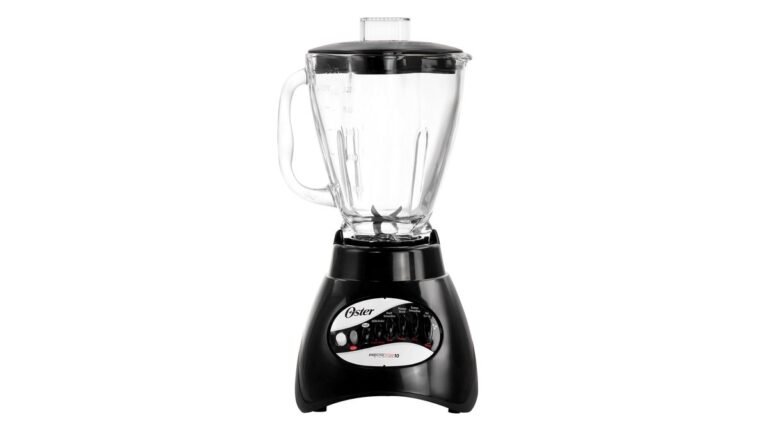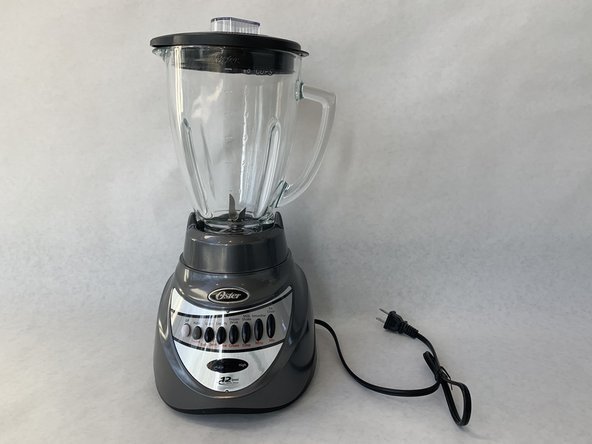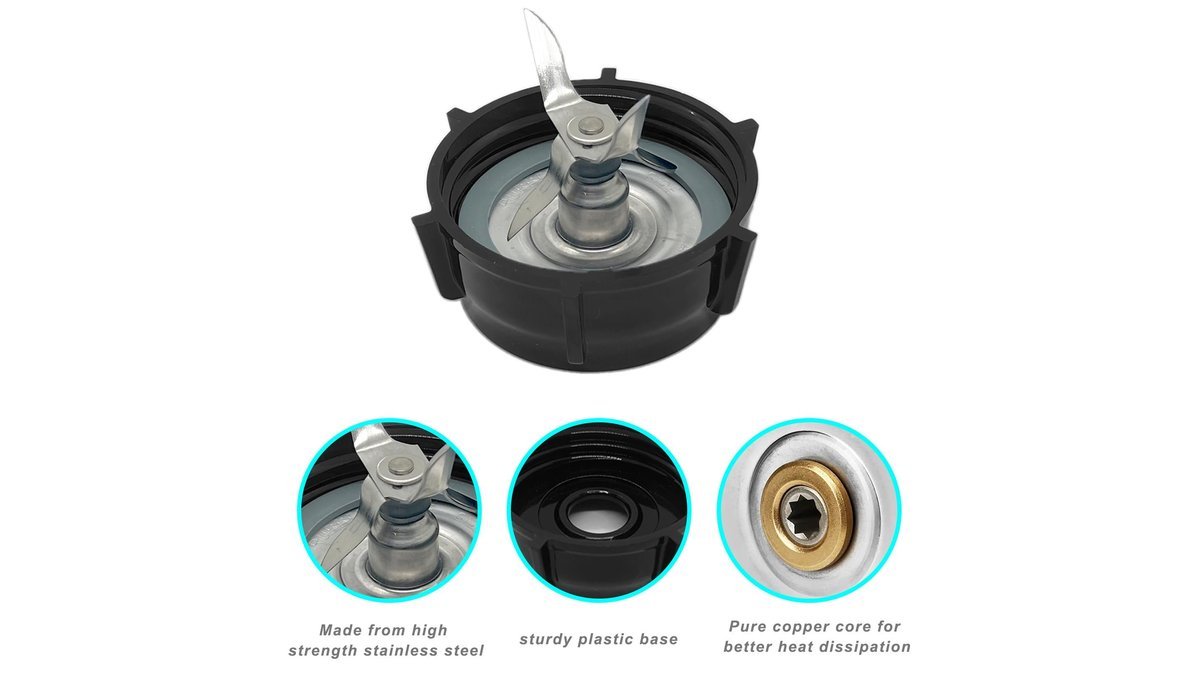
Where Can I Buy Oster Blender Parts and Match the Right One
You can buy Oster blender parts from Oster’s own parts store, from appliance repair shops, and from online marketplaces that stock replacement blades, gaskets and jars. The exact part number printed on your old piece is what decides whether a replacement fits, so find that number before you pay for anything.
Three things change the answer for you: your blender’s model number, which part failed, and whether Oster still makes that part. This page covers where to look for each of those cases, what a part really costs you, and when replacing the whole blender beats hunting for a spare.
Who should buy Oster blender parts
The people who type this title fall into three groups, and they need different things. The first owns a working Oster motor base with one dead part — a cracked jar, a worn blade, a leaking gasket — and wants to keep the machine.
The second has a blender that’s maybe 10 or 15 years old and can’t find the model number anywhere on it. The third is deciding between a replacement part and a new blender and wants to know which is smarter, since the part is inexpensive relative to the alternative.
This page serves the first group best. If your base still runs and only one piece has failed, a replacement part is usually the cheapest way back to a working blender. The assumption the rest of this page makes is that you can find your model number — it’s on a sticker on the bottom of the base, or stamped on the jar’s collar.
If your motor is dead, or the base smells burnt, or the blade spins but the jar leaks from the base itself, this page isn’t for you. Those are motor and housing problems, and no replacement jar or blade fixes them. Read about new blenders instead. If your machine is under warranty, contact Oster first — opening or replacing parts yourself may void it.
What actually decides whether a part fits
The model number is the single biggest factor, and it’s the one people skip. Oster has sold dozens of blender lines over the years — the Classic Series, the Pro, the Beehive, the Versa — and their jars, blades and gaskets aren’t interchangeable. A blade that fits a 5-cup glass jar won’t fit a 6-cup plastic one. Write your model number down before you search, because every parts page asks for it first.
The second factor is which part failed. Jars, blades, gaskets and lids are the common replacements, and they’re the easiest to find. Switches, speed dials and motor brushes are harder — often out of production for older models. If the failed part is inside the base, that’s a different search.
Third is whether Oster still makes that part. Popular current models have parts in stock for years. Discontinued models get harder to source as time passes, and the aftermarket dries up first. You can check availability on Oster’s own parts page by entering your model number.
The fourth is jar size and material. A 5-cup glass jar and a 6-cup plastic jar take different blades and different gaskets, even on the same base. Match the size and the material, not just the brand.
The mistake people make most often is buying by photo. A blade looks identical in a listing photo and arrives with the wrong thread. Check the part number, not the picture.
Step by step: finding and fitting the right part
Find your model number. Turn the base upside down and read the sticker on the bottom. It’s usually a short string of letters and numbers. Write it down exactly — one wrong digit sends you to the wrong parts page. If the sticker is worn, check the manual or Oster’s website.
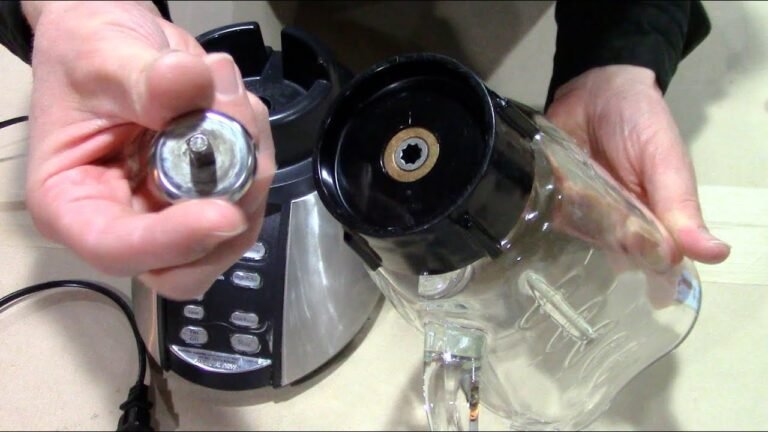
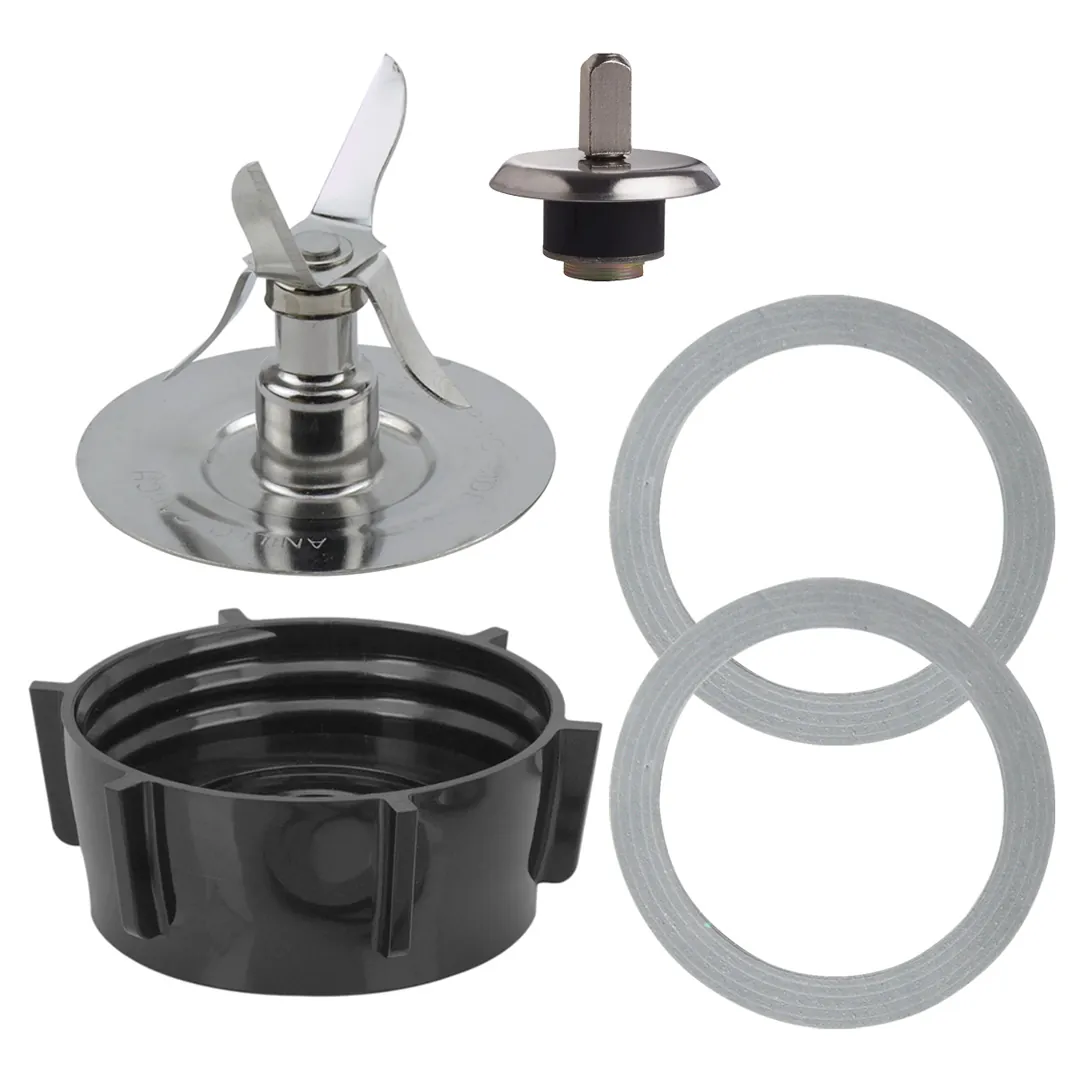
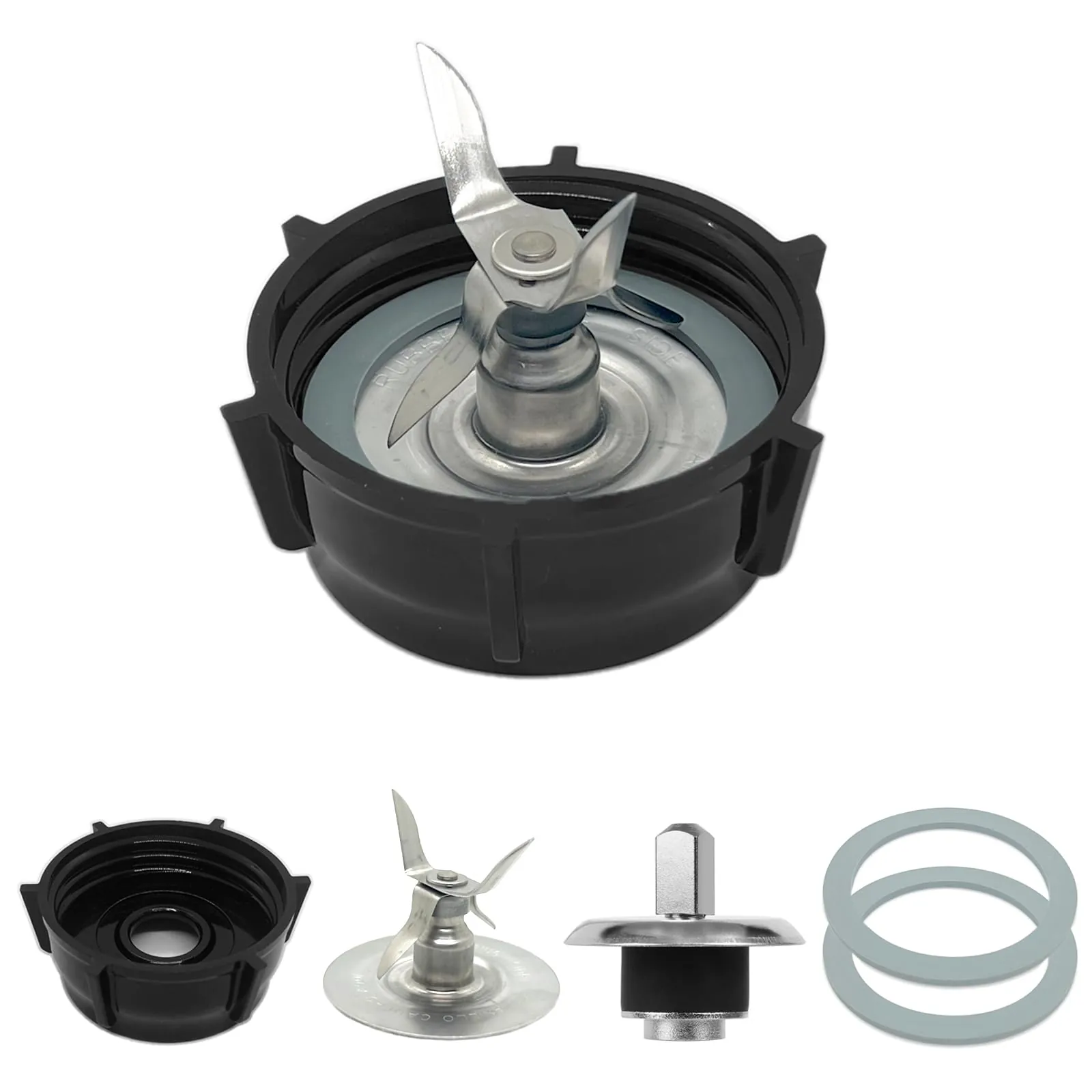
Identify the failed part by name. Look at what’s actually broken: the jar, the blade assembly, the gasket (the rubber ring under the blade), the lid, or the base collar. Say the name out loud, then search for that word plus your model number.
Read the part number off the old piece. Most Oster blades and gaskets have a small number molded into the plastic or stamped on the metal. That number is the most reliable thing you have. If it’s gone, measure the diameter of the blade in inches and note it.
Search Oster’s own parts store first. Go to Oster’s website, find the parts or accessories section, and enter your model number. This is the only place guaranteed to sell you a part made for your machine. If it’s in stock, buy it here.
Check a repair shop if Oster is out of stock. Local appliance repair shops and online parts dealers often hold old stock. Call and give them the model number and part number. Ask them to confirm it fits before you pay.
Compare the listing’s part number to yours, digit by digit. On any marketplace listing, the part number must match exactly. If the listing doesn’t show a part number, ask the seller before buying. No number, no purchase.
Check the return policy before you order. A part that doesn’t fit is only cheap if you can send it back. Look for a return window of at least 30 days and read whether return shipping is on you.
Fit the part and test with water only. Fill the jar halfway with water and run it for 10 seconds on low. If it spins smoothly and doesn’t leak at the base, the fit is right. If it wobbles or drips, stop and check the gasket seating.
The judgement call that separates a proper repair from a quick fix is the gasket. A new blade with an old, flattened gasket will leak within a week. Replace the gasket every time you replace the blade — it costs a few dollars and saves you a second teardown.
If your base needs internal work — a switch, a speed control, or anything behind the housing — stop here. That’s technician work, and the capacitor inside a blender base can hold a dangerous charge even when unplugged. Take it to a repair shop or replace the blender.
The variations you’ll run into
Most people arrive at one of a handful of situations, and the right move is different for each. Here’s the short version.
| Your situation | What to do | What it takes | What to watch for |
|---|---|---|---|
| Current model, common part | Buy from Oster’s parts store | 5 minutes online | Confirm model number first |
| Old model, Oster out of stock | Call local repair shops | A few phone calls | Ask for the part number |
| Jar cracked, base fine | Buy a replacement jar | 10 minutes to fit | Match cup size and material |
| Blade dull, jar fine | Replace blade and gasket | 15 minutes to fit | Gasket must be new too |
| Base not working | Repair shop or new blender | Days, real money | Don’t open the housing |
| Under warranty | Contact Oster support | A support ticket | Self-repair may void it |
| Can’t find model number | Check manual or Oster site | 10 minutes | Photo the sticker first |
What experienced buyers get right
They match by part number, not by photo
A blade that looks identical in a listing photo can have a different thread or a different diameter. Experienced buyers read the part number off the old piece and match it digit for digit before they pay. If a listing shows no part number, they move on. That one habit prevents most wrong-part purchases and the return shipping that follows.
They replace the gasket with the blade
The rubber gasket under the blade flattens over time and stops sealing. A new blade on a dead gasket leaks within days. Experienced buyers order both at once, fit both, and test with water before they blend anything thick. Beginners often skip the gasket, then blame the new blade when the jar drips.
They stop at the housing
The line between a do-it-yourself job and a technician job is the base housing. Jars, blades, gaskets and lids are user-replaceable. Anything inside the base — switches, wiring, the motor — is not, and the capacitor can hold a charge even unplugged. Experienced buyers don’t open the housing. They take it to a shop or buy a new blender.
What goes wrong, and the fix
Here’s the short version of what people run into, and what to do about it.
| What you notice | What it usually means | What to do first | How to stop it happening again |
|---|---|---|---|
| New blade wobbles | Wrong thread or diameter | Check part number against old one | Match by number, not photo |
| Jar leaks at the base | Old gasket, not seated | Replace gasket, reseat it | Fit a new gasket with every blade |
| Blade won’t screw on | Wrong model fit | Compare thread to old blade | Confirm model number first |
| Part arrives and doesn’t fit | Bought by photo | Return within the window | Ask seller for part number first |
| Base smells burnt | Motor or wiring fault | Stop using it, get it checked | Don’t run it dry or overloaded |
| Lid won’t seal | Wrong lid for the jar size | Match lid to cup size | Note jar size when you order |
The rules that decide what’s allowed
Warranty is the first rule that matters. If your Oster blender is still under its manufacturer’s warranty, replacing parts yourself may void the coverage. Contact Oster support before you touch anything, and let them handle it. The warranty terms are printed in your manual and on Oster’s website under the support section.
The second rule is safety. Anything inside the base housing — switches, wiring, the motor, the capacitor — isn’t a user-serviceable part. A capacitor can hold a lethal charge even when the blender is unplugged. That work belongs to a qualified appliance technician, not a home repair.
The third rule is electrical. If your blender trips a breaker, gets hot, or smells burnt, unplug it and stop. Don’t keep running it to see if it clears up. Take it to a repair shop or replace it.
What it really costs you
The honest answer is that a replacement part costs a fraction of a new blender, but the exact figure depends on the part and the model. A gasket is the cheapest piece, a blade is a little more, and a full jar assembly is the priciest of the common parts.
Prices shift with the model and the seller, so check Oster’s parts page and a marketplace listing side by side for today’s numbers rather than trusting a figure from a blog.
What moves the cost up: discontinued models, glass jars instead of plastic, and rush shipping. What moves it down: buying the gasket and blade together, ordering from Oster directly instead of a reseller, and checking a local repair shop’s old stock before you pay online.
The cost you don’t see is time. Hunting for a discontinued part can take a week of phone calls. If your blender is old enough that the part is out of production, the math often favors a new blender — but check the part price first, because sometimes it’s still cheap and easy.
Keeping the repair working
Once the new part is in, the repair holds up if you treat the blender the way the manual says. Don’t run it dry, don’t overload the jar past the max line, and don’t put the blade assembly in the dishwasher unless the manual says it’s dishwasher safe. Heat and detergent shorten a gasket’s life.
The sign that the gasket needs attention again is a slow drip at the base of the jar after a blend. When you see it, replace the gasket — you don’t need to replace the blade or the jar. It’s a two-minute job.
Keep your model number and the part numbers you’ve bought written down somewhere. The next time something fails, you’ll skip the whole search. If you kept the receipt, keep that too — it helps if a part fails early.
When replacing the part is the wrong move
If your blender’s motor is dead, or the base smells burnt, or it trips the breaker, a new blade or jar won’t fix it. Those are base problems, and the fix is a repair shop or a new blender. Don’t spend money on a jar for a machine that won’t spin.
If your blender is under warranty, don’t buy parts at all. Contact Oster support and let them handle it. Self-repair may void the coverage, and you’d be paying for something they’d fix for free.
If the model is discontinued and the part is out of production everywhere you’ve checked, stop hunting. Put the money toward a new blender instead. And if the failed part is inside the base housing — a switch, the wiring, the motor — that’s technician work. Take it to a qualified appliance repair shop.
Frequently asked questions
Can I buy Oster blender parts directly from Oster?
Yes. Oster sells replacement jars, blades, gaskets and lids through its own website’s parts section. Enter your model number to see what’s in stock for your machine. This is the only source guaranteed to sell parts made for your exact model.
Why can’t I find the part for my old Oster blender?
Oster stops making parts for discontinued models over time, and aftermarket sellers run out too. Check Oster’s site first, then call local repair shops for old stock. If nobody has it, the part is out of production and a new blender is the practical answer.
How long does shipping take for a replacement part?
It depends on the seller. Oster’s own store usually ships within a few business days, and marketplace sellers vary widely. Check the estimated delivery date on the listing before you order, and pick a seller with a return window of at least 30 days.
Is it safe to replace the blade and gasket myself?
Yes, blades, gaskets, jars and lids are user-replaceable. Unplug the base first, then swap the part. Anything inside the base housing — switches, wiring, the motor — isn’t safe to open, because the capacitor can hold a lethal charge even unplugged.
What happens if I buy the wrong part?
You’ll usually be able to return it if the seller offers a return window. Check that window before you buy, and confirm the part number matches yours digit for digit. A part bought by photo alone is the most common wrong purchase.
Does it matter which jar size I order?
Yes. A 5-cup jar and a 6-cup jar take different blades and gaskets, even on the same base. Match the cup size and the material — glass or plastic — to your old jar. The size is usually printed on the jar or its collar.
How do I find my Oster blender’s model number?
Look at the sticker on the bottom of the base. It’s usually a short string of letters and numbers. If the sticker is worn, check your manual or Oster’s website. Write it down before you search for parts.
Can I use a part from a different Oster model?
Only if the part number matches exactly. Oster jars, blades and gaskets aren’t interchangeable across model lines, even when they look similar. Match by part number, not by photo or by brand name alone.
Start with the model number
Find your model number first, then the part number on the broken piece, and search Oster’s own parts store before anywhere else. Expect a part that fits and a blender that runs like it did before — you’ll know it’s right when it spins smoothly with no drip at the base. If the base smells burnt, trips a breaker, or won’t spin at all, stop and take it to a qualified repair shop instead.