Where To Buy Oster Blender Parts: 5 Trusted Sources
You can buy Oster blender parts from Oster’s own website, from the parts aisle at Walmart and Target, from appliance repair shops, and from Amazon and eBay sellers. Oster’s official store carries the widest range of genuine parts, and it’s the safest first stop for anything that touches the motor.
Three things change which seller is right for you: which part broke, whether your blender is still under warranty, and whether you want a genuine Oster part or a cheaper compatible one. This page covers all three, plus the signs that mean you should stop repairing and replace the whole unit instead.
Who’s shopping for Oster blender parts
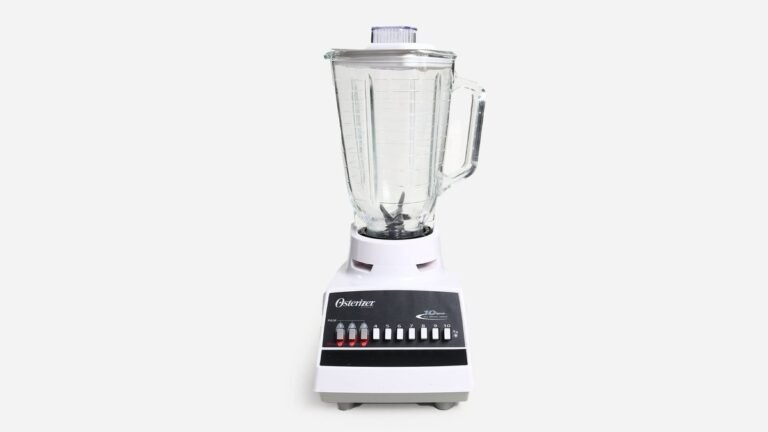
Three kinds of people type this search, and they need very different answers. The first owns a classic Osterizer or a Beehive model from the 1970s or 80s — the motor still runs, the jar cracked, and they want to keep the machine alive because it’s built like a tank. The second has a modern Oster blender bought in the last few years, and a plastic part snapped: the collar, the lid, or the blade base.
The third group is repairing blenders for resale or for a small kitchen. They buy in small batches and care about price per unit, not brand loyalty.
This page serves the first two groups best. If you’re repairing for resale at volume, you’ll want a wholesale account with a parts distributor instead — the retail channels here will eat your margin.
The rest of this page assumes one thing: your blender’s motor still works. If the motor is dead, the part you need costs more than a new blender, and no seller listed here changes that.
What decides which part you can buy
The model number is the single biggest factor, and it’s the one people skip. Oster has made hundreds of blender models since the 1940s, and parts that look identical often aren’t. Your model number sits on a plate or sticker under the base, or on the back of the motor housing. Write it down before you search anything.
Jar size comes second. Oster jars come in 5-cup and 6-cup sizes, and the lids and blades don’t swap between them. Measure your jar across the top if the label is gone.
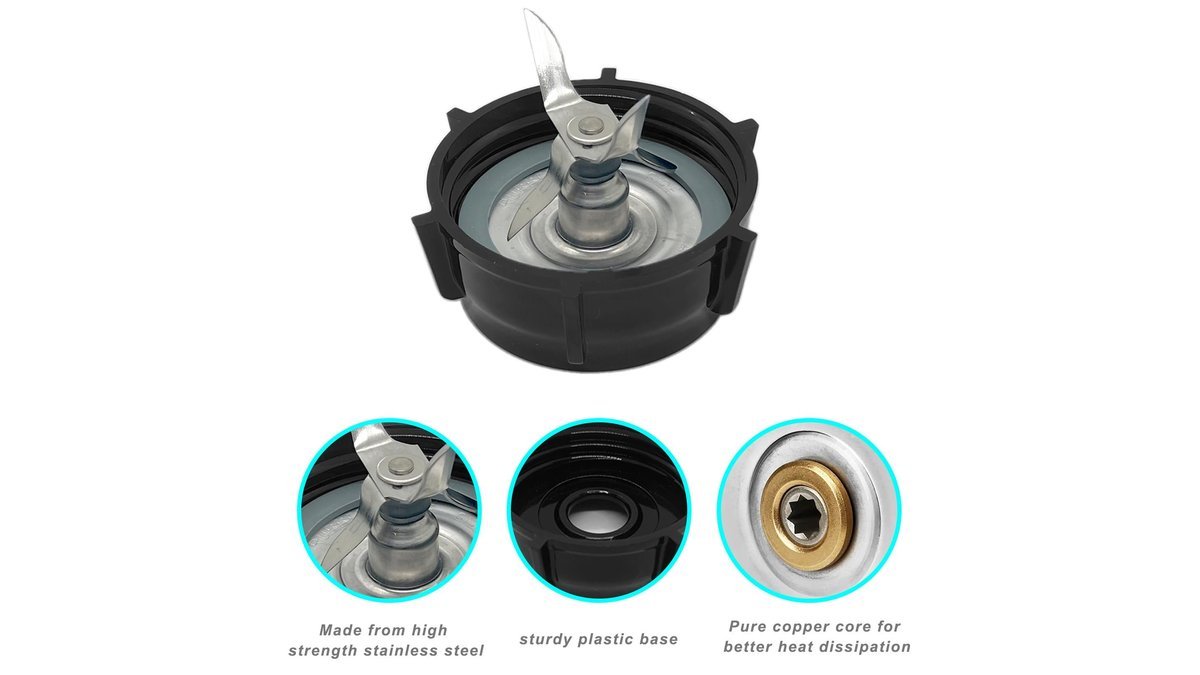
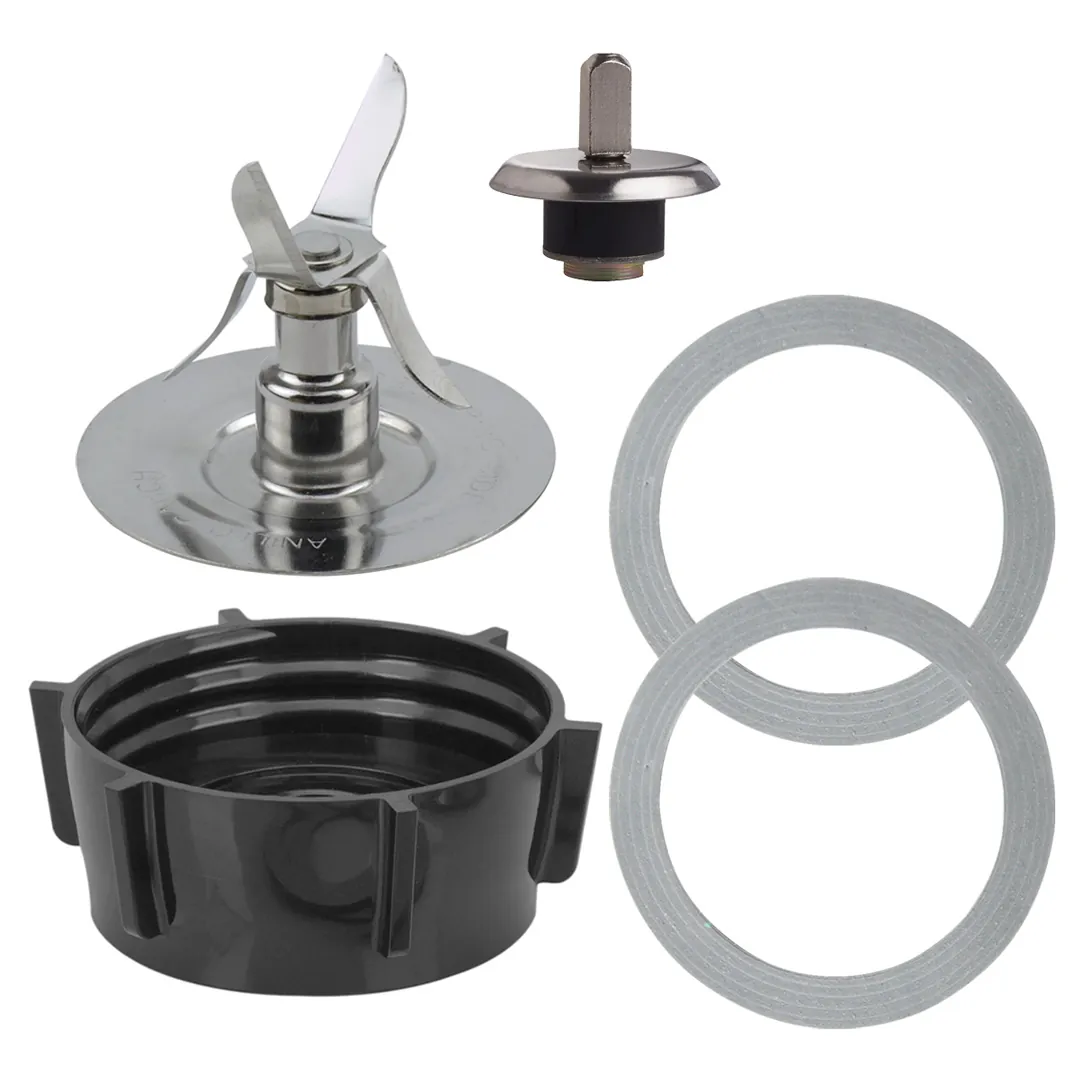
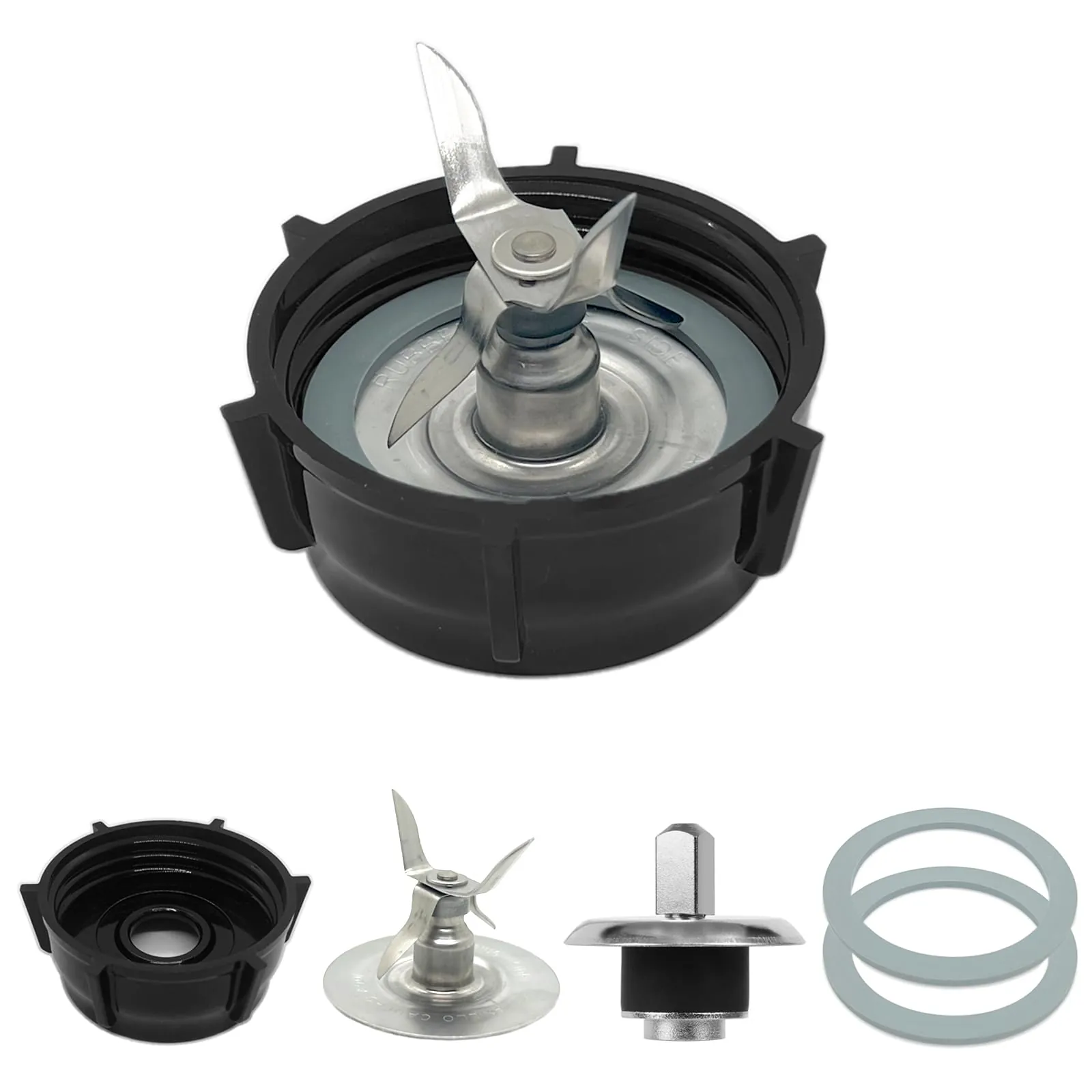
Blade type is third. Older Osterizers use a four-blade assembly with a removable rubber gasket. Newer models often use a sealed blade base you replace as one unit. The gasket alone costs a couple of dollars; the full base costs more. Look at yours before ordering.
Then there’s the motor shaft fitting. Some blades screw on, some push on and lock. Count the splines or threads on your shaft if you’re unsure.
The mistake people make most often is ordering by photo. A blade that looks right in a listing photo can be a millimeter off, and it’ll wobble or leak. Check the model number against the seller’s compatibility list every time.
Step by step: finding and fitting the right part
- Find your model number. Look under the base or on the back of the motor housing. Write down every character, including letters. This number decides everything that follows.
- Identify the broken part by name. “Blade,” “gasket,” “jar,” “lid,” “collar,” “base,” and “drive coupling” are the standard terms. Sellers search on these words, so using the right one saves you time.
- Check the warranty first. Oster’s standard blender warranty runs one year for most models, longer for some. Read your model’s page on Oster’s site, because terms differ. If you’re inside the window, a free replacement beats buying anything.
- Search Oster’s official parts page. Enter the model number. If the part shows up, buy it there — you’ll get the genuine item and a return path.
- Compare against one retailer. Walmart and Target both stock common Oster parts online. Check the price and the shipping time against Oster’s own store.
- Read the compatibility list, not the photo. A listing that doesn’t name your model number is a gamble. Skip it unless the seller accepts returns.
- Order one spare gasket with any blade. The rubber gasket wears out before the blade does, and it costs very little. Having one on hand saves a second order.
- Fit the part with the jar off the base. Screw or press the blade assembly on by hand until it seats fully. If it needs force, it’s the wrong part — stop.
- Run a water test before blending food. Fill the jar halfway with warm water and run it for 10 seconds. No leaks at the base means the seal is seated.
- Check the lid lock. Press the lid down and twist until it clicks or seats flush. A lid that sits proud will pop off mid-blend.
The judgement call that separates a proper fix from a temporary one is the gasket. If you reuse an old, flattened gasket with a new blade, it’ll leak within a few uses and you’ll blame the blade. Replace both at the same time.
If your blender’s motor sparks, smells burnt, or trips your breaker, stop. That’s technician work, not a parts swap, and a capacitor inside can hold a dangerous charge even when unplugged.
The common situations, side by side
| Your situation | What to do | What it takes | What to watch for |
|---|---|---|---|
| Part broke within warranty | Claim through Oster | Proof of purchase | Terms differ by model |
| Classic Osterizer, cracked jar | Buy a replacement jar | Match the cup size | Lid sold separately |
| Blade spins but leaks | Replace blade and gasket | Both parts together | Old gasket won’t reseal |
| Plastic collar cracked | Order the collar only | Check thread type | Some models are sealed units |
| Motor runs, nothing spins | Check the drive coupling | Cheap part, easy swap | Worn coupling strips splines |
| Motor dead or sparking | Stop and replace the blender | Cost vs. new unit | Not a DIY repair |
| Vintage model, no parts listed | Try repair shops and forums | Time and luck | Compatibility is guesswork |
What careful buyers do differently
They buy the gasket with the blade
The rubber gasket flattens over time and stops sealing, even when the blade itself is fine. Anyone who’s replaced a blade and skipped the gasket ends up with a leak within a few uses. Order both, fit both, and the jar seals properly the first time. The gasket costs a fraction of the blade, so there’s no reason to skip it.
They check the model number against the listing twice
A listing that names your exact model number is safe. One that says “fits most Oster blenders” isn’t. Careful buyers copy their model number into the seller’s search box and confirm it appears in the compatibility list before paying. That one check prevents most wrong-part orders and the return shipping that follows.
They leave the motor alone
Once you’ve confirmed the motor runs, everything else is a swap you can do by hand. Opening the base to “check the brushes” or “clean the windings” is where people break a working blender. The parts that fail are almost always outside the housing: jar, lid, blade, gasket, collar, coupling. Stay outside.
What goes wrong, and the first fix
| What you notice | What it usually means | What to do first | How to stop it happening again |
|---|---|---|---|
| Liquid leaks at the base | Gasket flattened or missing | Replace blade and gasket | Change the gasket with the blade |
| Blade wobbles in use | Wrong part or worn coupling | Check model number match | Buy by model, not photo |
| Lid pops off mid-blend | Lid not seated or wrong size | Twist until flush | Match lid to jar size |
| Blender hums, jar still | Drive coupling stripped | Replace the coupling | Don’t overfill the jar |
| New part won’t fit | Wrong jar size or thread | Measure and reorder | Measure the jar first |
| Burning smell from base | Motor or wiring fault | Unplug and stop | Technician work only |
| Order arrived wrong | Listing compatibility was vague | Return and reorder | Buy where model is listed |
The rules that protect your money
Oster publishes its warranty terms by model on its own site, and the standard coverage for most blenders is one year from purchase. Some models carry longer terms, so read your model’s page rather than assuming. Keep your receipt — without proof of purchase, a warranty claim usually fails.
In the US, the Magnuson-Moss Warranty Act means a manufacturer can’t void your warranty just because you used a third-party part, unless the manufacturer proves the part caused the damage. That protects you if you fit a compatible blade or gasket.
Consumer protection law differs by country. In the EU and UK, retailers carry legal responsibility for faulty goods for a set period, separate from any manufacturer warranty. Check your national consumer body’s site for your version.
One line to hold: if the repair needs the motor housing opened, that’s licensed technician work. Capacitors inside can hold a lethal charge even with the cord unplugged.
What this really costs you
A new gasket is the cheapest part here — a few dollars. A blade assembly, a lid, or a plastic collar usually runs somewhere in the low tens of dollars. A full replacement jar sits at the top of that range, and shipping often adds a few dollars more.
Those ranges assume a common current model. Vintage Osterizer parts are a different market: prices swing with supply, and a rare jar can cost more than a new blender. Check sold listings on eBay to see what your exact part actually goes for this month.
The bigger cost is getting it wrong. A wrong part means return shipping, a second wait, and sometimes a restocking fee. Buying by model number instead of by photo is what keeps that cost at zero.
If a replacement part costs more than half the price of a new blender of the same size, buy the new one. That’s the honest break-even point, and it moves with whatever the current sale price is.
Keeping the new part working
Fit the gasket dry, with no oil or grease, and seat it flat in the groove before you screw the blade down. A gasket that’s pinched on one side will leak within days. Run the water test again after the first week of use to confirm it’s still sealed.
The sign that a gasket needs attention is a thin film of liquid under the jar after blending, or a slight wobble in the blade when you spin it by hand. Catch it there and a cheap gasket fixes it. Let it run and the leak reaches the motor base.
Wash the blade assembly by hand if your model’s manual says the blade isn’t dishwasher safe — heat and detergent shorten gasket life. Check your manual, since this varies by model.
Keep the receipt and the part’s packaging until you’ve run the blender a few times. If it’s wrong, that’s your return path.
When buying a part is the wrong move
If the motor is dead, sparking, or tripping your breaker, don’t buy parts. A motor repair or replacement usually costs more than a new blender, and it’s technician work. Replace the unit.
If your blender is a rare vintage model and the part you need isn’t listed anywhere, a parts hunt can take months with no guarantee. Buy a working used blender of the same model instead and keep yours for spares.
If you’re repairing several blenders to resell, retail channels will kill your margin. Open a wholesale account with an appliance parts distributor, or buy broken units in bulk and harvest parts.
And if you’re inside the warranty window, don’t buy anything at all — claim it. Paying for a part you’re owed for free is the most common waste in this whole process.
Frequently asked questions
Can I buy Oster blender parts directly from Oster?
Yes. Oster’s official website sells replacement jars, blades, lids, gaskets, and collars for many current models. Enter your model number on their parts page to see what’s in stock. For older discontinued models, you’ll usually need a third-party seller instead.
Why can’t I find my Oster blender model’s parts anywhere?
Discontinued models lose parts support over time, and vintage Osterizers from the 1970s and 80s often have no official listings left. Try eBay sold listings, appliance repair shops, and blender collector forums. If nothing turns up within a few weeks, a used working unit is the practical answer.
How long does shipping take for Oster parts?
It depends on the seller, not the part. Oster’s own store typically ships within a few business days, and Walmart or Target orders arrive on their standard schedule, usually 2 to 5 days. eBay sellers vary widely — check the listed handling time before you pay.
Is it safe to use a non-genuine Oster blade?
Usually yes, if it fits your model properly and seats without force. Under the Magnuson-Moss Warranty Act, a manufacturer can’t void your warranty just for using a third-party part unless it proves the part caused the damage. Test any new blade with water before blending food.
What happens if I fit the wrong blade?
It’ll wobble, leak, or fail to seat on the motor shaft. Running it anyway can damage the drive coupling, which turns a cheap fix into a bigger one. Stop as soon as it doesn’t seat by hand, and check the model number against the listing again.
Does it matter which jar size I order?
Yes. Oster jars come in 5-cup and 6-cup sizes, and lids and blades don’t swap between them. Measure your jar across the top if the label is gone, and match that measurement to the listing before ordering.
How often should I replace the gasket?
There’s no fixed schedule — replace it whenever you replace the blade, or sooner if you see liquid under the jar after blending. The gasket is the first part to wear out on any Oster blender, and it’s the cheapest to fix.
Can I repair the motor myself?
No. Opening the motor housing means working near a capacitor that can hold a lethal charge even when the blender is unplugged. Take it to a qualified appliance technician, or replace the blender if the repair quote is high.
Start with your model number
Write down your blender’s model number before you search anything else — that one step decides whether you get the right part the first time. Expect a genuine part to arrive within a few days and to seat by hand with no force, and confirm it with a 10-second water test before you blend food. If the motor sparks, smells burnt, or trips your breaker, stop and take it to a technician.