Is Nutribullet the Same as Magic Bullet? Key Differences
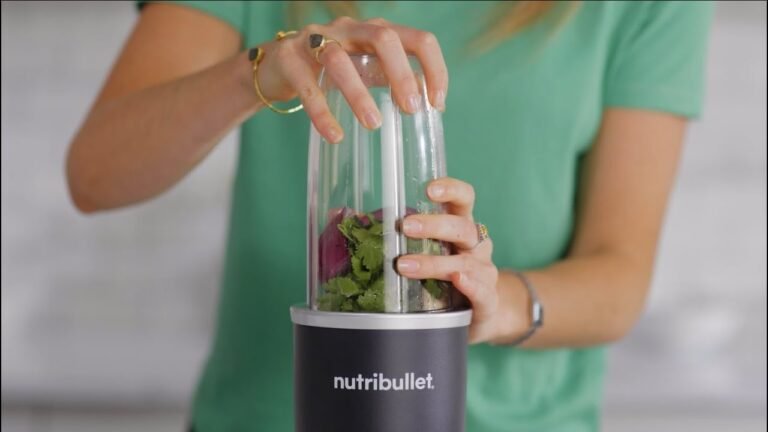
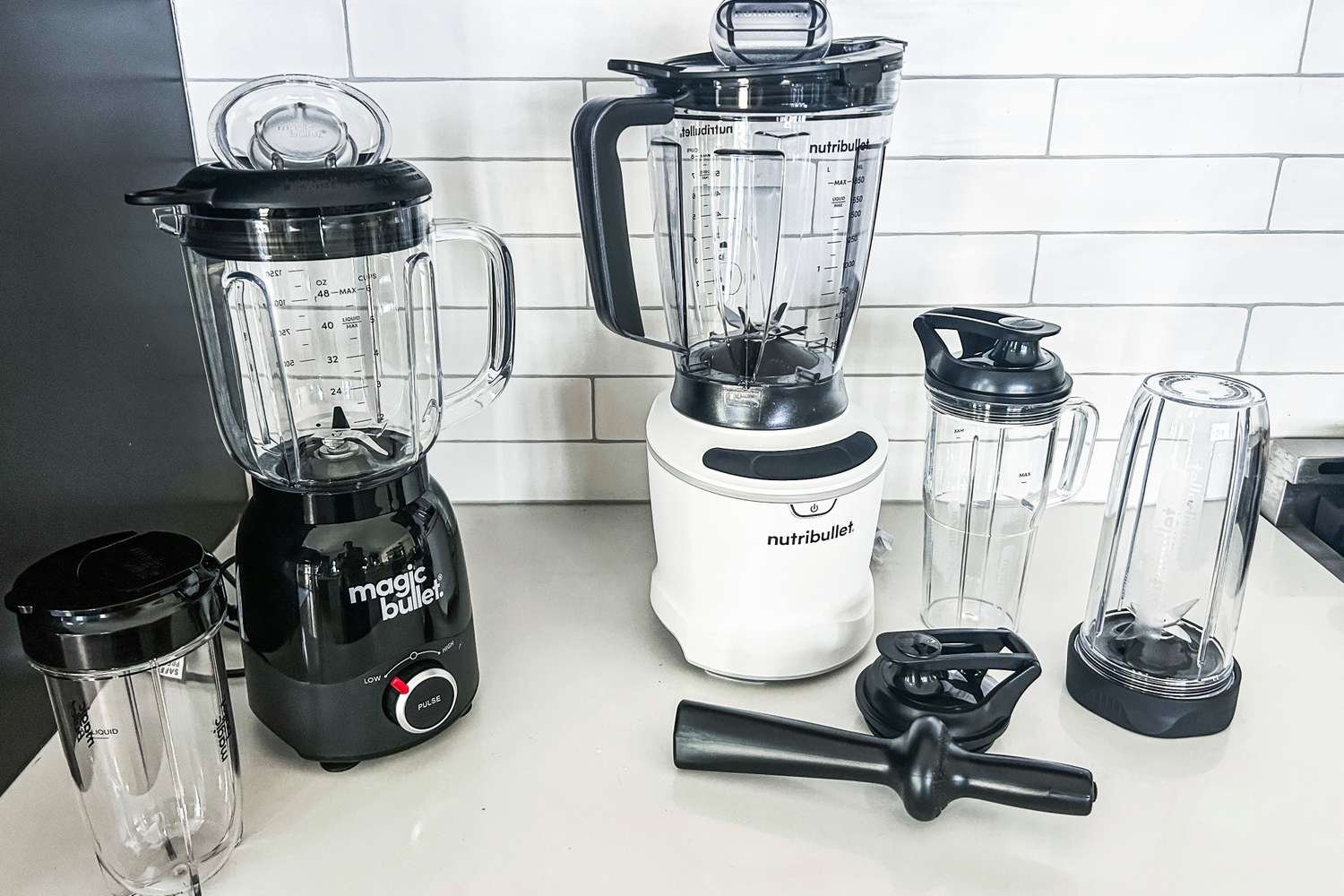
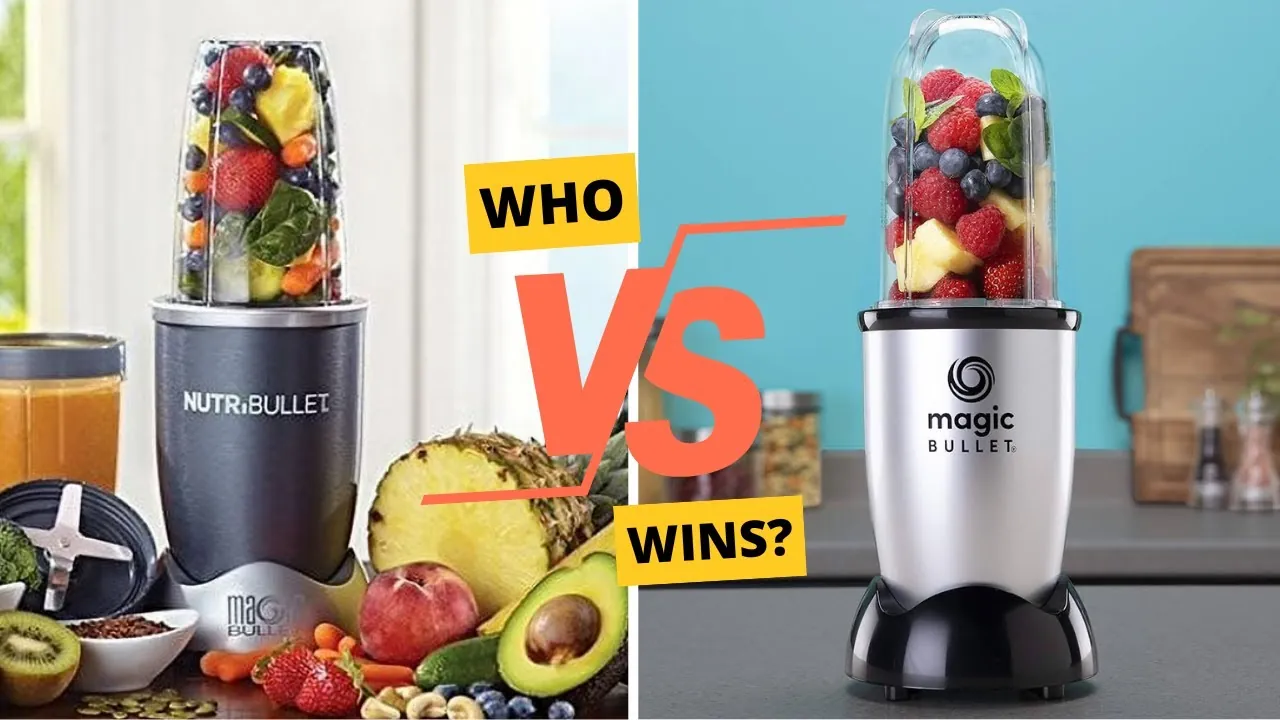
No — the Nutribullet and the Magic Bullet are two different product lines from the same parent company, and the differences between them matter. The Magic Bullet, launched in the early 2000s, is the original compact countertop blender built for light jobs like dips, sauces, and milkshakes. The Nutribullet, introduced in 2012, is its more powerful sibling, designed to break down whole fruits, vegetables, nuts, seeds, and fibrous greens into smooth drinks. Both use the same basic idea — a short cup you flip upside down onto a motor base and twist to blend — which is exactly why people confuse them. But they differ in motor strength, blade design, cup capacity, price, and what they can realistically handle. This article breaks down how each machine works, where each one shines, how the current models compare side by side, and which one fits your kitchen and budget.
Key Takeaways
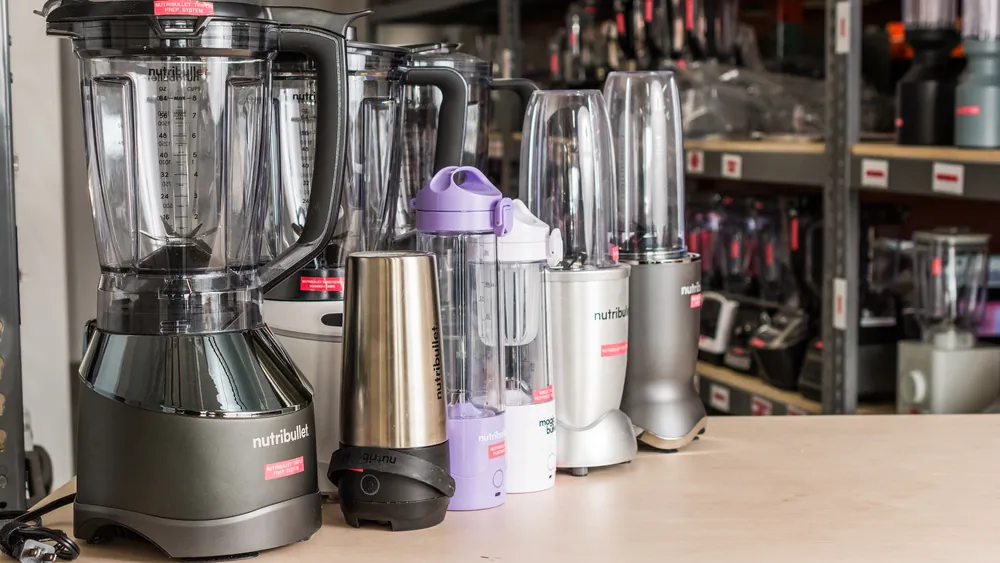
- Both brands are owned by the same company, but Nutribullet and Magic Bullet are separate product lines with different motors, blades, and cups.
- The Magic Bullet’s motor typically runs around 250 watts; the Nutribullet range starts around 600 watts and goes up to 1,000+ watts in Pro models.
- Magic Bullet cups hold roughly 12 to 18 ounces; Nutribullet cups run from 18 to 32 ounces.
- The Magic Bullet suits dips, dressings, and soft-fruit shakes; the Nutribullet handles frozen fruit, ice, nuts, and leafy greens.
- Expect to pay roughly $25–$50 for a Magic Bullet and $60–$180 for a Nutribullet, depending on the model.
- Parts aren’t fully interchangeable — the blade bases and cup threads differ between the two lines.
Same Company, Different Machines
Both products come from the same family of brands — Magic Bullet was created by Homeland Housewares, and Nutribullet is made by its successor brand, now sold under the Nutribullet name. That shared DNA explains the confusion: the twist-and-blend design, the small cups, the party-marketing heritage, even the boxy silhouette all trace back to the original infomercial blender from the 2000s.
But the company deliberately positions them at different levels. The Magic Bullet is the entry-level, do-everything-a-little machine. The Nutribullet was engineered specifically around “nutrition extraction” — the idea that pulverizing whole foods, including skins and seeds, releases more usable nutrients than chewing or juicing. That goal drove every major difference: a bigger motor, a stronger blade, and larger cups.
A useful way to think about it: the Magic Bullet is a multi-tool for small jobs, while the Nutribullet is a dedicated smoothie and whole-food machine. Neither is a full-size countertop blender like a Vitamix, and both trade power for a small footprint and easy cleanup.
What the Magic Bullet Does
The Magic Bullet runs on a compact motor base of roughly 250 watts, which is modest by any blending standard. It comes with a cross blade and a flat blade, plus a set of small cups — the classic kit includes a tall cup around 18 ounces and several short cups around 12 ounces, some with shaker lids for grated cheese or ground spices.
Where it performs well:
- Soft-food blending: pesto, hummus, guacamole, pancake batter, salad dressings, and whipped eggs.
- Soft-fruit shakes: banana, berries, and yogurt-based drinks blend acceptably if you don’t overload frozen ingredients.
- Small grinding jobs: coffee beans, nuts, breadcrumbs, and hard cheese, using the flat blade.
- Quick single-serve prep: the cup doubles as a drinking vessel, so there’s nothing to wash beyond the blade.
Where it struggles: frozen fruit in any quantity, ice cubes, raw fibrous vegetables like kale stems, and nut butters. The motor bogs down, blends unevenly, and can overheat if pushed. The design assumes short bursts of 10 seconds or so — the instructions have always emphasized pulsing rather than long runs.
What the Nutribullet Does
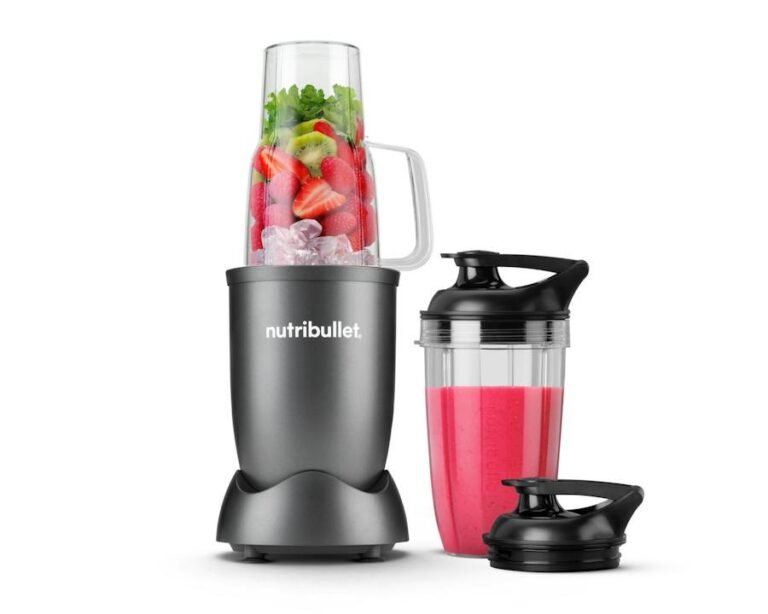
The Nutribullet line starts at about 600 watts in the base model and climbs to 900 watts (Nutribullet Pro) and 1,000 watts (Nutribullet Rx and some Pro+ variants). The signature feature is the extractor blade, a four-pronged stainless-steel blade shaped to create a cyclonic vortex that pulls ingredients down into the blade instead of letting them float above it.
That extra power and blade design change what’s possible:
- Frozen fruit and ice blend into genuinely smooth drinks rather than chunky slush.
- Leafy greens like spinach, kale, and chard break down fully, so your smoothie isn’t speckled with green flecks.
- Seeds, nuts, and fibrous skins — chia, flax, celery, apple skin — get pulverized instead of left behind.
- Larger servings: cups run from 18-ounce short cups up to 24- and 32-ounce tall cups, with some models adding handled “colossal” cups.
The trade-off is noise and price. A Nutribullet is noticeably louder than a Magic Bullet, and the larger motor base takes a bit more counter space. But for anyone whose main goal is daily smoothies with real vegetables and frozen ingredients, the extra wattage is the whole point.
Side-by-Side Comparison
Here’s how the two product lines stack up on the specs that matter:
| Feature | Magic Bullet | Nutribullet (600) | Nutribullet Pro |
|---|---|---|---|
| Motor power | ~250 watts | ~600 watts | ~900–1,200 watts |
| Cup sizes | 12–18 oz | 18–24 oz | 24–32 oz |
| Blade type | Cross + flat blade | Extractor blade | Extractor blade |
| Frozen fruit / ice | Poor to fair | Good | Very good |
| Leafy greens | Poor | Good | Very good |
| Typical price | $25–$50 | $60–$90 | $90–$180 |
| Best for | Dips, sauces, soft shakes | Daily smoothies | Heavy daily use, larger servings |
Two things stand out in that table. First, the motor gap isn’t marginal — the base Nutribullet has more than twice the wattage of the Magic Bullet, and the Pro models have four to five times as much. Second, the cup size gap means a Magic Bullet smoothie is a snack-sized drink, while Nutribullet cups hold a meal-replacement portion.
Which One Blends Better?
For smoothies and anything frozen, the Nutribullet wins decisively, and it isn’t close. A 250-watt motor physically can’t spin a blade fast enough, under load, to fracture frozen fruit cells or crack ice cleanly. You get either a stalled motor or a drink with gritty, unblended chunks. The Nutribullet’s extractor blade at 600+ watts produces a smooth, pourable texture from the same ingredients.
For everything else, the picture flips:
- Thick dips and spreads (hummus, guacamole): the Magic Bullet’s small cups are actually an advantage — less scraping down the sides.
- Grating and grinding: the flat-blade accessory does jobs the Nutribullet’s single extractor blade wasn’t designed for.
- Portion control: if you drink small 8–12 ounce shakes, the Magic Bullet’s cups match that without waste.
- Counter space and noise: the Magic Bullet is smaller and quieter for quick jobs.
Bold truth worth stating plainly: if you compare them on a single task — making one green smoothie with frozen banana, spinach, and almond milk — the Nutribullet does the job the Magic Bullet can’t finish. If your blending life is dips, dressings, and protein shakes with soft ingredients and liquid, the Magic Bullet does the job for half the price.
Model Lines Explained
Both brands have expanded well beyond their original single products, which adds to the confusion. Here are the current main lines you’ll encounter:
| Line | Typical models | What it’s for |
|---|---|---|
| Magic Bullet | Original 250W, Mini | Light blending, grinding, small servings |
| Baby Bullet | Baby Bullet, Baby Bullet Turbo | Baby food purées, small storage cups |
| Nutribullet | 600, 900 Pro, Pro+ 1000W | Daily smoothies, extraction blending |
| Nutribullet Rx | 1700W with heating function | Soups, sauces, larger batches |
| Nutribullet Smart Touch | Full-size blender combo | Smoothies plus bigger-batch blending |
A few notes on choosing within the lines. The Baby Bullet is essentially a Magic Bullet repackaged with baby-food storage cups and a date-dial lid — convenient if you make purées weekly, unnecessary otherwise.
The Nutribullet Rx is the outlier in the range: its 1,700-watt base includes a heating mode that can make hot soup from raw ingredients, which neither the Magic Bullet nor standard Nutribullets can do. The combo models pair a personal cup with a full-size pitcher, useful for families who want both single servings and batch blending.
You can browse the full current range on Nutribullet’s official website, which lists specs and included accessories for every model — worth checking before buying, because accessory bundles change frequently.
Price Differences
Price is one of the clearest dividing lines between the two brands, and it’s where the Magic Bullet keeps its place in the market.
- Magic Bullet original kit: typically $25–$50, often discounted further during holiday sales. It usually bundles multiple cups, both blades, and shaker tops.
- Nutribullet 600: typically $60–$90 for the standard 24-ounce set.
- Nutribullet Pro (900W): typically $90–$130.
- Nutribullet Pro+ / combo models: roughly $130–$180.
- Nutribullet Rx: historically the premium of the line, often $150–$200 when available.
Cost per use is the honest way to compare. A $40 Magic Bullet used three times a week for dips costs pennies per use — great value. The same machine used daily for frozen smoothies, struggling and wearing out, is poor value. A $70 Nutribullet used 300 times a year for smoothies is arguably the better deal in that scenario. Match the machine to the job and both can be worth the money; mismatch them and either one feels like a waste.
Can You Swap Parts Between Them?
Mostly no, and this trips up a lot of buyers. The two lines look similar enough that people assume cups and blades are interchangeable. They’re not:
- Blade bases differ: the Magic Bullet’s cross blade and flat blade screw onto its cups with a different thread pattern and gear geometry than the Nutribullet’s extractor blade.
- Cup threads differ: a Nutribullet cup won’t lock onto a Magic Bullet base, and vice versa.
- Motor gears differ: the internal drive socket that spins the blade is sized for each line’s blade assembly.
What is widely available: replacement parts within each line. Replacement extractor blades, gaskets, cups, and lids for Nutribullet models, and replacement cross/flat blades for Magic Bullets, are sold by the manufacturer and third parties. If you own both machines, treat them as entirely separate ecosystems.
Warning: never run either machine without liquid or soft ingredients for more than a few seconds, and never blend hot liquids in a sealed Nutribullet or Magic Bullet cup — pressure buildup can force the lid off and cause burns. This is the single most common injury associated with both product lines.
Which Should You Buy?
Make the decision with three questions:
1. What will you actually blend? If your honest answer is smoothies with frozen fruit, greens, or ice several times a week, buy a Nutribullet — the 600-watt base model is enough for most people, and the 900-watt Pro is worth it if you blend thick, frozen-heavy drinks daily or for two people back to back. If your answer is hummus, salad dressing, pancake batter, and the occasional soft-fruit shake, the Magic Bullet covers all of it at half the price.
2. How big are your servings? Magic Bullet cups top out around 18 ounces, and realistically you’ll fill them to 12. Nutribullet cups go to 32 ounces. If you drink meal-replacement-size smoothies, the size difference decides it for you.
3. What’s your budget and tolerance for noise? The Magic Bullet is quieter, smaller, and cheaper. The Nutribullet is louder, bigger, and more capable. Neither is quiet by dishwasher standards, but the wattage gap is audible.
A reasonable rule of thumb: buy the Magic Bullet as a second blender or for a dorm, office, or RV; buy the Nutribullet as your one and only personal blender if smoothies are the mission.
Care and Safety Tips
Whichever machine you choose, these habits extend its life and keep it safe:
- Pulse, don’t marathon: run in short bursts of 10–15 seconds. Both motors are designed for intermittent use, and long runs overheat the base.
- Add liquid first: pouring liquid in before solids helps the vortex form and takes strain off the motor.
- Check the gasket: the rubber seal inside the blade base wears out and leaks. Replacement gaskets cost a few dollars; a leaking blade is the most common “my blender broke” complaint that’s actually a $3 fix.
- Hand-wash the blades: cups and lids are usually top-rack dishwasher safe on newer models, but the blade assemblies last far longer hand-washed, and the bearings stay dry.
- Don’t overfill: past the max line, the lid seal leaks and the motor strains.
- Let frozen items thaw slightly: even a Nutribullet Pro blends easier — and lives longer — if you give frozen fruit two or three minutes on the counter.
Pro Tip: store your most-used blade attached to its cup in the fridge door. A cold blade assembly chills your smoothie slightly, and you skip one washing step in the morning rush.
Frequently Asked Questions
Are Magic Bullet and Nutribullet made by the same company?
Yes. Both come from the same corporate family — Magic Bullet’s creator, Homeland Housewares, developed Nutribullet as its higher-powered successor brand. They share the twist-and-blend design language but are sold, marketed, and supported as separate product lines with different parts and accessories.
Can a Magic Bullet crush ice?
Not reliably. The 250-watt motor can chip a few small cubes briefly, but it will stall, overheat, or produce chunky slush rather than crushed ice. For ice and frozen fruit, you need at least a 600-watt Nutribullet, and even then, adding liquid first gives the best texture.
Is Nutribullet just a more powerful Magic Bullet?
Essentially yes, with a different blade philosophy. The Nutribullet pairs its higher wattage with an extractor blade designed to pulverize whole foods — skins, seeds, and fibrous greens — rather than simply chopping and mixing. Same basic mechanism, dramatically more capability for whole-food blending.
Which one lasts longer?
With equivalent care, both are built to similar consumer-grade standards, and most units last several years of regular use. The Nutribullet’s bigger motor endures heavy smoothie duty better; a Magic Bullet pushed beyond soft ingredients daily will fail sooner. Replacement blades and gaskets are cheap for both and often fix the most common failures.
Can I make hot soup in either one?
Not in the standard models. Sealed cups build pressure with hot liquids, which is a burn hazard, and neither motor is rated for sustained running. The Nutribullet Rx is the exception — its 1,700-watt base has a heating mode designed to make hot soups and sauces from raw ingredients.
Do they come with a warranty?
Both brands typically include a limited warranty covering manufacturing defects — commonly one year on Magic Bullet units and one year or more on Nutribullet models depending on the product. Register your purchase with the manufacturer and keep your receipt, since warranty claims generally require proof of purchase date.
Conclusion
Whichever machine ends up on your counter, the next step is the same: write down the three things you blend most often this week, match them against the comparison table above, and buy the cheapest model that handles all three comfortably — because the right blender is the one that fits your actual habits, not the one with the biggest number on the box.