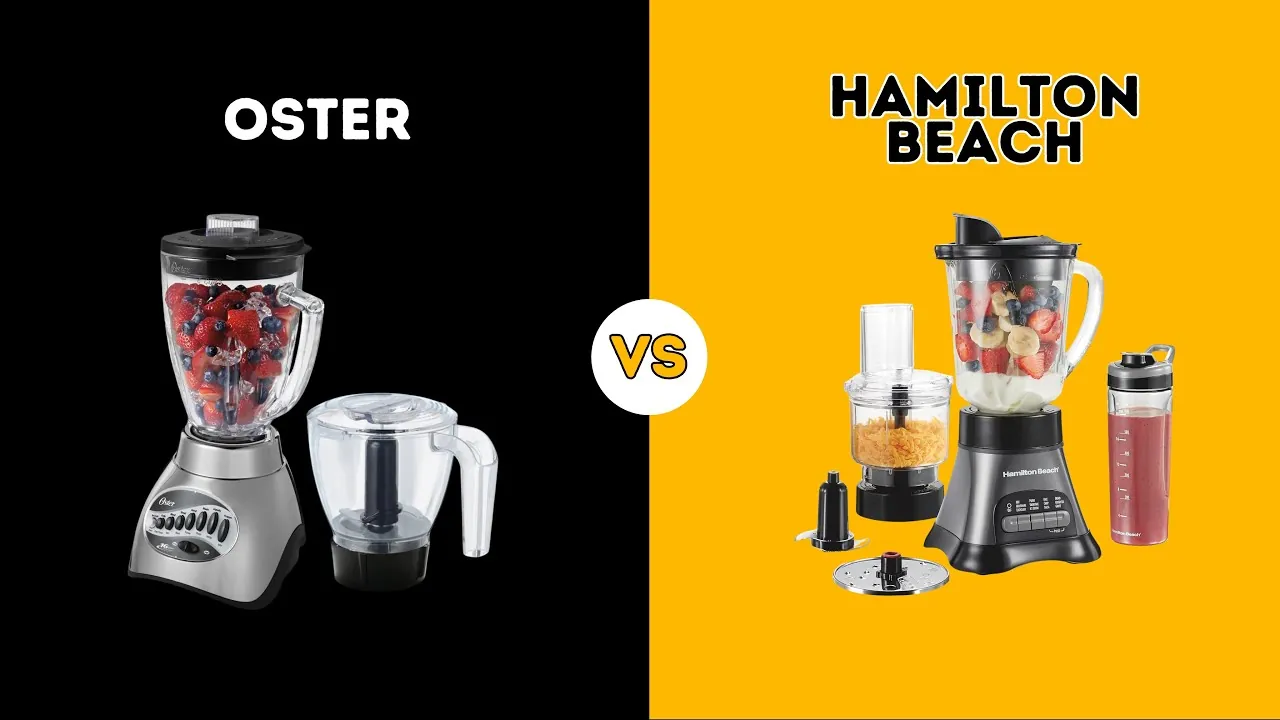
Which Blender Is Better, Oster or Hamilton Beach?
If you’re picking between the two, Oster is the better blender for thick, heavy jobs like crushing ice and nut butters, while Hamilton Beach is the better buy for everyday smoothies, soups, and shakes on a tighter budget. Neither brand beats the other across every model — the jar, the wattage, and the price you actually pay decide it.
Three things change that answer: how much you’ll spend, how hard you push the machine (ice, frozen fruit, or just soft stuff), and whether you want a glass or plastic jar. The rest of this page covers each one.
Which blender is better, Oster or Hamilton Beach — who this page is for
Three kinds of people type this question, and they don’t want the same thing.
The first is replacing a dead blender and wants a straight pick under a set budget. They already know their old machine’s wattage and jar size, and they need one name to buy today.
The second is a first-time buyer comparing two brands on a store shelf, holding both boxes, unsure what the numbers on the front actually mean.
The third already owns one brand and is deciding whether switching is worth it — usually after a jar cracked or a motor slowed down.
This page serves the first two best. It assumes you’re shopping in the US, buying a standard countertop model (not a commercial or high-end machine), and that your hardest job is ice or frozen fruit. If you’re chasing restaurant-grade power or a vacuum blender, this isn’t your page — look at Vitamix or Ninja instead.
What actually decides the winner
Wattage is the first thing, and it’s the number people misread most. More watts means the motor holds its speed when the jar is full of frozen fruit. A 700-watt machine and a 1,000-watt machine can look identical on the shelf. Check the label on the box or the base — that’s where the real figure sits.
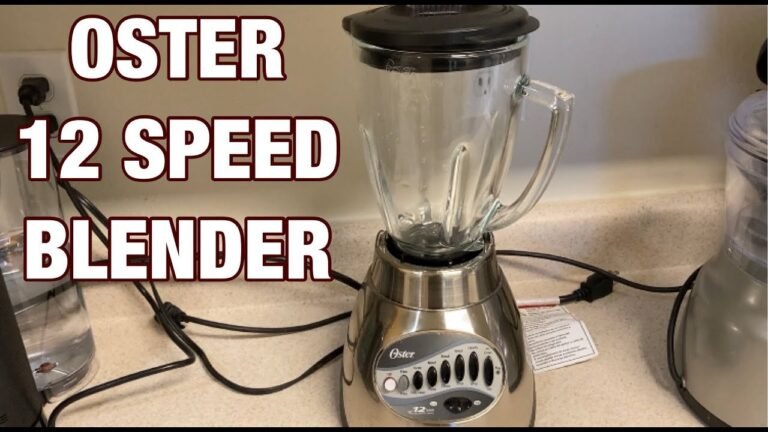
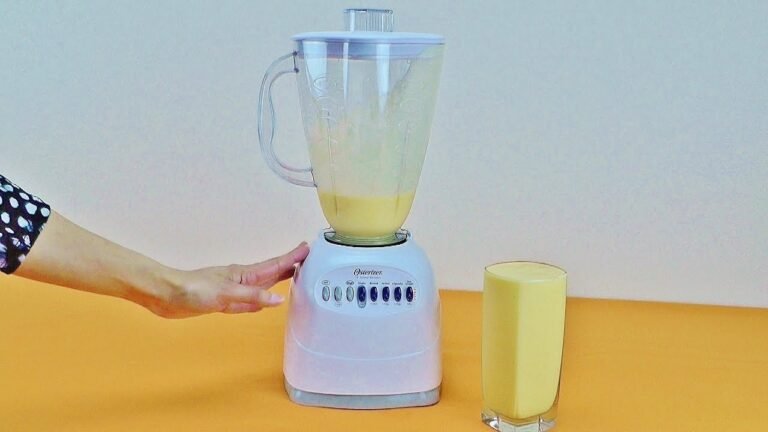
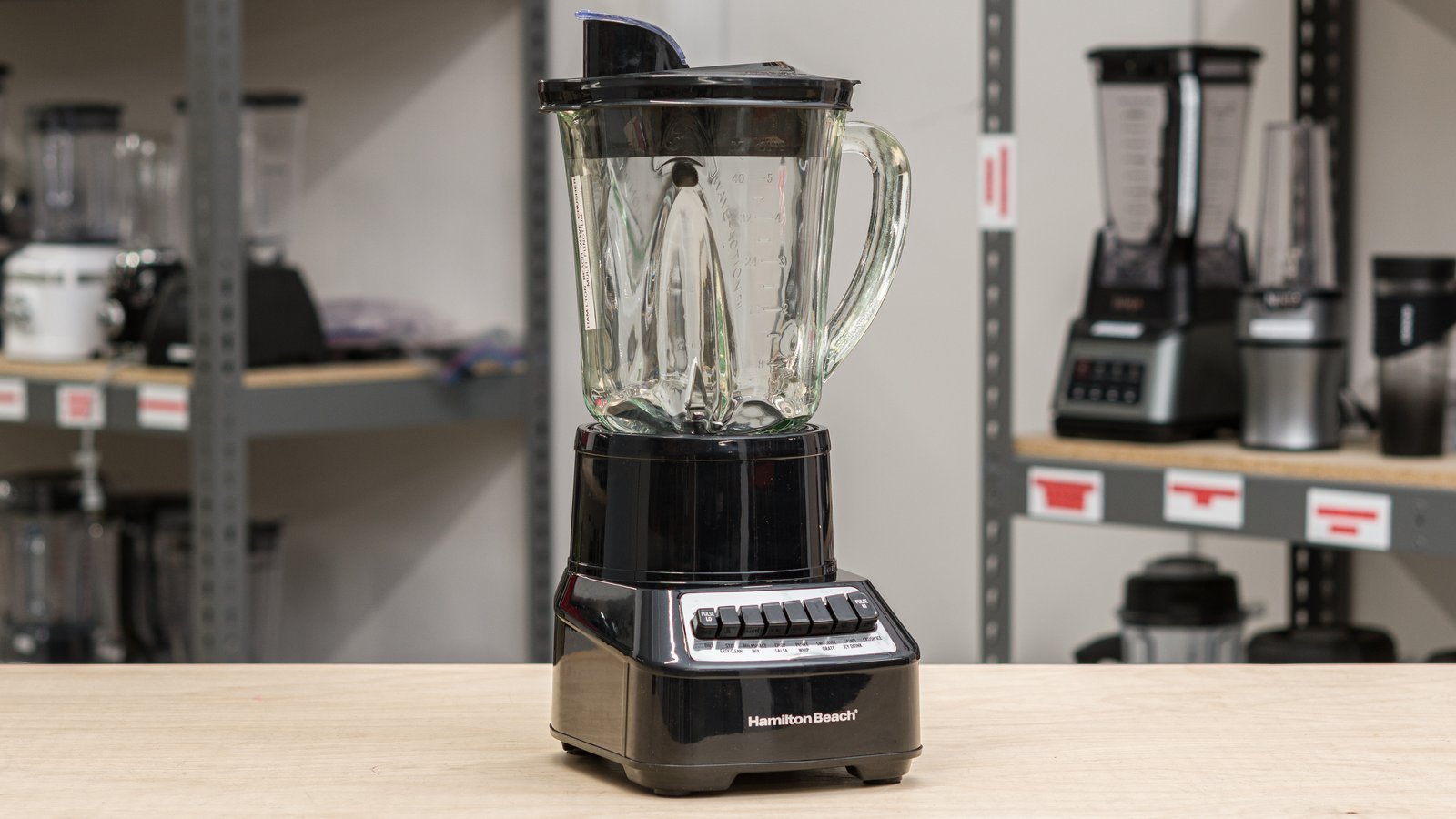
Jar material is the second. Glass feels premium, doesn’t scratch, and takes hot liquids better. Plastic is lighter and cheaper, but it clouds over time and holds onto smells. The trade-off is real: glass costs more and weighs more to lift.
Blade design is the third. A four-point blade and a six-point blade behave differently on ice — more points means more contact per turn. You can see this on the box or in the manual.
The fourth is the price you’re paying at that moment. Both brands run sales constantly, so the same model can swing a lot between stores. Compare today’s price, not the list price.
The fifth, and the one most people skip, is the jar size in ounces. A 48-ounce jar and a 56-ounce jar change how full you can load it before it stalls. Read the ounces printed on the jar itself.
Step by step: how to pick between them
- Write down your hardest job. If it’s ice or frozen fruit, you need at least 700 watts. If it’s just protein shakes, 500 watts is fine. Check the wattage on the box before you buy.
- Check the jar material. Look at the jar: glass or plastic. Glass for hot soups and no staining; plastic if weight and price matter more.
- Read the ounce count on the jar. 48 oz suits one or two people; 56 oz and up suits a family. Don’t guess — the number is printed on the side.
- Count the blade points. Four points handles soft food. Six points handles ice better. You can see this through the jar.
- Look up today’s price for both. Prices move weekly, so check the store’s current listing rather than a review from last year.
- Check the warranty length in the manual. Oster and Hamilton Beach both publish this on their own sites — read the exact number for the model you’re eyeing.
- Confirm the return window. Most US retailers give 15 to 90 days; check your specific store’s policy before you buy.
- Test it on day one. Blend ice for 30 seconds. If it stalls or smells hot, return it while you still can.
The judgement call that separates a good pick from a regret is the wattage-to-jar-size ratio. A high-wattage motor in a big jar handles ice easily. A low-wattage motor in the same jar will stall and wear out faster. Match the two, not just the price.
The variations at a glance
Different shoppers arrive with different needs. Here’s how the choice shifts depending on your situation.
| Your situation | What to do | What it takes | What to watch for |
|---|---|---|---|
| Tight budget, soft foods only | Pick Hamilton Beach | Lowest cost | Weak on ice |
| Daily ice crushing | Pick Oster | Higher wattage | Jar wear over time |
| Family of four or more | Either, 56 oz jar | Bigger jar | Motor strain when full |
| Hot soups | Glass jar model | More weight | Plastic can stain |
| Small kitchen | Compact model | Less counter space | Smaller batches |
| Replacing a broken one | Match old wattage | Same or higher | Don’t go lower |
What separates a good result from a poor one
How experienced buyers prepare
They read the wattage and jar size before they look at the price tag. That order matters, because a cheap 500-watt machine in a 56-ounce jar will burn out faster than a 700-watt machine in a 48-ounce jar — even if the cheap one costs less today.
They also check the blade count and the jar material in the same trip. Three checks, one minute, and the wrong purchase is avoided.
What they check while blending
They listen to the motor. A healthy motor holds a steady pitch under load. A motor that drops pitch or smells hot is working past its limit — stop, remove some contents, and try again in smaller batches.
They also stop and scrape the sides once or twice. That single habit gets a smoother result than blending longer, and it’s easier on the motor.
What goes wrong, and what to do
Most problems with either brand come down to overloading, wrong jar use, or a worn blade. Here’s how to match what you see to the fix.
| What you notice | What it usually means | What to do first | How to stop it happening again |
|---|---|---|---|
| Motor smells hot | Jar overloaded | Remove half, blend in batches | Fill to the max line only |
| Ice stays chunky | Blade is dull or short | Add liquid, pulse 10 seconds | Don’t run dry on ice |
| Jar leaks at base | Seal is loose or worn | Tighten or replace the gasket | Hand wash the seal |
| Plastic jar looks cloudy | Heat damage over time | Switch to glass jar | Don’t pour boiling liquid in |
| Blender won’t start | Jar not seated right | Twist jar until it clicks | Check alignment every time |
| Loud rattling sound | Blade assembly loose | Stop and check the base | Tighten before each use |
The rules that apply
In the US, blenders sold for home use fall under the UL 982 standard for household food-preparing machines, published by Underwriters Laboratories. That’s the standard behind the UL mark you’ll see on the base or the packaging. If it’s missing, don’t buy it.
Warranty terms differ by model, not just by brand. Oster and Hamilton Beach both publish the exact length for each model on their own websites — check the model number against their warranty page rather than trusting a general claim.
Electrical rules also matter. US homes run on a specific voltage, and both brands sell models for the US market. A model built for another country won’t work properly here, and using a converter can void the warranty.
If your blender sparks, trips the breaker, or the cord gets hot, stop using it. Unplug it and replace it rather than attempting a repair.
What it costs you
The real cost isn’t just the sticker price. It’s the price plus how long the machine lasts plus what you’ll spend replacing jars or blades.
Budget models from both brands sit at the lower end of the countertop blender range, while higher-wattage models cost more. Prices swing with sales, so check your store’s current listing rather than a fixed number — a model that costs one amount this week can drop next week.
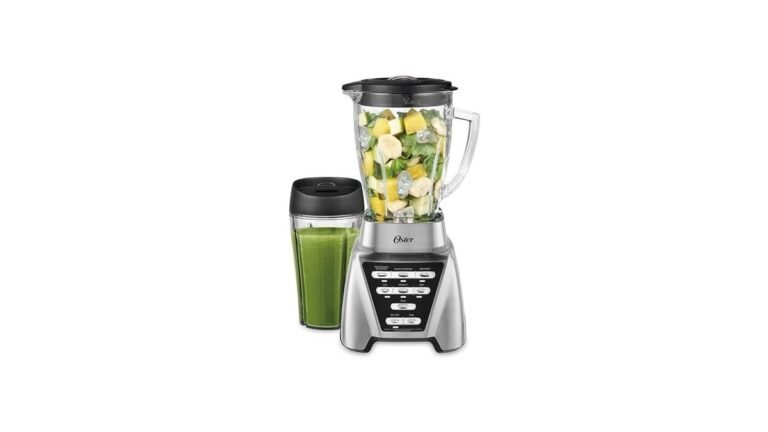
What moves the cost up: glass jars, higher wattage, more blade points, and extra accessories like personal blending cups. What moves it down: plastic jars, lower wattage, and buying during a holiday sale.
The hidden cost is replacement parts. Jars and gaskets wear out, and both brands sell replacements separately. Check the price of a replacement jar before you buy — sometimes it’s close enough to a whole new unit that replacing the blender makes more sense.
Keeping it right afterwards
Clean the jar right after each use, before residue dries. Warm water, a drop of dish soap, and a 10-second blend does most of the work. Then rinse and air dry with the jar upside down.
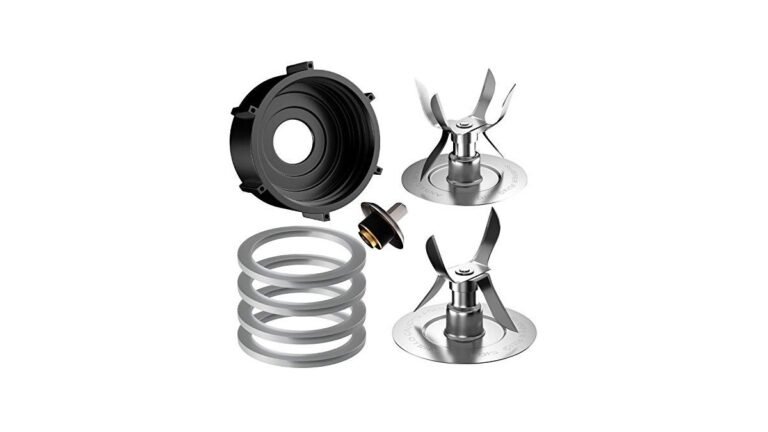
Hand wash the blade assembly and the gasket. The gasket is the part that fails first — if it looks stretched, cracked, or smells sour, replace it. That’s usually cheaper than a new jar.
The sign your blender needs attention again is a change in sound or a slower blend on the same job. If ice that used to crush in 20 seconds now takes 40, the blade is dull or the motor is tired.
For maintenance schedules, check the manual that came with your model — both brands publish care instructions there, and those override any general advice.
When this is the wrong approach
If you’re blending every day for a family of five or running a juice bar, neither brand is the right call. You need a commercial-grade machine, and that means looking at Vitamix or a similar commercial line — not a $40 countertop unit.
If you need to blend hot soup straight from the pot, a plastic-jar model from either brand is the wrong pick. You want a glass jar or a model rated for hot liquids, and you should check the manual for the exact temperature limit.
If your blender is sparking, smoking, or tripping the breaker, stop and unplug it. Replace the unit rather than attempting a home fix — a capacitor inside can hold a dangerous charge even when unplugged.
Frequently asked questions
Is Oster better than Hamilton Beach?
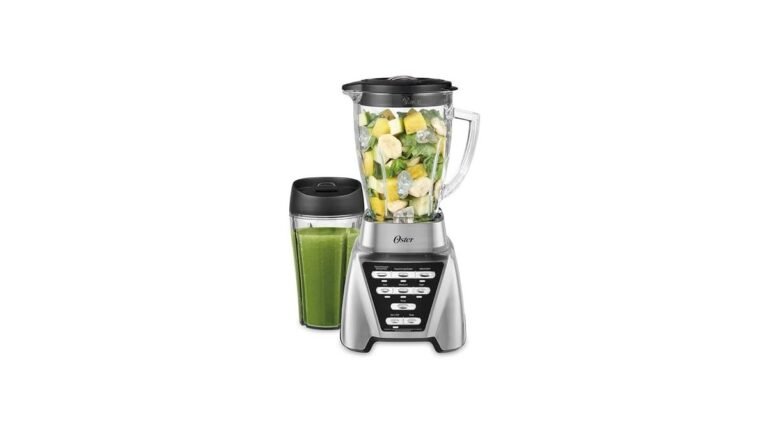
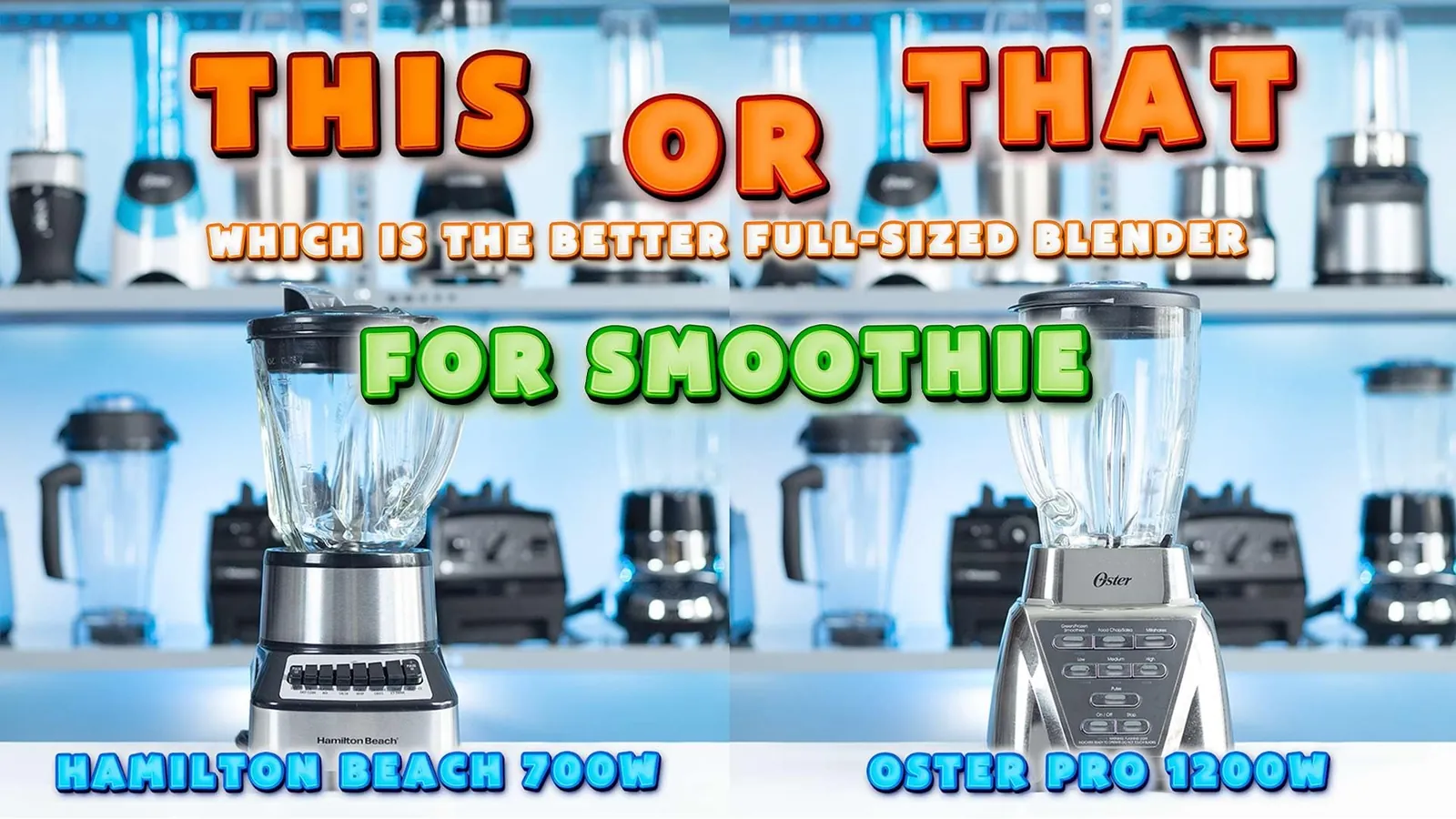
For heavy jobs like ice and frozen fruit, Oster usually wins because more of its models run higher wattage. For light daily use on a budget, Hamilton Beach is often the better value. Check the wattage on the specific model — that number decides it, not the brand name.
How long do these blenders last?
A budget model used daily typically lasts a few years before the motor or blade wears down. Heavy ice crushing shortens that. The sign it’s failing is a slower blend on the same job or a hot motor smell. Check your manual for the warranty length.
Can I crush ice in both brands?
Yes, but only if the model is rated for it. Look for at least 700 watts and a blade designed for ice. A low-wattage model will stall or leave chunks. Add a little liquid and pulse in short bursts instead of running it continuously.
Why does my blender smell like burning?
The motor is working past its limit, usually because the jar is overloaded. Stop it, remove half the contents, and blend in smaller batches. If the smell returns with a light load, the motor is worn — replace the unit rather than keep using it.
Is a glass jar better than plastic?
Glass doesn’t scratch, doesn’t stain, and handles warm liquids better. Plastic is lighter and cheaper but clouds over time and holds onto smells. For hot soups and long-term use, glass is worth the extra cost and weight.
What happens if I blend hot liquid in a sealed jar?
Pressure builds and the lid can blow off, splashing hot liquid. Vent the lid or blend in small batches and let steam escape. Never fill a sealed jar past the max line with hot liquid.
Does wattage really matter?
Yes, more than any other spec. Higher wattage holds speed under load, so ice and frozen fruit blend smoothly instead of stalling. Under 500 watts is fine for soft foods only. Check the wattage printed on the box or base.
Does it matter which jar size I pick?
Yes, because jar size and wattage have to match. A big jar with a weak motor strains the machine. For one or two people, 48 oz is enough. For a family, 56 oz or more works better — but only with enough wattage behind it.
What to do next
Start by checking the wattage on the model you’re considering — that one number settles most of the choice. Expect smooth blending on ice and frozen fruit if you pick 700 watts or higher with a matching jar size.
Below that, you’re usually buying a machine for soups and soft fruit only. It will still work, but you’ll need to add liquid and pulse in short bursts, and ice will come out gritty rather than smooth.
If the motor smells hot or the blade stops turning on a light load, stop and unplug it, then replace it. A burning smell means the windings are overheating, and running it again usually turns a cheap repair into a new purchase.