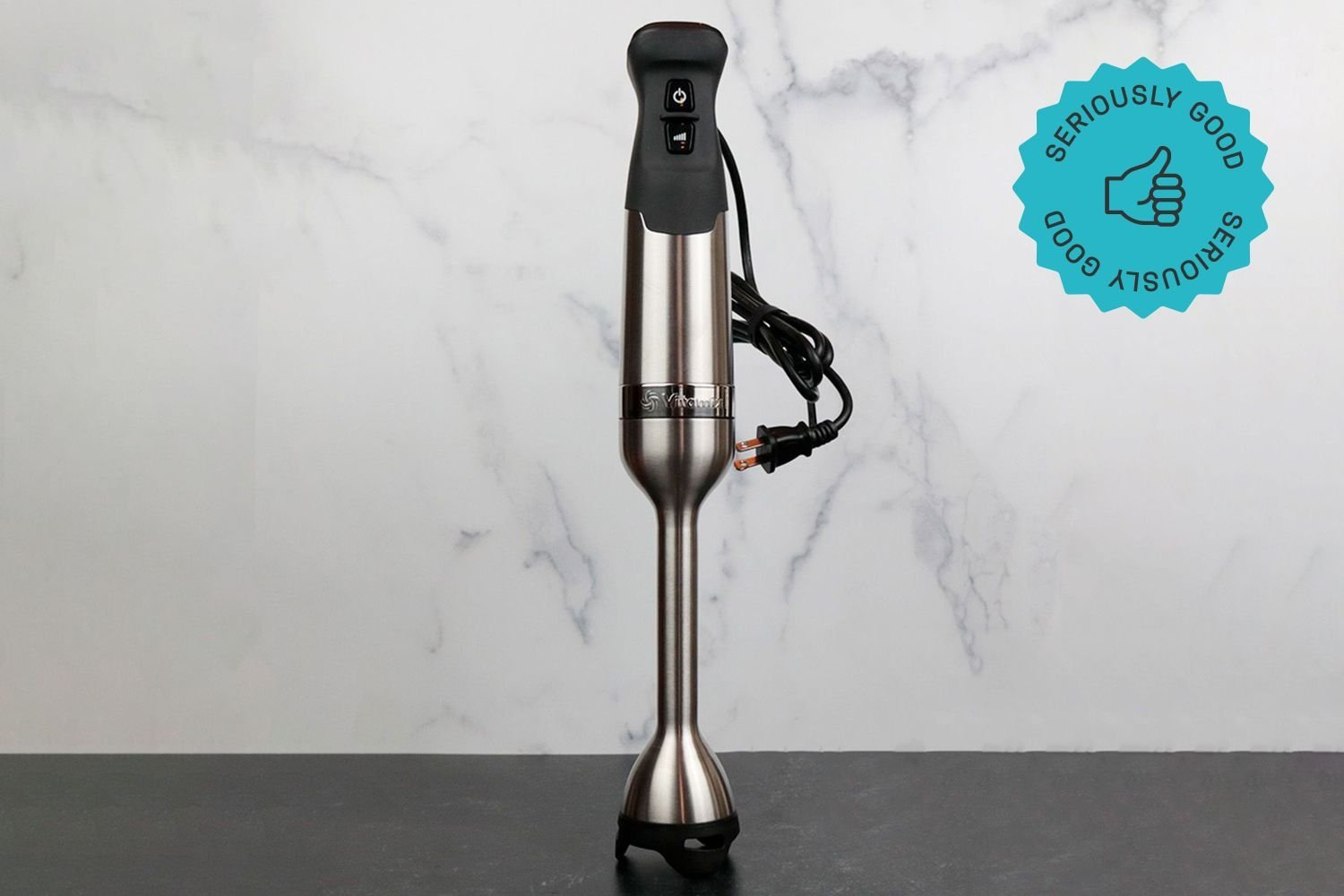
Is The Vitamix Immersion Blender Worth It: Our Honest Verdict
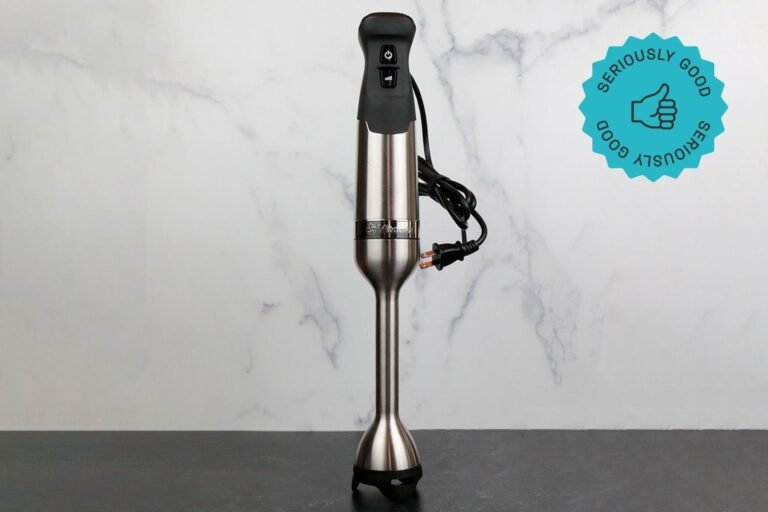
The vitamix immersion blender is worth it for home cooks who prioritize durability and blending power, as its 625-watt motor handles tough ingredients that cheaper models struggle to process. Whether you should buy one depends on your daily kitchen habits, specifically how often you prepare hot soups, thick nut butters, or smoothies directly in a container.
This tool serves the serious cook who already owns high-end kitchen gear and values longevity over a low entry price. If you only blend occasionally or have limited storage space, you might find a basic, lower-cost model more practical. We assume throughout this guide that you’re looking for a long-term kitchen investment rather than a budget-friendly starter appliance.
Is the Vitamix immersion blender worth buying
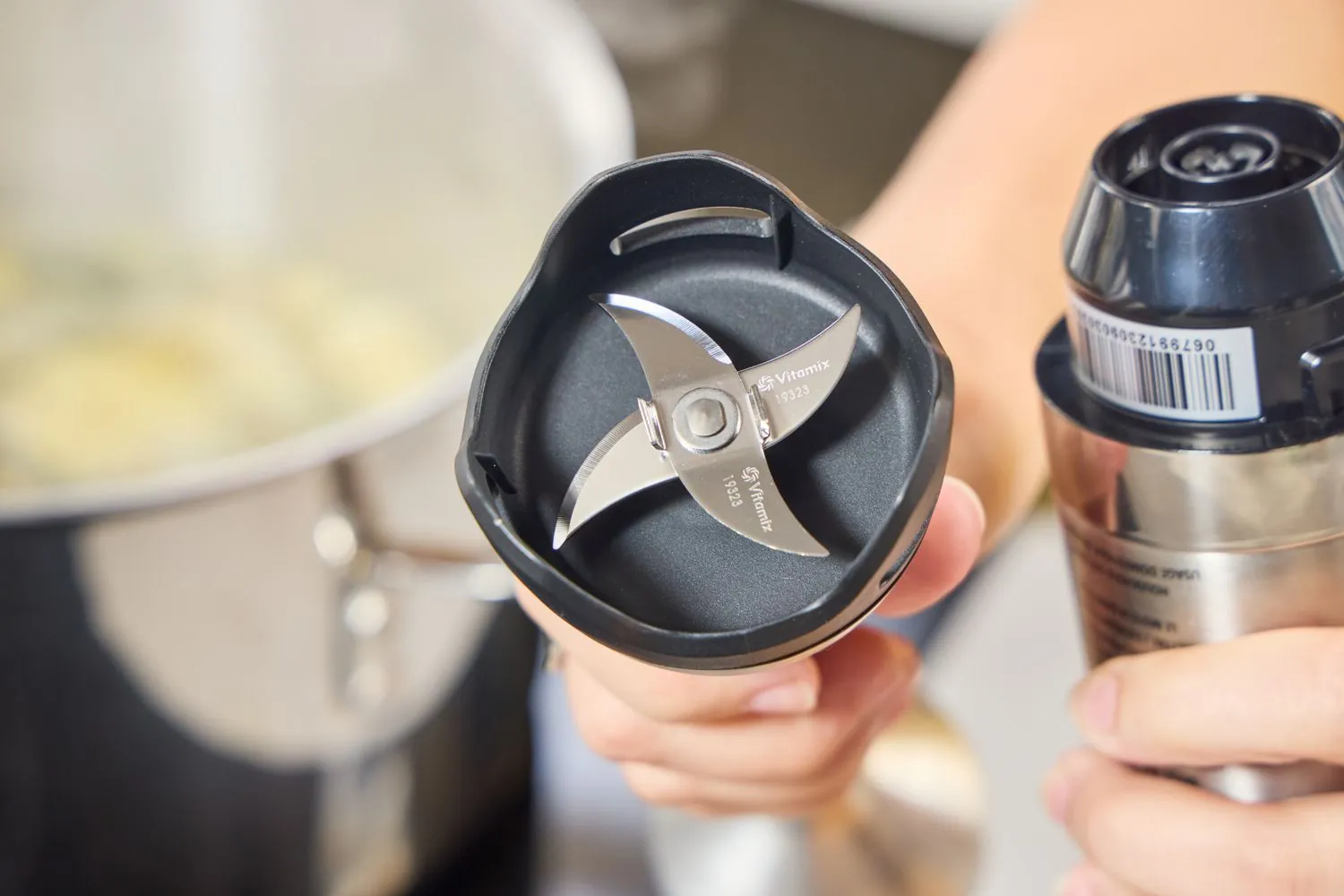
The primary buyers for this immersion blender are people who already use their standard countertop blender daily but want a more convenient way to process hot liquids. If you make large batches of soup, you likely know the frustration of transferring boiling liquid into a plastic jar. This tool lets you blend directly in the pot, saving time and cleaning effort.
Another group includes those who frequently make small portions of sauces, dressings, or baby food. A standard blender often leaves a large portion of small batches stuck under the blades or on the walls of the jar. This device reaches into small bowls or cups, ensuring you waste almost nothing while maintaining a consistent, smooth texture.
This page serves readers who want to understand if the premium price tag brings real performance gains. We assume you’re choosing between a generic, low-cost stick blender and this specific high-performance model. If you’re looking for a portable, battery-operated device for travel, this heavy-duty, corded tool isn’t for you.
Factors that change the blending experience
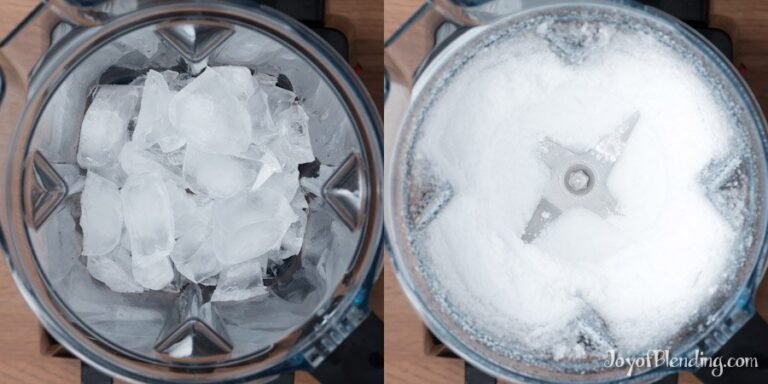
The motor wattage is the most important factor, as it dictates what ingredients you can process without the tool stalling. The 625-watt motor in this model is significantly stronger than the 200 to 300-watt motors found in many entry-level options. If you plan to crush ice or blend frozen fruit into thick smoothies, this power difference is vital for a smooth result.
Variable speed control allows you to start slowly to prevent splashing and increase speed for finer textures. Models without this feature often jump to a high speed instantly, which creates a mess when working with thin liquids. You should check the speed dial location; if it’s near the trigger, you can adjust it easily with one hand while blending.
The design of the blade guard determines how much suction the blender creates against the bottom of your pot. A well-designed guard, like the one on this unit, prevents the blender from “locking” onto the bottom of a stainless steel pot. People often overlook this, but it’s the main reason for uneven blending or scratched cookware surfaces.
The cord length is a common point of frustration for users who don’t have an outlet right next to their stove. This model typically includes a 5-foot cord, which provides enough reach for most kitchen layouts. If your prep area is far from a power source, check your available counter space before deciding if this corded model works for you.
Operating the blender for best results
- Plug the unit into a grounded outlet, ensuring the cord is clear of any heat sources or sharp knives.
- Place the blades into the container before pressing the power button to avoid splashing ingredients.
- Set the speed dial to the lowest level to begin, which helps you maintain control over the initial movement.
- Immerse the blade guard completely into the liquid, keeping it at least one inch from the bottom of the pot.
- Squeeze the trigger and move the blender in a slow, circular motion to pull all ingredients into the blades.
- Increase the speed dial gradually until you reach the desired consistency for your recipe.
- Release the trigger fully before removing the device from your container to prevent hot splashes.
- Unplug the unit immediately after use to ensure it can’t be turned on accidentally during cleaning.
The secret to a professional result is the angle of the blender. Hold the wand at a slight tilt rather than perfectly vertical. This creates a vortex that pulls chunks into the blades more efficiently, which is the safety guidance provided by the FDA regarding the careful use of electrical kitchen appliances near food.
If the motor sounds like it’s struggling or the handle gets hot to the touch, you’re likely overloading the capacity; stop immediately and blend in smaller batches.
Performance and usage variations
| Situation | Action to take | Effort level | Watch for |
|---|---|---|---|
| Hot soup | Blend in short pulses | Medium | Splashing near hands |
| Thick hummus | Add liquid slowly | High | Motor getting warm |
| Light dressing | Use low speed | Low | Air bubbles forming |
| Frozen fruit | Use high speed | High | Blade stall risk |
| Whipped cream | Use medium speed | Low | Over-whipping texture |
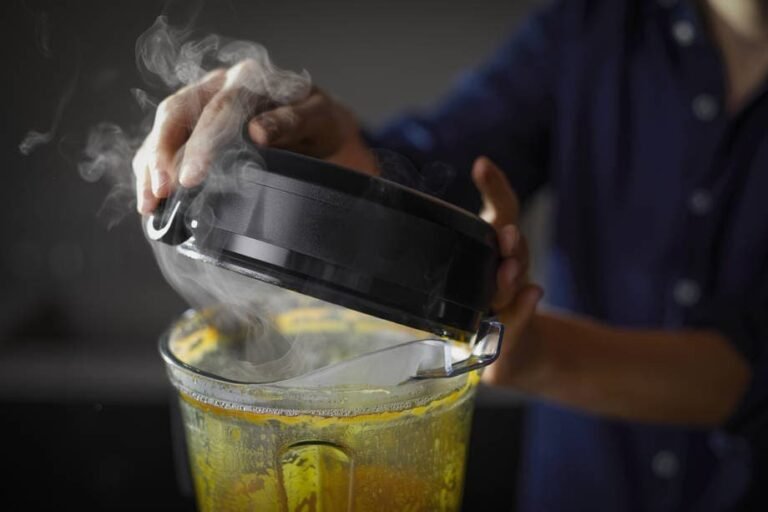
When blending hot liquids, fill the container no more than halfway. Steam expansion creates pressure that can blow the lid off if the vessel is too full. If you feel the motor housing grow hot to the touch while processing thick hummus, stop immediately for three minutes. Pushing through the heat will melt the internal plastic gears.
For frozen fruit, always start on the lowest setting to break up large chunks before ramping to high. If the blades stall, don’t force them; add two tablespoons of water to create a vortex. When whipping cream, watch for the moment the mixture stops swirling and begins to mound.
If you see the liquid separate into yellow flecks, you have passed the peak and created butter. Use these methods to extend the lifespan of your appliance by preventing unnecessary strain on the motor’s drive socket.
Details that define professional quality
Handling and ergonomics
Experienced cooks look for a balance between weight and power. This model is heavier than budget versions, which helps keep the blender steady when you’re processing thick or dense mixtures. The handle is designed to be gripped firmly, but if your hands tire quickly, you may find the weight challenging. Beginners often try to force the blender through frozen chunks, but the best approach is to let the weight of the unit do the work while you guide the rotation.
Maintenance and storage
Keeping the blades clean is the key to a long life for the appliance. Never soak the motor housing in water, as this will destroy the internal electronics. Instead, fill a container with warm water and a drop of dish soap, then run the blender for 15 seconds. Beginners often forget to dry the blade assembly completely before storage, which can lead to dulling or water spots on the stainless steel.
Troubleshooting common issues
| What you notice | What it usually means | What to do first | How to stop it |
|---|---|---|---|
| Motor stops suddenly | Thermal overload protection | Wait 10 minutes | Blend smaller batches |
| Liquid splashing | Speed too high | Lower speed dial | Keep guard submerged |
| Stuck to pot | Vacuum effect | Tilt the unit | Lift slightly while blending |
| Blades not spinning | Obstruction in blades | Unplug and clear | Chop items smaller |
| Handle gets hot | Excessive strain | Let it cool down | Use more liquid |
If the motor cuts out, check if the base feels unusually warm to the touch. If it’s hot, you have likely tripped the internal breaker by overworking the motor with thick ingredients.
Most users mistakenly force the unit back on immediately. This can permanently damage the motor windings. Wait until the housing reaches room temperature before attempting another cycle.
If you’re blending fibrous vegetables, cut them into half-inch cubes. Larger chunks create uneven resistance that stalls the blade assembly. If the blades jam, never reach inside while the unit is plugged in. Always pull the cord from the wall outlet first to prevent accidental activation.
When blending hot liquids, leave at least two inches of headspace in your container. Steam expansion creates pressure that forces lids off. If the mixture is too thick to circulate, add a quarter cup of water or oil to reduce friction.
Rules for safe operation
The primary rule for this equipment is to never operate it in a way that risks damaging the power cord or the motor housing. If the cord shows any signs of fraying, don’t use the device, as this is a fire and shock risk.
You should never attempt to repair the internal components yourself. A capacitor inside the handle can hold a lethal electrical charge even when the unit is unplugged. If the blender fails to turn on or makes an unusual grinding noise, contact the manufacturer’s support team for a professional assessment. Attempting to open the housing will void your warranty and puts you at risk of injury.
Real costs of ownership
The cost of this immersion blender includes the initial purchase price and the time you spend on proper cleaning. While the upfront price is higher than basic models, the cost per use drops significantly over several years of regular operation. You can find the current retail price on the official brand website; compare this against your expected usage frequency to see if the value aligns with your budget.
Maintenance costs are generally zero if you avoid putting the motor in the dishwasher. Using the blender for tasks it wasn’t designed for, such as crushing large ice blocks or processing dry powders, will increase the risk of repair needs. If you treat the unit as a precision tool rather than a heavy-duty industrial crusher, you’ll avoid unnecessary replacement costs.
Keeping your blender ready for use
To keep the device in peak condition, store it in a dry place where the cord isn’t tightly wrapped around the handle. Tight wrapping can weaken the internal wires over time, leading to intermittent power. If you notice the blender vibrating more than usual, check the connection point between the motor housing and the blending wand.
You’ll know it needs attention if the blades start to show signs of dulling or if the locking mechanism feels loose. Don’t try to sharpen the blades yourself, as this requires specific factory balancing. Instead, reach out to the manufacturer to see if the wand attachment can be replaced, which is often cheaper than buying a completely new unit.
When to choose a different tool
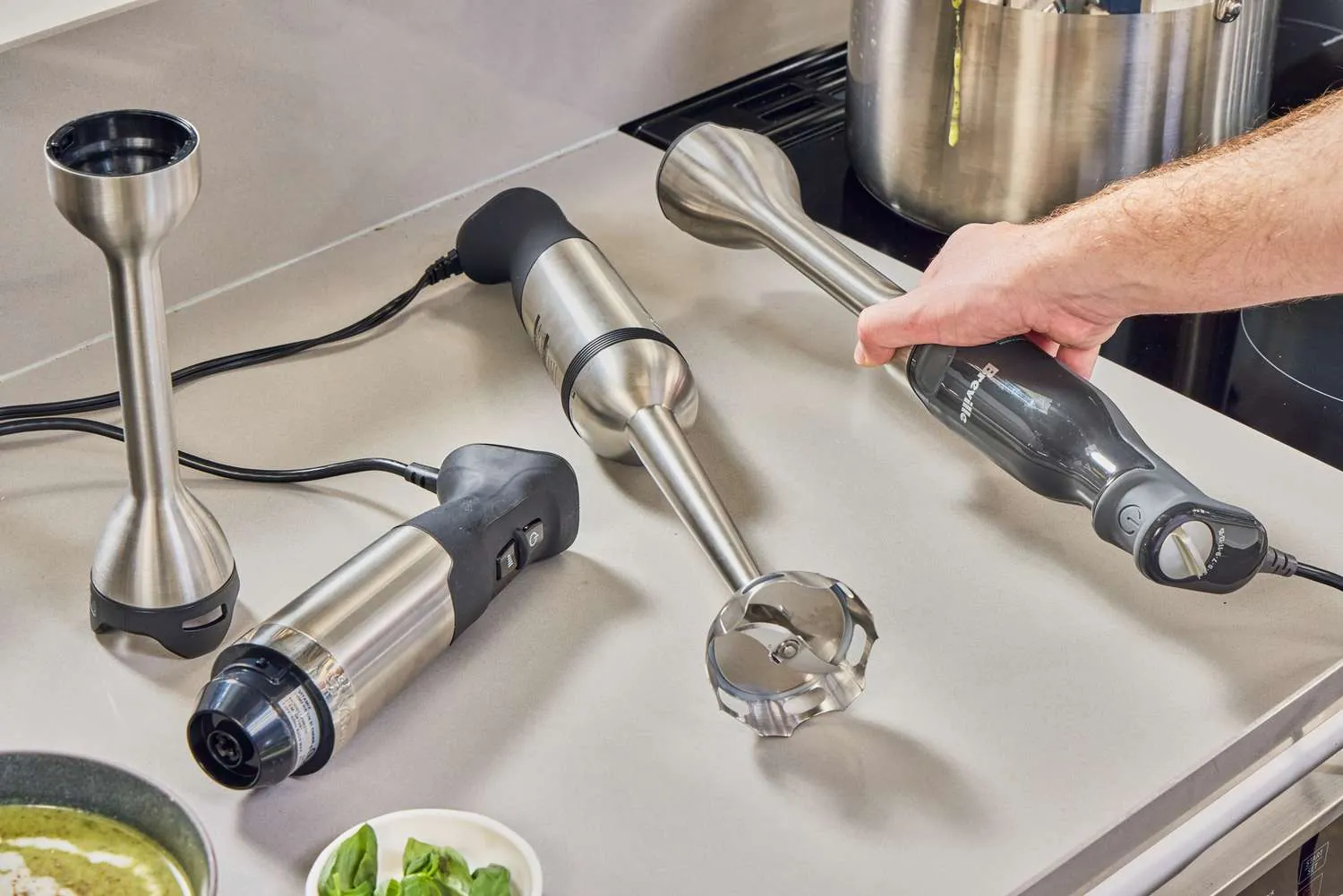
If you’re a professional chef or a caterer who needs to process 50 gallons of soup, this consumer-grade immersion blender is the wrong choice. You need a dedicated, commercial-grade unit with a much longer blending wand and a higher-duty cycle motor. Using this home model for high-volume, continuous work will cause the motor to overheat and fail within a short time.
If your primary goal is to make dry spice rubs or process small amounts of nuts into powder, a food processor is a better tool. Immersion blenders require liquid to create a vortex and move ingredients effectively. Trying to blend dry ingredients will result in uneven textures and will likely cause the motor to struggle, leading to early failure.
Frequently asked questions
Can I put the blender in the dishwasher?
No, you should never submerge the motor housing in water or put it in a dishwasher. Only the detachable stainless steel blending wand is safe for the top rack of a dishwasher, while the motor housing must be wiped clean with a damp cloth.
How long does the motor usually last?
The lifespan varies based on how often you use it and what you blend, but it typically lasts 5 to 10 years with proper care. You can find specific warranty details on the manufacturer’s official support page to see how they cover motor defects.
Is it safe for hot liquids?
Yes, it’s designed for hot liquids, but you must keep the blade guard fully submerged to avoid dangerous splashing. Always use caution when moving the blender in a deep pot to ensure you don’t strike the bottom or sides too hard.
Can I crush ice with this?
No, it isn’t designed for crushing large amounts of ice, as this will dull the blades and strain the motor. If you need to crush ice regularly, use a standard countertop blender that’s specifically rated for heavy-duty ice processing.
What happens if it stops mid-blend?
The motor likely triggered its internal thermal protection to prevent overheating from excessive strain. Unplug the device, wait 10 to 15 minutes for it to cool down, and then try again with a smaller batch or more liquid.
Does it work for thick nut butters?
It can process nut butters, but you must use enough oil to keep the mixture moving and blend in very small batches. If the mixture is too thick, the blades will stall and the motor will heat up, which is a sign you need more liquid.
Conclusion
Start by testing the blender on a simple vegetable soup to get a feel for how the speed dial changes the texture. You should expect a perfectly smooth, restaurant-quality consistency within 60 seconds of blending. If you hear a high-pitched grinding sound, stop immediately and check for hard objects or heavy overloading.