How To Use an Oster Blender To Make Smoothie
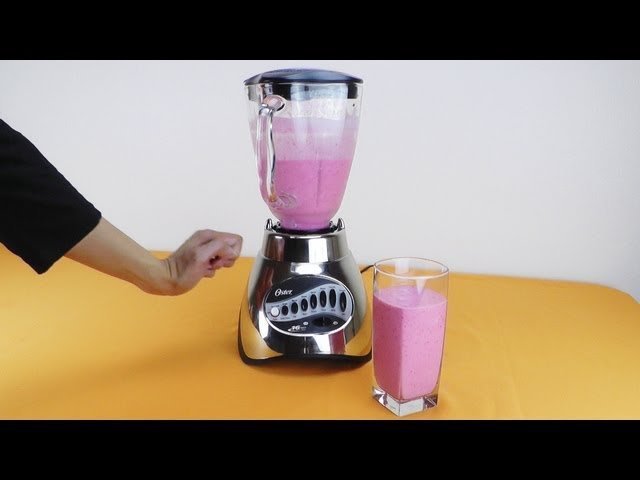
To use an Oster blender to make smoothie, add liquid first, then soft fruit, then ice or frozen fruit last, and blend on HIGH for 45 to 60 seconds. That order keeps the blades moving instead of stalling.
Your own result shifts with three things: the jar size and wattage of your model, how much frozen fruit you load, and whether your Oster has the toggle switch or the dial. Each one changes the time and the order below.
Which Oster blender owner this page is for
Three kinds of people search this title. The first just bought a basic Oster with a 5-cup jar and a single dial, and wants one smoothie that isn’t lumpy.
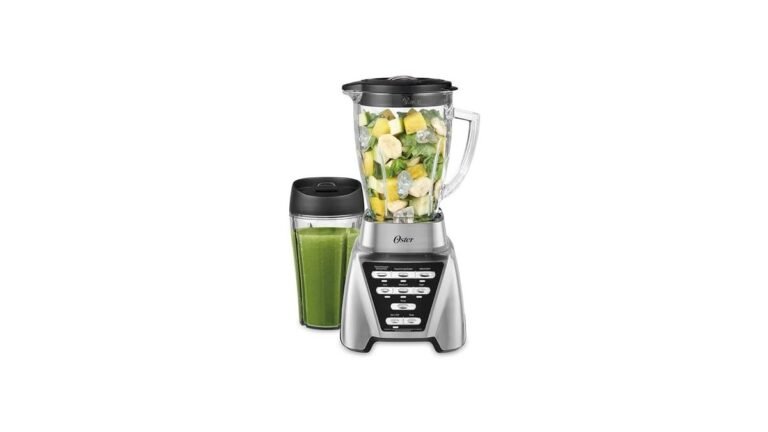
The second has the Oster Pro or a similar 1,000-watt model with a toggle switch and a Blend-N-Go cup, and wants to know if the cup works for frozen fruit. The third has owned the same Oster for years, uses it twice a week, and wants to stop burning out the motor on thick loads.
What each one needs is different. The first needs the load order and one blend time. The second needs to know that personal cups hold less, so frozen fruit has to come down. The third needs the pause-and-pulse habit that keeps the motor alive.
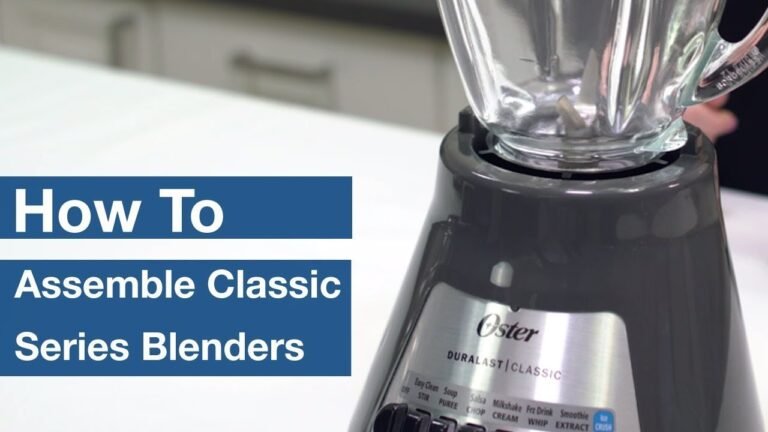
This page serves the first two readers best. It assumes you have a countertop Oster with a blade assembly that screws onto the jar, a lid with a filler cap, and at least two speeds. If you own a high-power blender like a Vitamix or a Ninja with stacked blades, the order still helps but the times are too long — check your own manual instead.
It doesn’t cover repairing a blender that won’t spin. If the motor hums and nothing turns, that’s a different job, and part of it belongs to a technician.
What changes your smoothie result
Jar size and how full you load it. Most Oster jars run from 5 to 8 cups, and the working limit is about two-thirds full once everything is in. Go past that and the blade can’t pull the load down, so you get a pocket of unblended fruit on top. Check your jar’s markings on the side — the top line is your ceiling, not a suggestion.
A low-wattage base needs softer fruit and more liquid; a 1,000-watt base handles frozen chunks with less help. Your model number sits on a label under the base, and the wattage is printed there or on the box.
This is the one people get wrong most often — they add frozen fruit first and wonder why nothing moves.
Blade assembly and jar seating. The blade screws onto the jar base, and if it’s only half-tight, liquid leaks and the blend runs weak. Seat it firmly by hand, then set the jar on the base so it sits flat. A jar that rocks will vibrate the whole machine across the counter.
Liquid type and amount. Thin liquids like milk, oat milk, or juice let the blades spin freely. Thick bases like yogurt or frozen banana need extra liquid alongside them. Start with 1 cup of liquid for every 2 cups of fruit.
Step-by-step: blending a smoothie in an Oster
- Set the jar on the base and check it sits flat. The jar shouldn’t rock when you press one corner. If it wobbles, lift it off and reseat it — a rocking jar walks across the counter.
- Pour 1 cup of liquid in first. Milk, oat milk, juice, or water all work. This is the layer the blades grab, so it goes in before anything else.
- Add soft ingredients next — about 1 cup. Fresh banana, yogurt, peanut butter, or soft berries. They sit in the liquid and help pull the frozen fruit down.
- Add leafy greens now if you’re using them. Pack about 1 cup of spinach or kale loosely. Putting greens under the frozen fruit traps them near the blades.
- More than that and the blade stalls.
- Screw the blade assembly on firmly by hand, then lock the lid. The lid’s filler cap should be closed. If it’s open, you’ll wear the smoothie.
- You’ll hear the chunks knock, then settle.
- Turn the machine off, remove the lid, and push the sides down with a spatula. Never use a spoon or your hand while it’s plugged in.
The judgement call is the pause. A smoothie that looks done from the outside often has an unmixed pocket right under the lid. Stopping once at 30 seconds and scraping is what separates a smooth drink from one with a chunk of frozen banana at the bottom.
If your Oster won’t start at all, or the blade assembly spins free of the jar, stop here. Motor and blade repairs on mains-powered blenders belong to a technician — a capacitor inside can hold a dangerous charge even when unplugged.
Which setup fits your kitchen
| Your situation | What to do | What it takes | What to watch for |
|---|---|---|---|
| Basic Oster, single dial | Liquid first, blend on the highest setting | 60 seconds | Motor smell on thick loads |
| Oster with toggle switch | LOW 10 seconds, then HIGH | 45 to 60 seconds | Don’t start on HIGH |
| Personal Blend-N-Go cup | Halve the frozen fruit, add more liquid | 45 seconds | Cup fills fast, stalls easily |
| Frozen fruit only, no fresh | Add 1½ cups liquid, not 1 cup | 60 seconds, one pause | Dry pockets near the lid |
| Greens-heavy smoothie | Greens before frozen fruit | 60 seconds | Leaves wrap the blade |
| Making 2 or more servings | Blend in two batches | Twice the time | Overfilled jar won’t blend |
| Very thick, spoonable bowl | Cut liquid to ½ cup, pulse 8 times | 90 seconds total | Stalling and motor heat |
What experienced Oster owners do differently
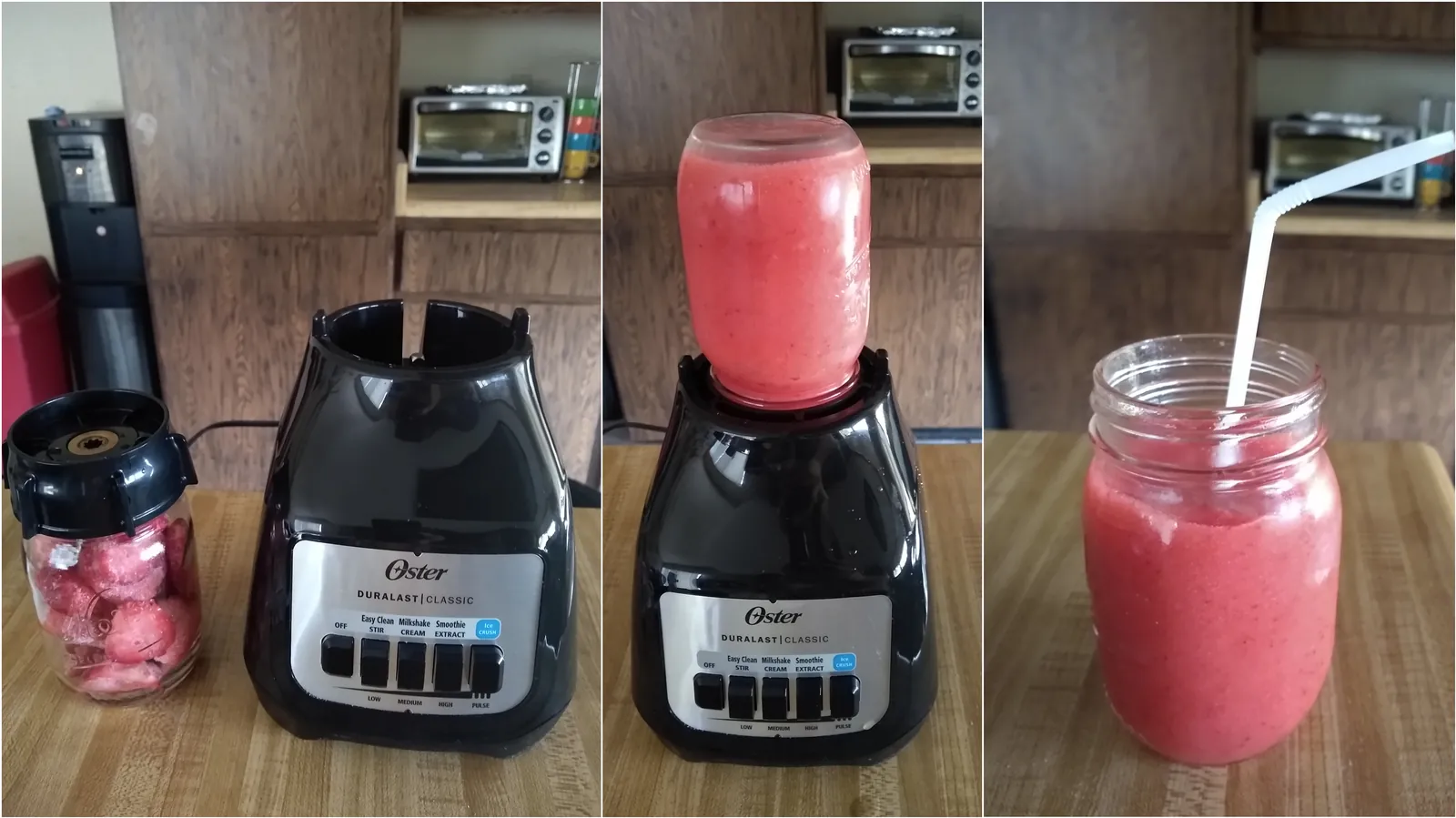
They load in layers, not in a pile
The order is liquid, soft items, greens, then frozen fruit. That’s not a rule someone made up — it’s about what the blade can reach. Blades sit at the bottom of the jar, so whatever touches them first gets pulled into the vortex. Liquid and soft fruit move easily; frozen chunks don’t. Put the frozen fruit on top and gravity feeds it down as the lower layers blend away.
Experienced users also leave the jar about one-third empty at the top. That headspace is what lets the mixture fold over instead of packing into a solid block.
They stop before the motor complains
A burning smell or a hot base means the motor is working past its limit. The fix is to stop, let it cool, and thin the mixture with 2 to 4 tablespoons of liquid. Running through the smell is how motors die early.
The other habit is pulsing. Short bursts of 2 seconds, repeated 5 or 6 times, break up frozen fruit without holding the motor under load. Once the big chunks are gone, switch to continuous HIGH for the last 30 seconds. That two-stage approach gives a smoother result than one long run, and it’s kinder to a lower-wattage base.
What goes wrong, and what to do
| What you notice | What it usually means | What to do first | How to stop it happening again |
|---|---|---|---|
| Blade spins, nothing moves | Too much frozen fruit, too little liquid | Add ¼ cup liquid, pulse 5 times | Liquid in first, always |
| Smoothie is lumpy | Blend time too short | Run HIGH 20 more seconds | Blend full 45 to 60 seconds |
| Motor smells hot | Load too thick for the wattage | Stop, cool 10 minutes, thin it | Cut frozen fruit by half |
| Liquid leaks at the jar base | Blade assembly not tight | Empty, reseat, tighten by hand | Check the seal before each use |
| Jar walks on the counter | Jar not seated flat | Lift off and reseat | Press a corner to test for rocking |
| Greens stay whole | Added after the frozen fruit | Scrape down, blend 30 seconds | Greens go in before frozen fruit |
| Smoothie is warm | Long blend at high speed | Shorten to 45 seconds | Use frozen fruit, not ice, to chill |
The rules that apply to your Oster
Oster publishes a use-and-care manual for every model, and that manual is the authority here, not this page. It lists the jar’s maximum capacity, the speeds, and what the warranty covers. Find your model number on the label under the base, then look it up on Oster’s own site.
Two limits matter most. First, never fill past the top marked line on the jar — overfilling is a common cause of leaks and motor strain, and it isn’t covered by warranty. Second, never put the base, the cord, or the blade assembly in water. The jar and lid are usually top-rack dishwasher safe, but the blade assembly and base are hand-wash only. Check your manual, because this varies by model.
If your blender needs a new blade assembly or a motor repair, that’s beyond a home fix. Contact Oster support or a qualified appliance technician.
What a smoothie habit actually costs
The blender is the one-time cost, and Oster’s basic models sit at the lower end of the countertop blender market. Check Oster’s site or a retailer for today’s price, because it moves with sales and model. A replacement jar or blade assembly costs less than a new base, so it’s worth pricing before you replace the whole machine.
The ongoing cost is the fruit. Frozen fruit runs cheaper than fresh out of season and lasts longer in the freezer, which is why most smoothie routines lean on it. A bag of frozen berries makes several smoothies, so the per-drink cost is low.
The hidden cost is time and waste. A smoothie takes about 2 minutes from fridge to glass once you know the order. The waste comes from overfilling — a stalled blender means you either thin the drink or throw it out. Keeping the load to two-thirds of the jar saves more than any coupon.
Keeping your Oster ready for the next one
Rinse the jar right after you pour. Add 1 cup of warm water and a drop of dish soap, then run the blender on LOW for 10 seconds. That lifts most residue before it dries, and it takes less time than hand scrubbing later.
Take the blade assembly off and wash it by hand in warm soapy water. Food trapped under the seal is where smells start. Dry it fully before you screw it back on, because a wet seal can slip.
The sign your blender needs attention is a change in sound — a rattle, a grind, or a slower spin than usual. Stop using it and check the blade assembly first. If the sound continues with a correctly seated jar and blade, that’s technician territory, not a home fix.
When an Oster blender is the wrong tool
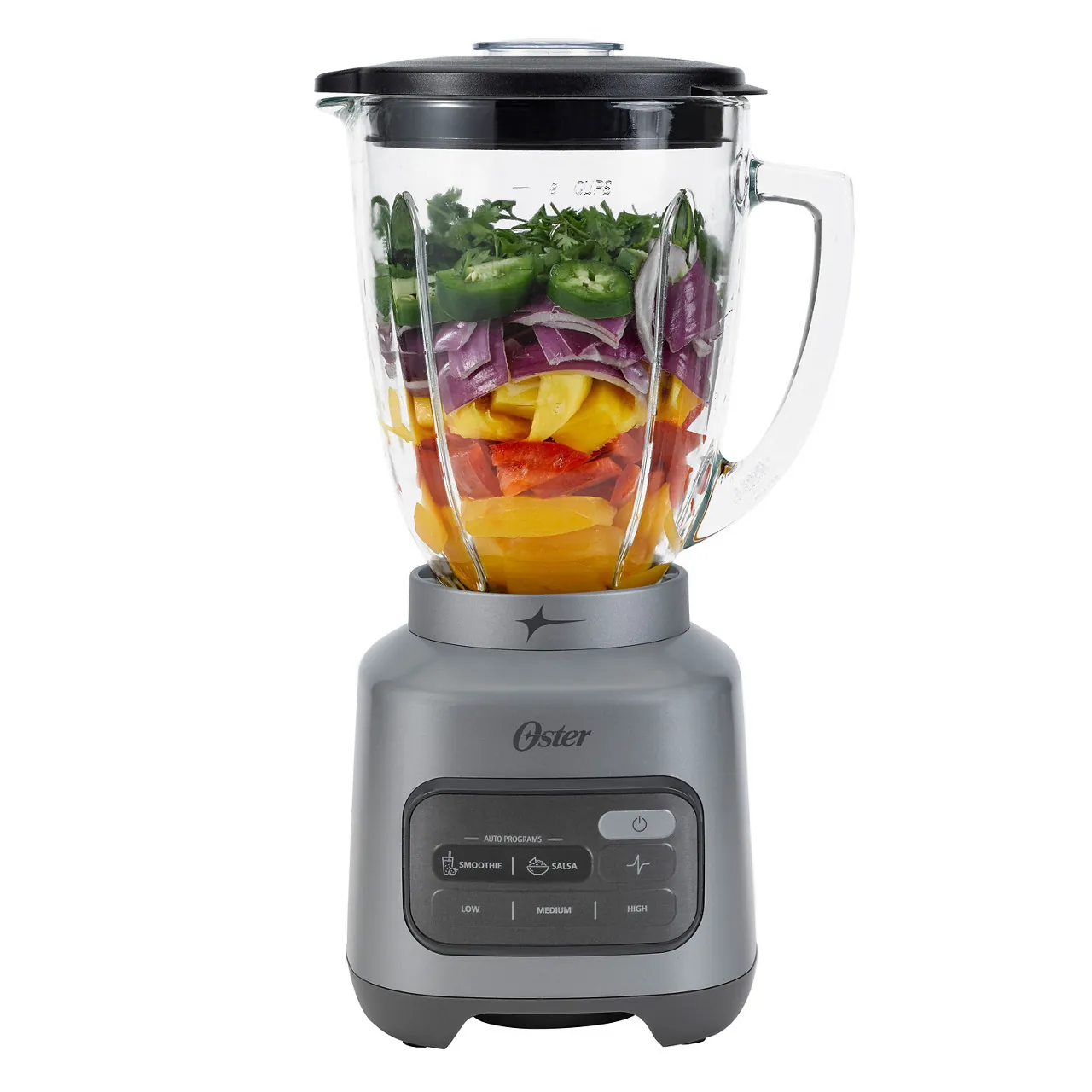
An Oster is the wrong choice if you’re blending frozen fruit every single day. Daily frozen loads on a low-wattage base wear the motor faster, and a higher-power blender built for that job will last longer. If frozen fruit is your default, look at a machine rated for it.
It’s also wrong if you need a completely smooth texture from tough ingredients like raw kale stems, whole nuts, or frozen mango chunks. A basic Oster leaves flecks. A high-power blender handles those in seconds.
And it’s the wrong tool for anything that isn’t food. Don’t use a kitchen blender for paint, resin, or craft materials. Those can damage the jar and void the warranty, and some carry real health risks. If you need to mix those, get equipment made for it.
Frequently asked questions
How long do you blend a smoothie in an Oster blender?
45 to 60 seconds on HIGH for a standard 6-cup jar with up to 2 cups of frozen fruit. A 1,000-watt model is done closer to 45 seconds; a 250-watt base needs the full 60. Stop once at 30 seconds to scrape down the sides.
Can you put frozen fruit in an Oster blender?
Yes, up to about 2 cups in a 6-cup jar. Add 1 cup of liquid first so the blades have something to grab, then start on LOW for 10 seconds before switching to HIGH. More frozen fruit than that stalls the blade and strains the motor.
Why is my Oster blender not blending my smoothie?
The load is usually too thick or too frozen for the blade to pull down. Add ¼ cup of liquid and pulse 5 times. If it still won’t move, the jar may be overfilled — take some out and try again.
Is it safe to put the Oster jar in the dishwasher?
The jar and lid are usually top-rack dishwasher safe, but the blade assembly and the base are not. Wash those by hand in warm soapy water. Check your model’s manual on Oster’s site, because this varies between models.
What order do you put ingredients in an Oster blender?
Liquid first, then soft items like banana or yogurt, then greens, then frozen fruit or ice on top. The blades sit at the bottom, so the liquid layer is what starts the vortex and pulls everything else down.
Can you make a smoothie in an Oster personal cup?
Yes, but halve the frozen fruit and add extra liquid. Personal cups hold less than a full jar, so a standard recipe overfills them and the blade stalls. Blend 45 seconds and shake the cup once partway through.
Why does my smoothie taste warm?
Long blending at high speed creates heat through friction. Keep the run to 45 to 60 seconds, and use frozen fruit instead of ice to chill the drink. If it’s still warm, your blend time is too long for the load.
What happens if you overfill an Oster blender?
The blade can’t pull the load down, so you get unblended pockets and extra strain on the motor. Liquid can also leak past the lid. Fill the jar no more than two-thirds full once everything is in.
Start with one smoothie tonight
Make your first one with 1 cup of milk, 1 banana, and 1 cup of frozen berries in a 6-cup jar. Blend LOW for 10 seconds, then HIGH for 45. You’ll get a smooth drink that slides when you tip the jar — that’s your sign it worked.
If you hear grinding, smell burning, or the blade spins with nothing moving after two tries, stop and take it to a technician.
The order matters more than the timing. Milk goes in first, then the banana, then the frozen berries on top. Liquid at the bottom lets the blade catch it right away. Fruit packed at the top falls down into the pull as it blends.
Frozen fruit is what makes it thick. Fresh berries alone give you something closer to juice, so keep a bag of frozen ones in the freezer and skip the ice. Ice waters it down and makes the blade rattle.
One jar is one serving. If you want two, blend them one after the other rather than doubling everything at once — a full jar is where most of these motors give out.